
Search
Showing results for "clinical trials"
Improved frequency of sensor use improves glycaemic control
The objective of this study was to determine whether real-time continuous glucose monitoring (CGM) with preset alarms at specific glucose levels would prove...
clinical psychologist
The Opportunity Led by Professor Andrew Whitehouse, the Autism Research Team, based at The Kids Research Institute Australia, are international
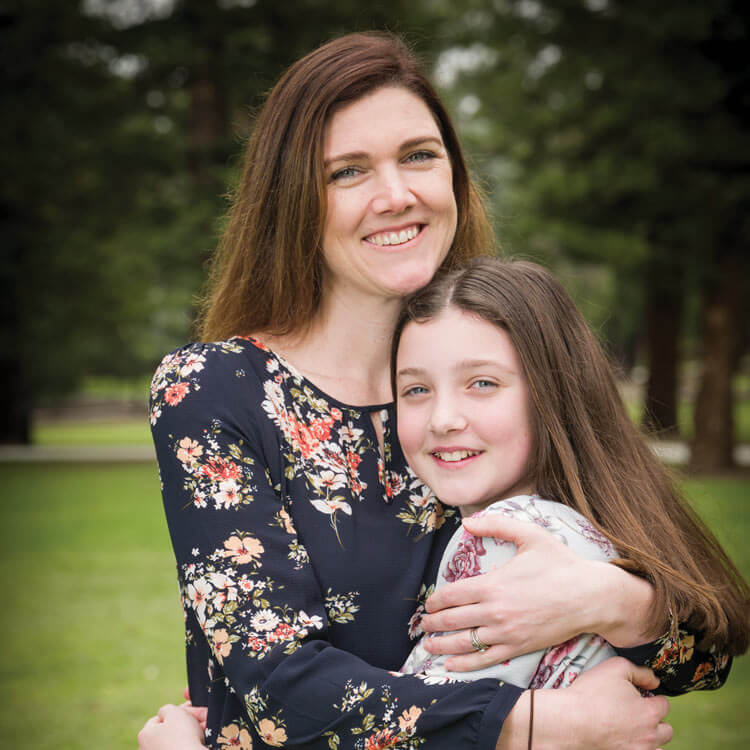
For the parent of a child living with diabetes, sleep no longer represents the relaxing slumber that it used to.
This is the first comprehensive study of maturity-onset diabetes of the young variants in an unselected population-based pediatric diabetes cohort
On this Research Impact page, we list stories helping demonstrate how we collaborate with other leaders, innovators, communities, and international stakeholders to ensure excellent research results. The better our results, the better the chances of research making a real difference.
Our findings demonstrate that Ultra-High-Risk groups evidence a similar clinical risk profile when we expand this beyond transition to psychosis
Much information exists about functions of the human placenta and about potential mechanisms by which the placenta may influence human health or disease...

Illuminate PitchFest is back! We are excited to introduce you to 10 trailblazing researchers who will be taking to the stage this February to pitch their bold and bright ideas.