
Search
Showing results for "early lung health"
A ground breaking study of WA 5-year olds has found that more than a quarter of the children have developmental difficulties that could have life-long impacts.
Senior Research Officer - Brain and Behaviour
This study aimed to examine the pattern of stillbirth and neonatal mortality rate disparities over time in Western Australia
Experimental studies show a substantial contribution of early life environment to obesity risk through epigenetic processes.
Ruth Elke Peter Thornton Seppanen Richmond PhD BSc PhD MBBS MRCP(UK) FRACP Co-head, Bacterial Respiratory Infectious Disease Group (BRIDG) Program
Non-communicable diseases (NCDs) pose the greatest threat to human health globally. The dramatic rise in early onset NCDs - such as childhood obesity, the allergy epidemic and an increasing burden of mental ill health in children and youth - reflect the profound early impact of modern environments on developing systems.
The neonatal skin is central to early survival and immune development. Far from being a passive mechanical barrier, it integrates physical, chemical, and microbial defences that together protect the infant in the immediate postnatal period. In preterm infants, structural immaturity, reduced antimicrobial capacity, and altered microbial colonisation confer heightened vulnerability to infection and inflammation.
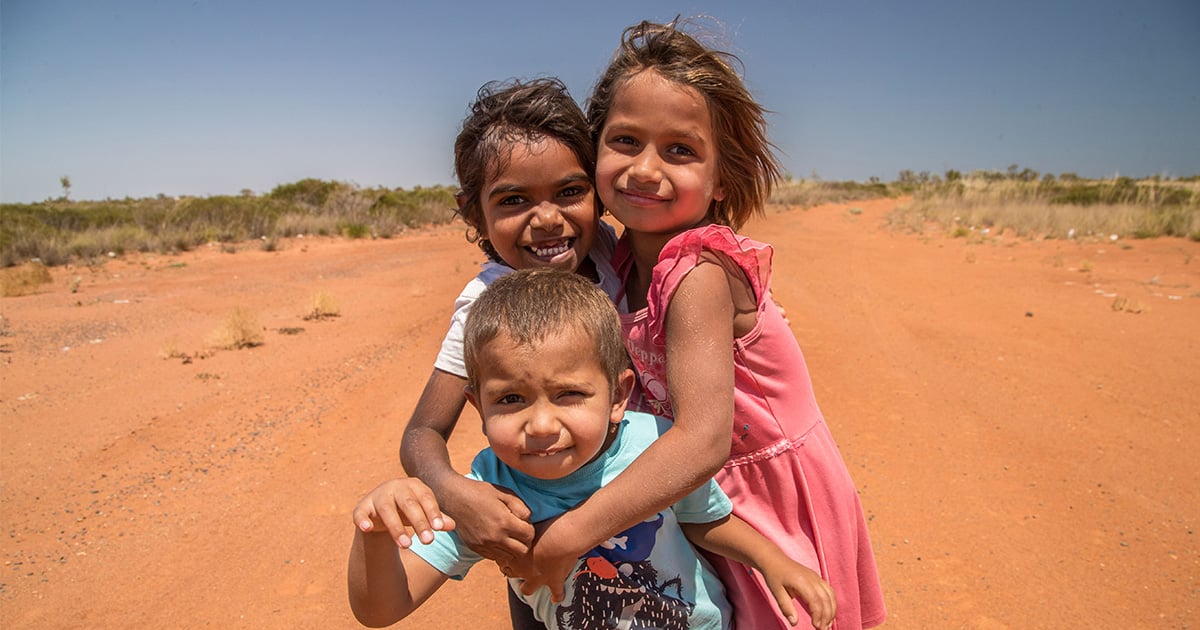
Early in the consultation phase of the project, local Elders through Hedland Aboriginal Strong Leaders, education representatives and others identified that vulnerable families needed help navigating and accessing local support services that were already available in Port Hedland.

Access world-leading evidence from Australia’s largest longitudinal birth cohort study, uncovering how early environments influence the development of chronic disease across a generation.
To examine whether maternal gestational hypertension and preeclampsia are associated with behavioral problems in offspring