
Search
Showing results for "aboriginal respiratory"
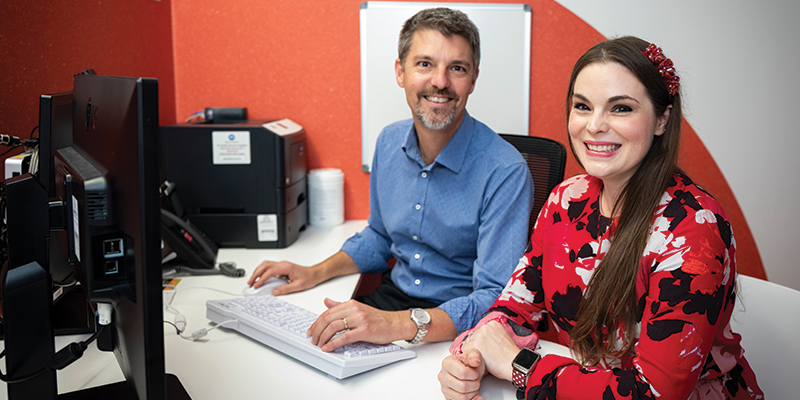
One of the biggest problems facing young people with neuromuscular disorders is the risk of breathing problems caused by muscle weakness during sleep.
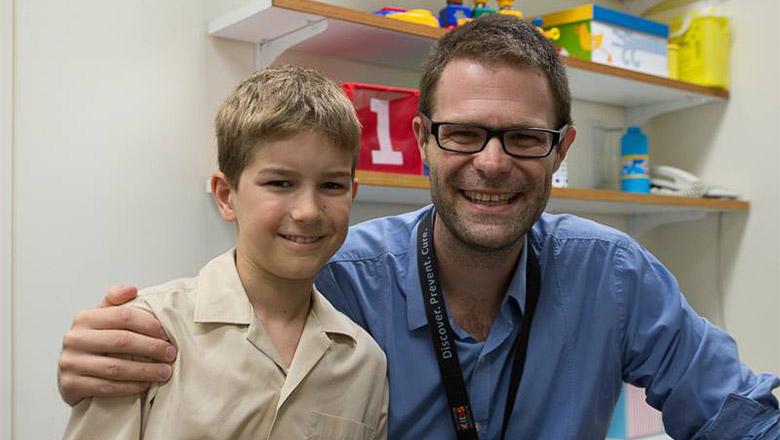
Ten year old Scott has been walking for Telethon since he was four years old and he's now raised a massive $100 thousand for Telethon.
Christopher Blyth MBBS (Hons) DCH FRACP FRCPA PhD Centre Head, Wesfarmers Centre of Vaccines and Infectious Diseases; Co-Head, Infectious Diseases
Pregnant women are 3 times more likely to die from COVID-19 and over 7 times more likely to be admitted to an intensive care unit with influenza compared to non-pregnant women.
Christopher Jennifer Peter Blyth Kent Richmond MBBS (Hons) DCH FRACP FRCPA PhD RN MBBS MRCP(UK) FRACP Centre Head, Wesfarmers Centre of Vaccines and
From 1 January 2020 to 31 December 2021, thirty-eight institutions across Australia submitted data to the Australian Group on Antimicrobial Resistance (AGAR) from patients aged < 18 years (AGAR-Kids). Over the two years, 1,679 isolates were reported from 1,611 patients. This AGAR-Kids report aims to describe the population of children and adolescents with bacteraemia reported to AGAR and the proportion of resistant isolates.
Between January 2022 and December 2023, there were 1,827 bloodstream infection (BSI) isolates in 1,745 children and adolescents reported to the Australian Group on Antimicrobial Resistance (AGAR) surveillance outcome programs, with 40% of episodes in children aged < 12 months.
Rising proportions of antimicrobial resistance (AMR) have been observed in both Staphylococcus aureus and Enterococcus spp. isolates.
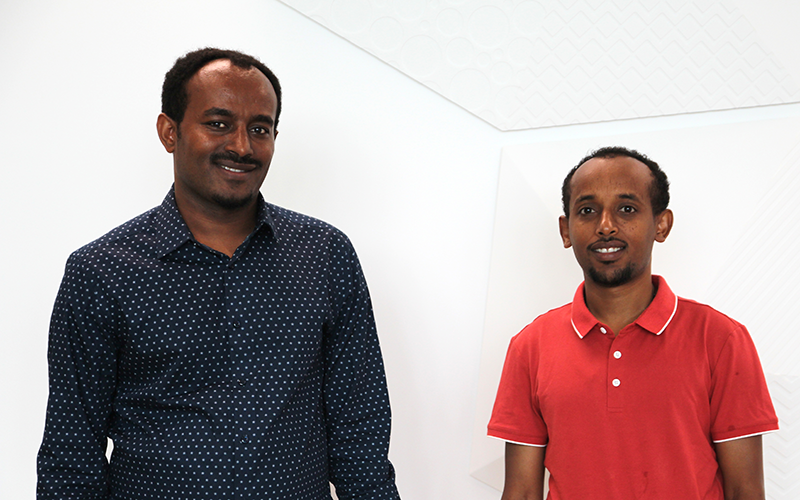
New research highlights the long-term physical health problems faced by people who survive drug-resistant tuberculosis (TB) .
Jeffrey Jonathan Judy Cannon Carapetis AM Katzenellenbogen BSc(Hons) BBus PhD AM MBBS FRACP FAFPHM PhD FAHMS BSc (Occ Ther) BSc Hons (Epidemiol) MSc