
Search
Showing results for "aboriginal respiratory"
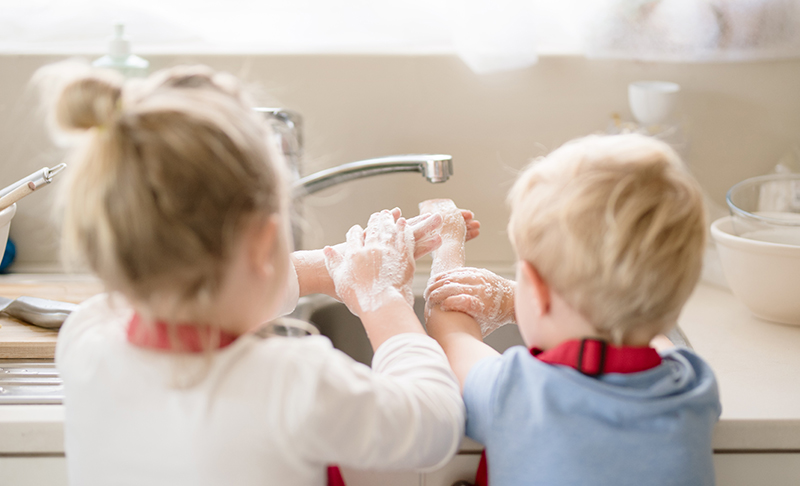
Comparatively few children have tested positive for coronavirus (COVID-19). Here’s what we know so far about how children are affected.
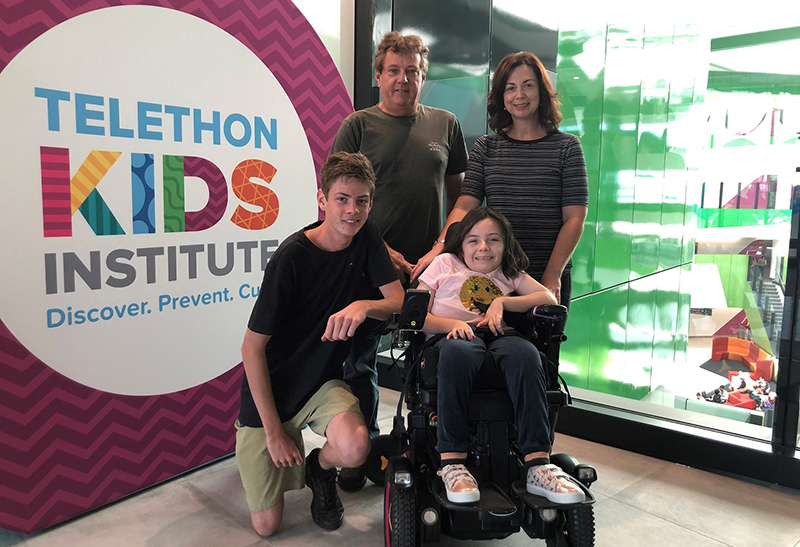
Mackenzie was 10 months old when her parents, Jodie and Scott, were given the life-changing news that their daughter would never walk.
Summarising the current knowledge of Strep A transmission to humans will address gaps in the evidence and inform prevention and control strategies. The objective of this study is to evaluate the modes of transmission and attack rates of group A streptococcal infection in human populations.
We found that algorithms reduced the amount of missing data and improved within‑individual consistency.
Apgar score, birth weight, sex, socioeconomic status, and maternal ethnicity, in addition to gestational age, have pronounced impacts on disability-free survival.
Scabies is one of the world’s most prevalent diseases, with approximately 147 million cases at any one time and an estimated annual incidence of 455 million new episodes. Although Group A streptococcal (GAS) pharyngitis has long been implicated in the pathogenesis of acute rheumatic fever (ARF) and subsequent rheumatic heart disease (RHD), impetigo caused by GAS has recently been postulated as a link between scabies and the pathogenesis of ARF.

The latest publications and resources from the END RHD CRE Team
Bacterial skin infections and scabies disproportionately affect children in resource-poor countries as well as underprivileged children in high-income countries. Atopic dermatitis is a common childhood dermatosis that predisposes to bacterial skin infection.
The impacts of the COVID-19 pandemic have been vast and are not limited to physical health. Many adolescents have experienced disruptions to daily life, including changes in their school routine and family’s financial or emotional security, potentially impacting their emotional wellbeing.
Daily physical activity is critical during the early years of life for facilitating children's health and development. A large proportion of preschool children do not achieve the recommended 3 h of daily physical activity. Early childhood education and care (ECEC) services are a key setting to intervene to increase physical activity. There is a significant need for ECEC specific physical activity policy, including clearer guidelines on the amount of physical activity children should do during care, and strategies for implementation of these guidelines.