
Search
Showing results for "early lung health"
Self-regulation is a modifiable protective factor for lifespan mental and physical health outcomes. Early caregiver-mediated interventions to promote infant and child regulatory outcomes prevent long-term developmental, emotional and behavioural difficulties and improve outcomes such as school readiness, educational achievement and economic success. To harness the population health promise of these programmes, there is a need for more nuanced understanding of the impact of these interventions.
To investigate the association between energy drink (ED) use and sleep-related disturbances in a population-based sample of young adults from the Raine Study.
There is controversy regarding whether cystic fibrosis (CF) airway epithelial cells (AECs) are intrinsically proinflammatory.
Caregivers play a crucial role in supporting the development of their children's emotion regulation. This study validated the Parental Assistance with Child Emotion Regulation (PACER) Questionnaire in a sample of 491 caregivers of young children ≤ 5 years.
Previous meta-analyses have found higher self-compassion is associated with lower anxiety and depression. The aim of this study was to investigate the efficacy of self-compassion as an active ingredient in the treatment and prevention of anxiety and depression in youth. This was conducted through (i) a systematic review of the literature and (ii) qualitative consultation with young people and researchers in self-compassion.
In this project, we aim to understand how mindfulness, compassion, and related constructs are experienced by Aboriginal people in the Kimberley region of Western Australia.
Dysregulated expression of IFN-dependent pathways after respiratory viral infections is a defining immunophenotypic feature of AVB-susceptible infants

The Rio Tinto Children's Diabetes Centre; a Breakthrough T1D Centre of Excellence is excited the announce the latest round of seed funding recipients.
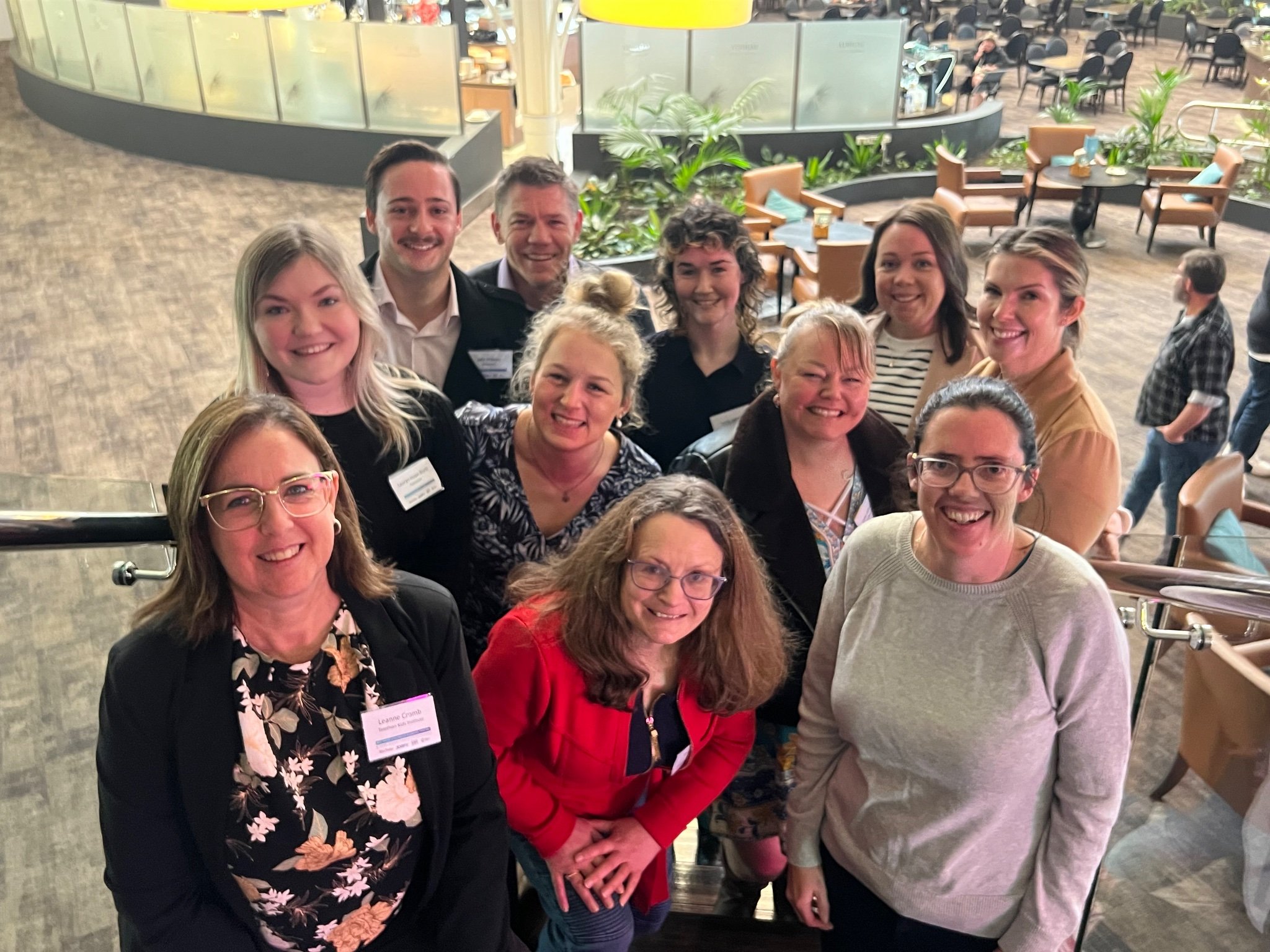
What the national committee have been working on
The aim of this project is to evaluate the efficacy of childcare centre based interventions to increase young children’s physical activity.