
Search
Showing results for "aboriginal respiratory"
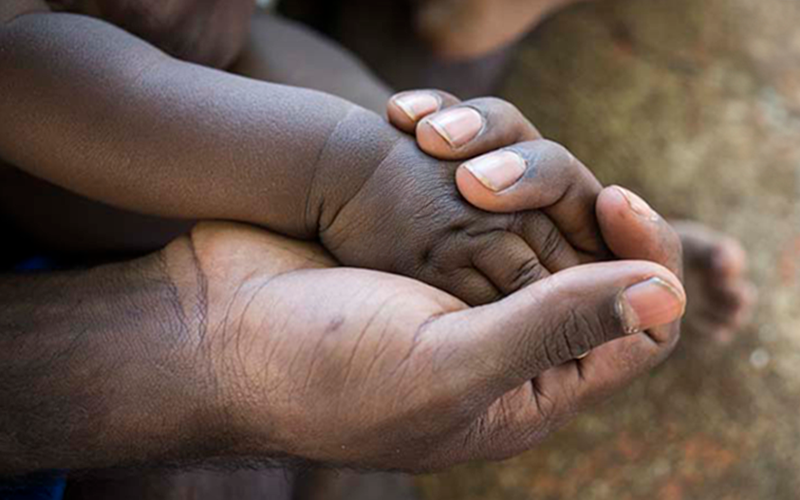
Experts are warning Aboriginal parents in Western Australia with newborn babies to be vigilant about Respiratory Syncytial Virus (RSV) as winter progresses.
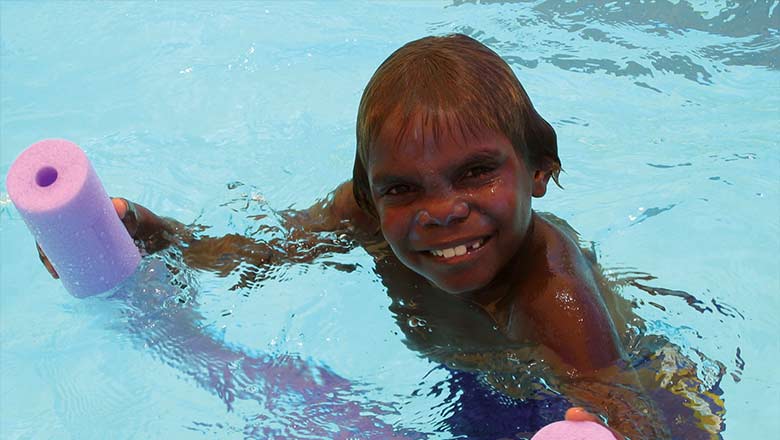
A comprehensive study into the impact of swimming pools in remote Aboriginal communities has found significant health and social benefits for children.
Australian Aboriginal people have among the highest rates of invasive pneumococcal disease (IPD) worldwide. This paper investigates clinical diagnosis, risk...
Nontypeable Haemophilus influenzae (NTHI) strains are responsible for respiratory-related infections which cause a significant burden of disease in...
Streptococcus pneumoniae (Pnc), nontypeable Haemophilus influenzae (NTHi) and Moraxella catarrhalis (Mcat) are the most important bacterial pathogens...
Our findings highlight the need to consider age, ethnicity, seasonality and climate when evaluating rotavirus vaccine programs.
The link between respiratory and vascular health is well documented in adult populations. Impaired lung function is consistently associated with thicker arteries and higher incidence of cardiovascular disease. However, there are limited data on this relationship in young children and the studies that exist have focussed on populations at high risk of cardiorespiratory morbidity.
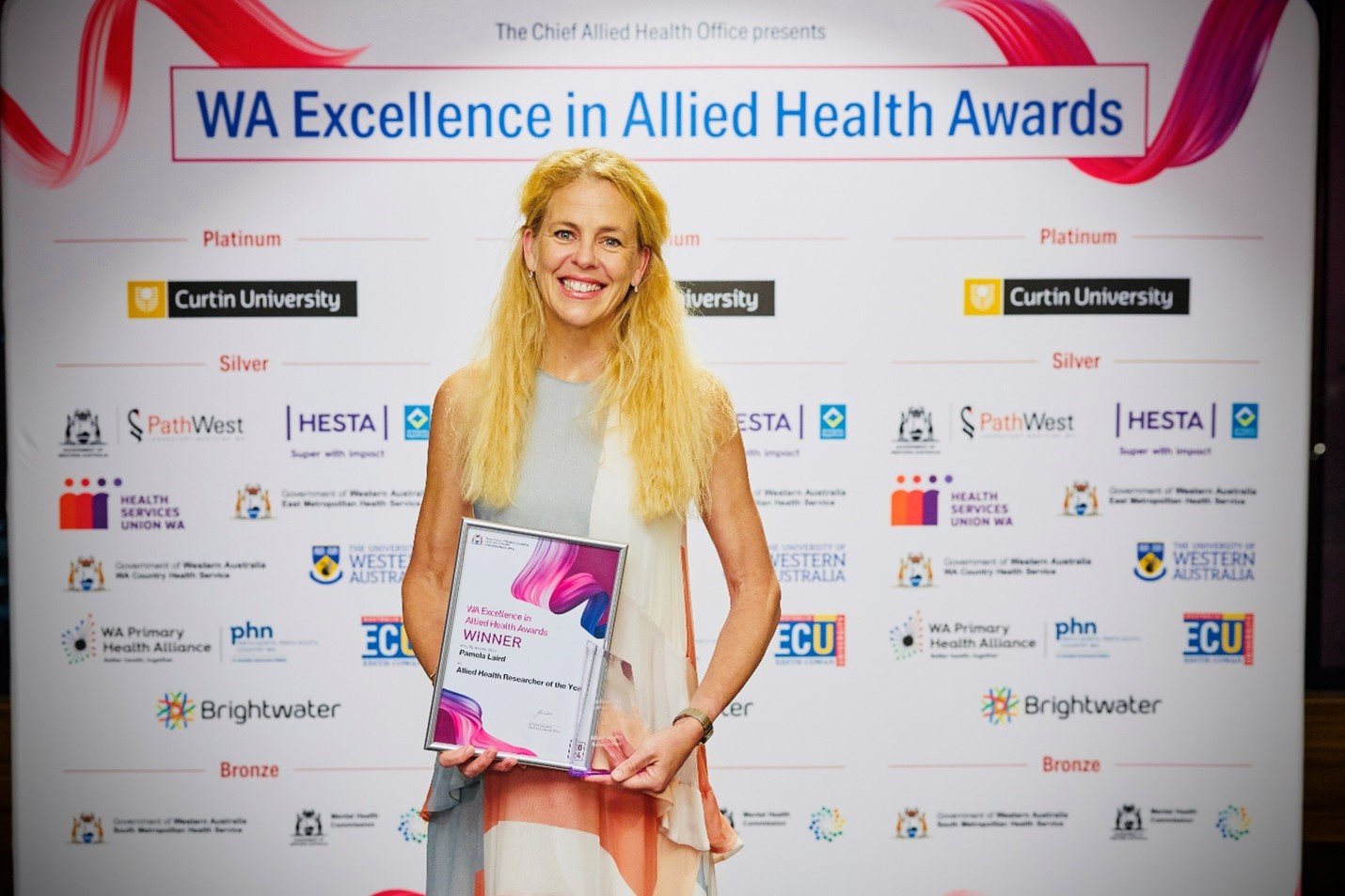
Congratulations to respiratory health clinician-researcher Dr Pamela Laird, who has won Allied Health Researcher of the Year at the WA Excellence in Allied Health Awards.
We have quantified the relative influence of perinatal risk factors associated with skin infection hospitalisations in WA children
To determine the frequency of protracted bacterial bronchitis (PBB) in children referred to tertiary care with chronic cough and describe management prior to referral. A retrospective cohort study of all new patients with a history of ≥4 weeks of cough seen at the only tertiary paediatric outpatient respiratory service in Western Australia.