
Search
Showing results for "mental health aboriginal"
Support our best and brightest at the most pivotal time in their careers.
Your presence connects brilliant minds with the support they need to fuel bold ideas.
The World Health Organisation resolution for global action to tackle rheumatic heart disease (RHD) will have significant implications for Australia, which has some of the highest rates of the disease in the world.
RHD Action is the name given to the global movement to reduce the burden of rheumatic heart disease (RHD) in vulnerable populations of all ages throughout the world.
This study investigated whether the timing of birth of the younger siblings was associated with the risk of the older siblings’ developmental vulnerability in early childhood.
Research by The Kids Research Institute Australia shows a link between low vitamin D during pregnancy and post-natal depression.
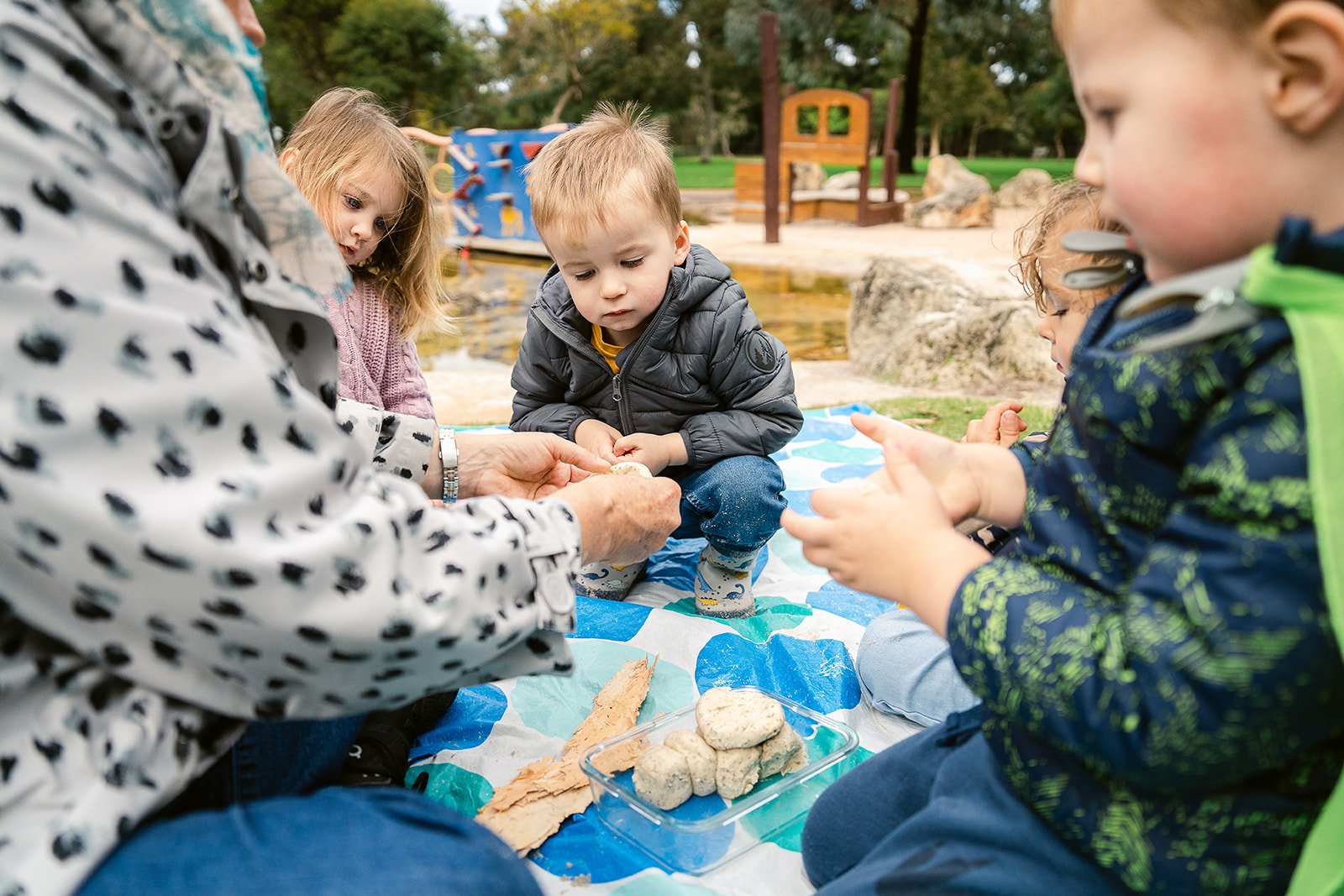
A pilot program, teaching families how to 'play' in nature, has been shown to be effective in helping families unlock the mental and physical health benefits of connecting with nature and community through outdoor play, easily, and locally.
Group A Streptococcus (GAS) causes pharyngitis (sore throat) and impetigo (skin sores) GAS pharyngitis triggers rheumatic fever (RF) with epidemiological evidence supporting that GAS impetigo may also trigger RF in Australian Aboriginal children. Understanding the concurrent burden of these superficial GAS infections is critical to RF prevention. This pilot study aimed to trial tools for concurrent surveillance of sore throats and skins sore for contemporary studies of RF pathogenesis including development of a sore throat checklist for Aboriginal families and pharynx photography.
Skin infections are a significant cause of severe disease, requiring hospitalization in Western Australian children, particularly with Aboriginal children
The high burden of infectious disease and associated antimicrobial use likely contribute to the emergence of antimicrobial resistance in remote Australian Aboriginal communities. We aimed to develop and apply context-specific tools to audit antimicrobial use in the remote primary healthcare setting.