
Search
Showing results for "1"
The pathogenesis of acute rheumatic fever (ARF) is poorly understood, limiting the development of immune-modulating therapies to treat disease and prevent progressive heart damage. Here, participants with definite ARF were compared to other severe acute paediatric conditions and matched healthy controls by profiling circulating immune molecules and cells to inform disease mechanisms and potential druggable pathways.
Inadequate housing and living conditions underpin significant health and wellbeing inequality in Australia, particularly for Indigenous people. This review aimed to define infectious disease (ID) outcomes used to measure the health impact of inadequate housing in Australia within a research context.
Many children and their families, especially those from priority populations, experience barriers to accessing high-quality early childhood health, education, social and legal services. Further, these families are often under-represented in service planning and research; hence innovations are not designed to meet their needs. Our aim is to codesign with families and the wider community, a Strength-based, Tiered, Accessible Resources and Supports for Kids (STARS for Kids) programme to optimise child development, parental mental well-being, and family psychosocial needs in the first 2000 days from pregnancy to start of school
Intramuscular (IM) injection of benzathine benzylpenicillin G (BPG) forms the cornerstone of acute rheumatic fever (ARF) and rheumatic heart disease (RHD) secondary prophylaxis. BPG is available as either a low-cost powdered formulation or a costlier pre-filled suspension. Most of the global RHD burden lies in low- and middle-income countries, which rely on the powdered formulation.
At the American Society of Tropical Medicine and Hygiene (ASTMH) Annual Meetings in 2024 and 2025, our team convened stakeholder engagement sessions on next-generation malaria vaccines.
CDKL5 Deficiency Disorder (CDD) is a rare neurodevelopmental disorder characterised by early onset seizures combined with complex healthcare needs and developmental impairment that influence functional domains including communication. Communication is a high priority domain for families but currently used measures demonstrate floor effects.
High-grade glioma (HGG) cells reactivate neurodevelopmental programs regulated by ion channels to drive tumor progression. The activity of voltage-gated sodium channels (VGSCs) is fundamental to development, a target of blood-brain barrier (BBB)-permeable FDA-approved drugs, and aids tumor advancement in several cancers. However, the contribution of VGSC activity to HGG pathology remains unknown.
Sleep disturbance is a common and significant issue for individuals with CDKL5 Deficiency Disorder (CDD) and their families. The study aimed to investigate experiences of sleep disturbance in CDD and associated factors.
Pneumonia remains a leading cause of hospitalization and death among young children worldwide, and the diagnostic challenge of differentiating bacterial from non-bacterial pneumonia is the main driver of antibiotic use for treating pneumonia in children. Causal Bayesian networks (BNs) serve as powerful tools for this problem as they provide clear maps of probabilistic relationships between variables and produce results in an explainable way by incorporating both domain expert knowledge and numerical data.
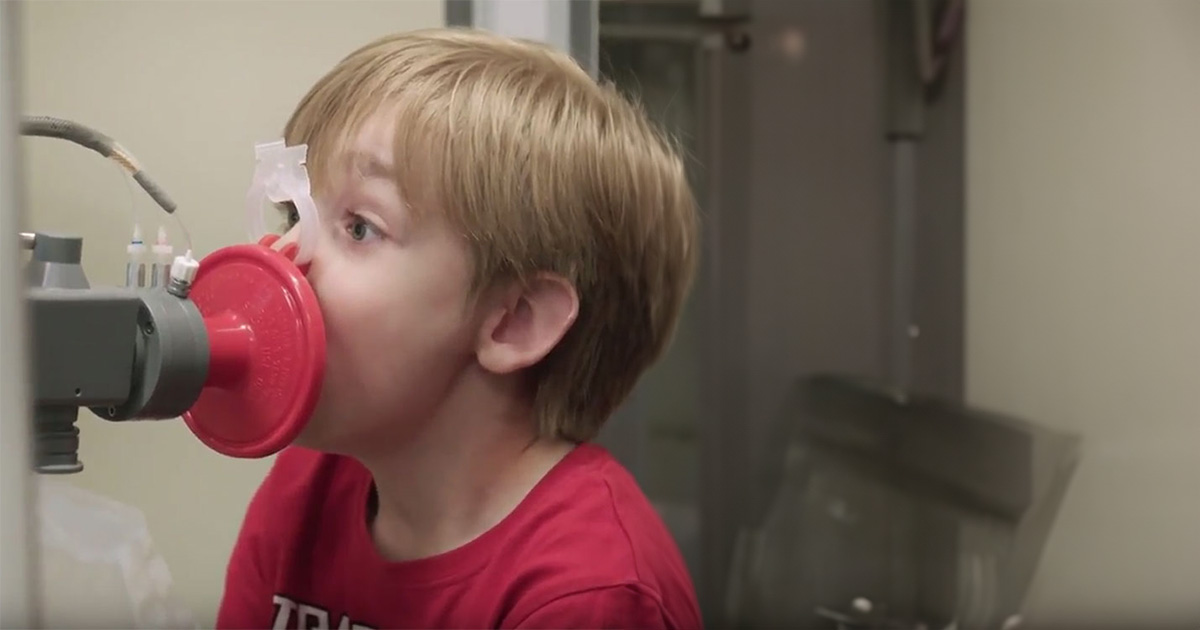
Children who live in the outer suburbs of Australia’s four biggest cities are twice as likely to have asthma as those living in inner city areas, according to a new study based on health data captured in the last Australian Census.