
Search
Showing results for "1"
The bone marrow microenvironment plays a key role in leukemia progression, but its molecular complexity in pre-B cell acute lymphoblastic leukemia (B-ALL), the most common cancer in children, remains poorly understood. To gain further insight, we used single-cell RNA sequencing to characterize the kinetics of the murine BMM during B-ALL progression.
The bone marrow microenvironment (BMM) plays a key role in leukemia progression, but its molecular complexity in pre-B cell acute lymphoblastic leukemia (B-ALL), the most common cancer in children, remains poorly understood. To gain further insight, we used single-cell RNA sequencing to characterize the kinetics of the murine BMM during B-ALL progression.
Pets may protect children from developing social-emotional problems and should be taken into account when assessing child development and school readiness
Apgar score, birth weight, sex, socioeconomic status, and maternal ethnicity, in addition to gestational age, have pronounced impacts on disability-free survival.
Our findings illustrate the vulnerabilities of children born to foreign women from low and middle-income countries
Rheumatic heart disease (RHD) after group A streptococcus (GAS) infections is heritable and prevalent in Indigenous populations. Molecular mimicry between human and GAS proteins triggers proinflammatory cardiac valve-reactive T cells.
All children who are receiving therapy for cancer should receive a single dose of PCV13 as soon as possible after diagnosis, regardless of prior PCV exposure.

Four The Kids Research Institute Australia researchers have received prestigious fellowships and four significant cohort studies led or co-led by The Kids have received key grants under two new funding programs supported by the State Government’s Future Health Research and Innovation (FHRI) Fund.
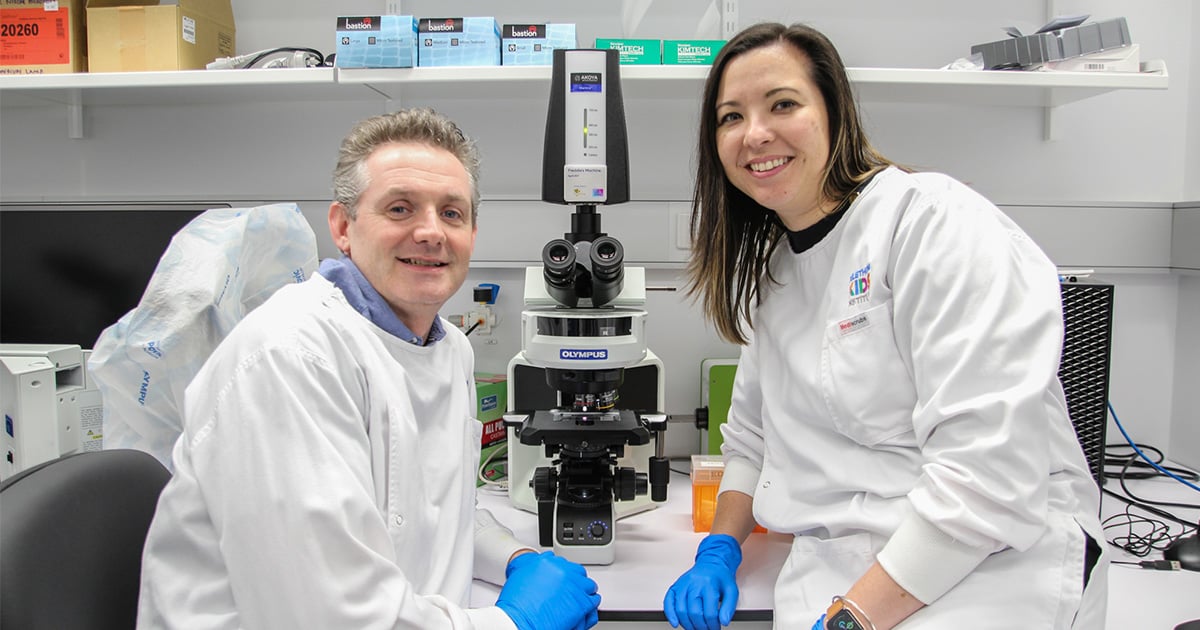
The WA Kids Cancer Centre has secured $1.1 million in funding from the Medical Research Future Fund’s (MRFF) Paediatric Brain Cancer Research Stream 2 to develop more effective and less toxic treatments for rare brain cancers in infants.
The Kids Research Institute Australia and The University of Western Australia researchers have been awarded more than $1 million in funding from Healthway, for projects to improve the mental health of LGBTQA+ young people, encourage early physical activity in childcare centres and create healthier local environme