
Search
Showing results for "1"
PICOBOO is a randomised, adaptive trial evaluating the immunogenicity and reactogenicity of licensed COVID-19 booster vaccines in immunocompetent individuals >12 years old. Here, we present data for seven different vaccines among three pre-specified participant strata defined by age and primary vaccine schedule.
Skin infections affect physical health and, through stigma, social-emotional health. When untreated, they can cause life-threatening conditions. We aimed to assess the effect of a holistic, co-designed, region-wide skin control programme on the prevalence of impetigo.
Impact for Tourette’s is Australia’s first national project evaluating the unmet needs of people with Tourette syndrome and other tic conditions.
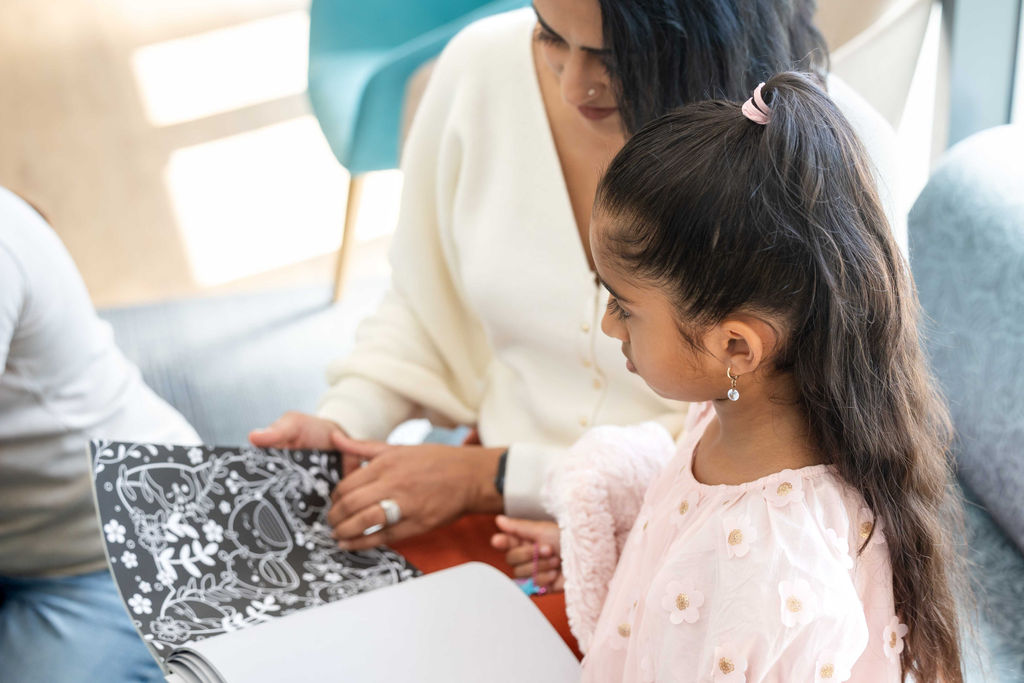
ORIGINS sub-projects are investigating the best way to provide support to new parents and positively influence the health and development of their children.
On this Research Impact page, we showcase real game-changers - research that changes the very way other scientists around the world think and approach challenges. The far-reaching impact on children and families for all the stories shown on these pages is both exciting and significant.
The Strep A Burden of Disease Working Group (BoDWG) was first established in 2020 through the Strep A Global Vaccine Consortium (SAVAC).
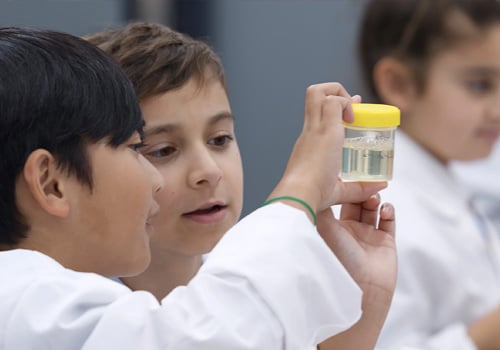
Everything you need to book an excursion for homeschool students at the The Kids Discovery Centre.
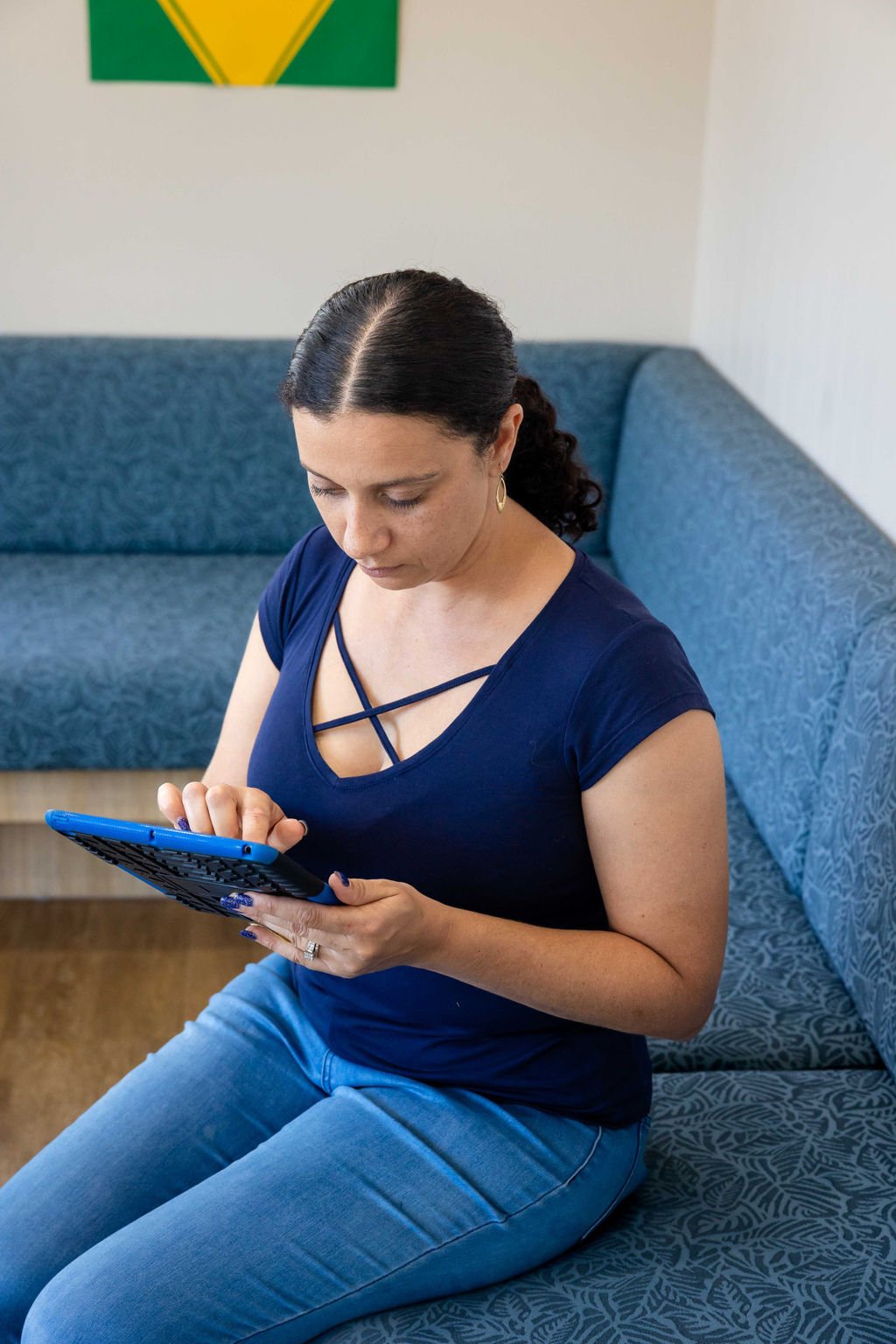
The impact of familial and childhood health conditions on health later in life.
Bullying is now regarded as a health problem and not just a disciplinary problem. Increasing evidence shows both traditional bullying (e.g. hitting, teasing) and cyberbullying have lasting effects on young people (both those who bully and those who are bullied), including damage to self-esteem, academic results and mental health.
On this Research Impact page, learn about our work that's actively translated as Government policy or in active practice. Learn how our research is making a difference in people's lives - not tomorrow, next week, or next year - but today!