
Search
Showing results for "1"
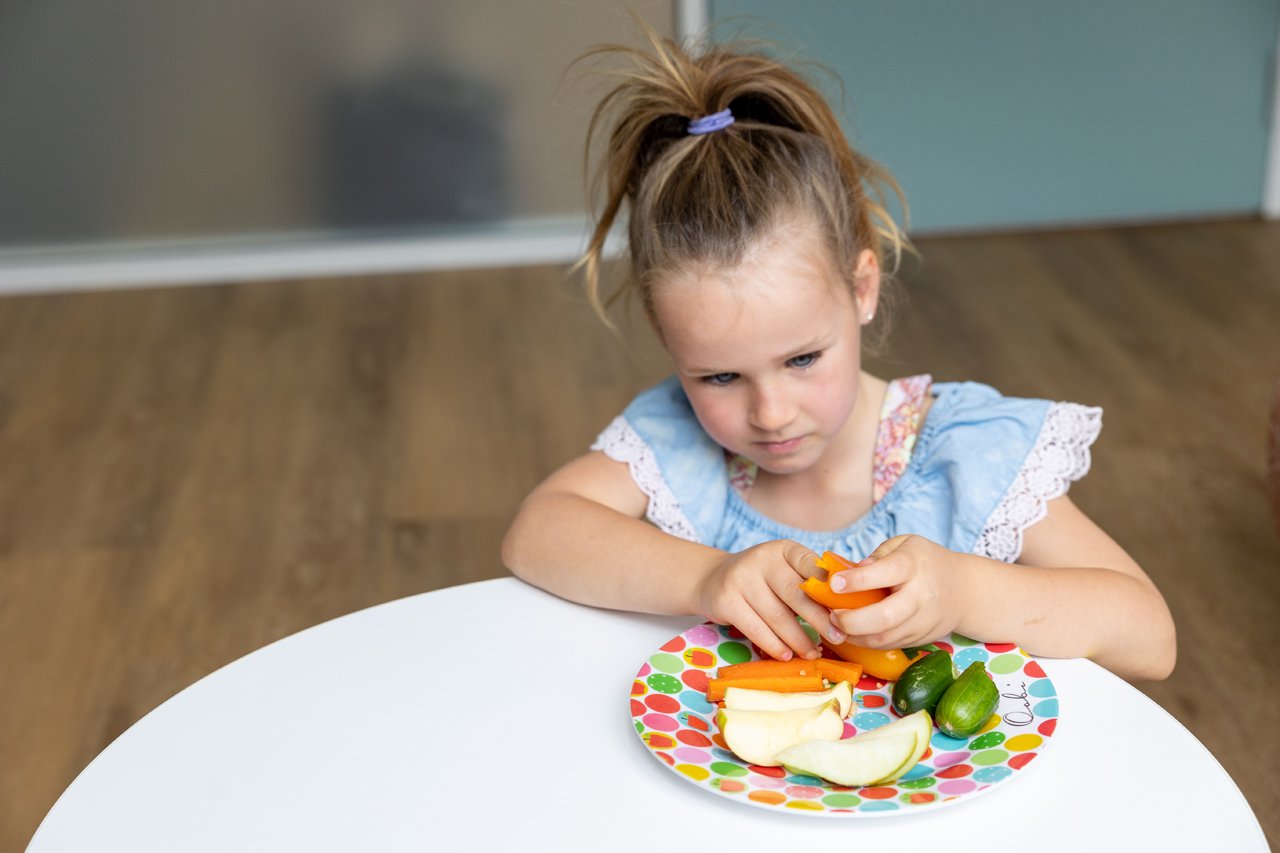
ORIGINS has a large number of sub-projects exploring the link between a mother's diet during pregnancy and health outcomes of the child. Projects also explore nutrition and eating habits during the early years as well as general gut health
Each day of school missed makes a difference, with the effect on learning accumulating over time. From an early age, if children are taught that they need to 'show up' for school and make a commitment, this positive mentality aids academic and career success and brings benefits in adulthood.
Group A Streptococcus (Strep A) causes a wide spectrum of diseases, ranging from pharyngitis and impetigo to severe invasive infections and immune-mediated conditions such as acute rheumatic fever, rheumatic heart disease and acute post-streptococcal glomerulonephritis. Contemporary data on the global burden of Strep A diseases are lacking.
Language is significant for communicating knowledge across cultures and generations and has the power to attribute meanings and alter our worldviews.
Rheumatic heart disease (RHD) is a long-term sequela of acute rheumatic fever (ARF), which classically begins after an untreated or undertreated infection caused by Streptococcus pyogenes (Strep A). RHD develops after the heart valves are permanently damaged due to ARF.
Mental health conditions and problems are often reported in children and adolescents with CP. A systematic review was undertaken to describe their prevalence.
Skin infection burden in remote Aboriginal communities can be reduced by the See, Treat, Prevent (SToP skin sores and scabies) trial
The Youth Safe Haven Project will co-design a youth-specific Safe Haven Café within the Peel Health Hub to serve as an alternative to the emergency department for young people at risk of suicide.
Protecting your privacy is important to us. This policy explains how The Kids Research Institute Australia collects, uses, and safeguards your personal information.
In partnership with local Aboriginal Community Controlled Health Organisations, the Elder-led co-designed Koolungar Moorditj Healthy Skin project is guided by principles of reciprocity, capacity building, respect, and community involvement. Through this work, the team of Elders, community members, clinicians and research staff have gained insight into the skin health needs of urban-living Aboriginal koolungar (children); and having identified a lack of targeted and culturally appropriate health literacy and health promotion resources on moorditj (strong) skin, prioritised development of community-created healthy skin resources.