
Search
Showing results for "1"
Acute rheumatic fever (ARF) is a multiorgan inflammatory disorder that results from the body's autoimmune response to pharyngitis or a skin infection caused by Streptococcus pyogenes (Strep A). Acute rheumatic fever mainly affects those in low- and middle-income nations, as well as in indigenous populations in wealthy nations, where initial Strep A infections may go undetected.
o help raise the profile of student wellbeing in the education system in Australia, The Kids Research Institute Australia and SA Department for Education through the Fraser Mustard Centre, set out to adapt and trial a population-level student wellbeing measure that could be used across the entire public and p
The PLAYCE Cohort was established to investigate how movement behaviours change over early to late childhood, across key behaviour settings and relationships with health and development
There are an estimated 5000 episodes per year of bloodstream infections due to Staphylococcus aureus (golden staph) in Australia and an associated mortality of 20%. Despite this, there is little clinical trials evidence to guide best management.
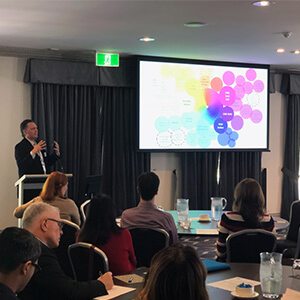
Between 3rd - 5th May 2018, researchers from Australia, New Zealand, South Africa, and the United States (representing their Uganda collaboration) convened in Fremantle, Western Australia to attend the Strep A Spectrum Meetings: from Science to Strategy.

The Early Years Systems Evidence (EYSE) team specialises in working in partnership with governments and service providers, with a distinct focus on improving the life chances of children in Australia.
Every child deserves the best possible start in life. Evidence demonstrates the period from pre-birth to three years is a vital period of development. It lays the foundations for a child’s future and has life-long impacts on health, education, job opportunities, social inclusion and wellbeing.
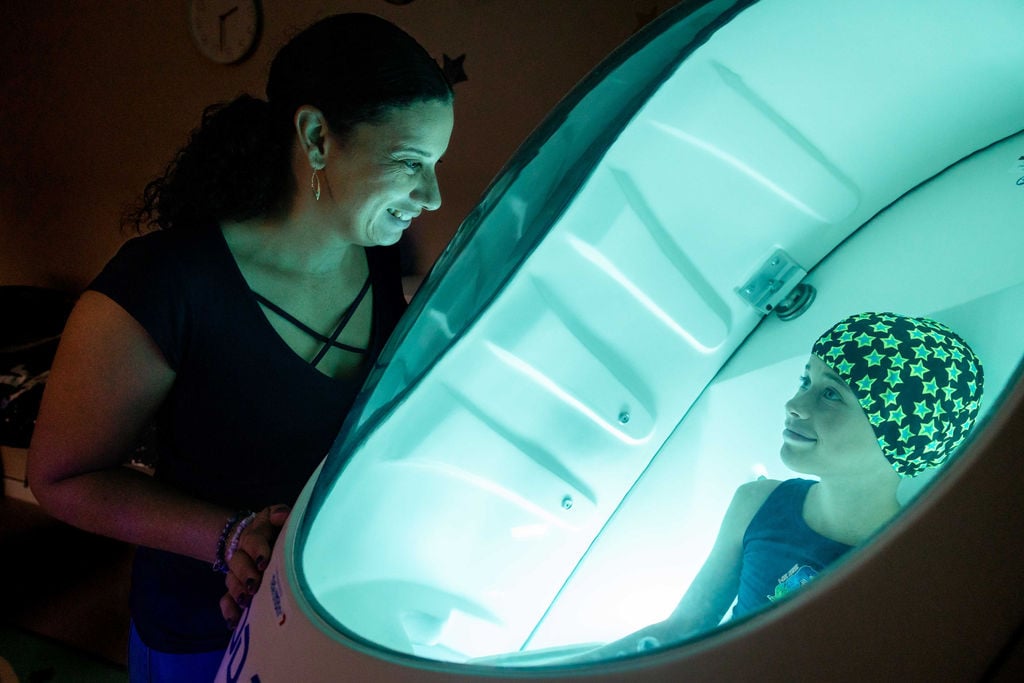
This research domain focuses on understanding how early biological and physical factors shape infant growth, body composition, and neurodevelopment from the earliest stages of life.
Despite the volume of accumulating knowledge from prospective Aboriginal cohort studies, longitudinal data describing developmental trajectories in health and well-being is limited.
According to the Young Minds Matter study, mental health disorders such as anxiety and depression are experienced by approximately one in seven or 560,000 young people in Australia. These disorders can often have a significant impact on children’s learning and development and on family life.