
Search
Showing results for "lung disease preterm"
On-time coverage of the 2-4-6 month schedule is only 50-60% across specific population subgroups representing a significant avoidable public health risk
The Australian Therapeutic Goods Administration approved the use of nirsevimab, a long-acting monoclonal antibody for the prevention of Respiratory Syncytial Virus (RSV), in November 2023. Western Australia (WA) implemented a combination of nirsevimab administration strategies designed to protect all infants starting in April 2024, before the epidemic season. We developed a dynamic transmission model to predict the impact of WA's RSV immunisation program on infant hospitalisations.
Rheumatic heart disease, a major cause of morbidity and mortality in low- and middle-income countries, results from acute rheumatic fever (ARF), for which no diagnostic test currently exists. The ARF Diagnosis Collaborative Network (ARC Network) was established to address this gap by recruiting a rigorously phenotyped, globally representative cohort of children and adolescents with ARF and controls to support biomarker discovery.
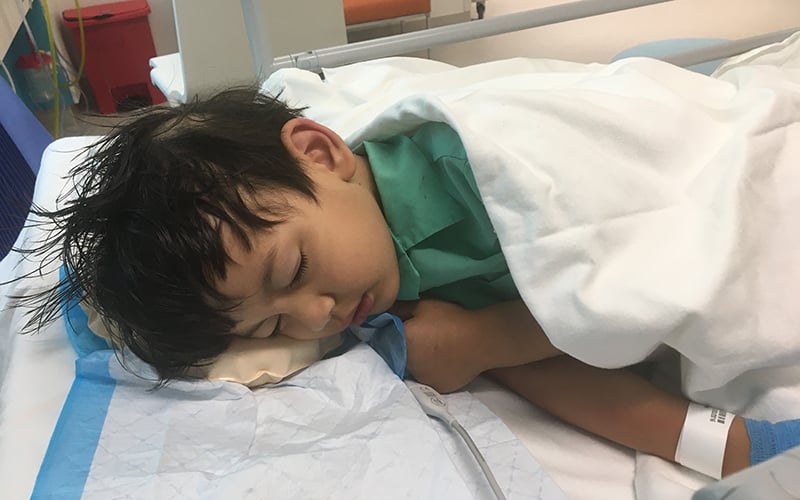
Charlie, 6, has ended up in hospital twice with invasive Strep A infection over his short lifetime – the first time when just three years old.
These summary measures can also be used to quantify the component of variation in epidemiology that is related to sociodemographic development.
There is a lack of data on the out-of-hospital burden of acute lower respiratory infections (ALRI) in developed countries.
Impetigo is a contagious skin disease caused by Staphylococcus aureus and Streptococcus pyogenes. Without treatment, impetigo may be recurrent, develop into severe disease, or have serious, life-threatening sequelae. Standard treatment consists of topical or systemic antibiotic therapy (depending on severity), however, due to antibiotic resistance some therapies are increasingly ineffective.
The dramatic rise in allergic disease has occurred in tandem with recent environmental changes and increasing indoor lifestyle culture. While multifactorial, one consistent allergy risk factor has been reduced sunlight exposure. However, vitamin D supplementation studies have been disappointing in preventing allergy, raising possible independent effects of ultraviolet (UV) light exposure.
There is a growing need for early biomarkers that may predict the development of atopic dermatitis (AD). As alterations in skin barrier may be a primary event in disease pathogenesis, epithelial cell (EC) cytokines expression patterns may be a potential biomarker in early life to target allergy preventive strategies towards "at-risk" infants. The aim of this longitudinal investigation was to examine from birth over the course of infancy levels of the EC cytokines: thymic stromal lymphopoietin (TSLP), interleukin (IL)-33, IL-25, and IL-17 in infants at high-risk of AD due to maternal atopy.
Detection of pneumonia-causing respiratory viruses in the nasopharynx of asymptomatic children has made their actual contribution to pneumonia unclear. We compared nasopharyngeal viral density between children with and without pneumonia to understand if viral density could be used to diagnose pneumonia.