
Search
Showing results for "aboriginal respiratory"
The Western Australian Aboriginal Child Health Survey is the most extensive survey of Aboriginal families ever undertaken.
Maternal mental disorders have been associated with adverse perinatal outcomes such as low birthweight and preterm birth, although these links have been examined rarely among Australian Aboriginal populations. We aimed to evaluate the association between maternal mental disorders and adverse perinatal outcomes among Aboriginal births.

Dr Alex Brown to take up a new appointment as Professor of Indigenous Genomics.
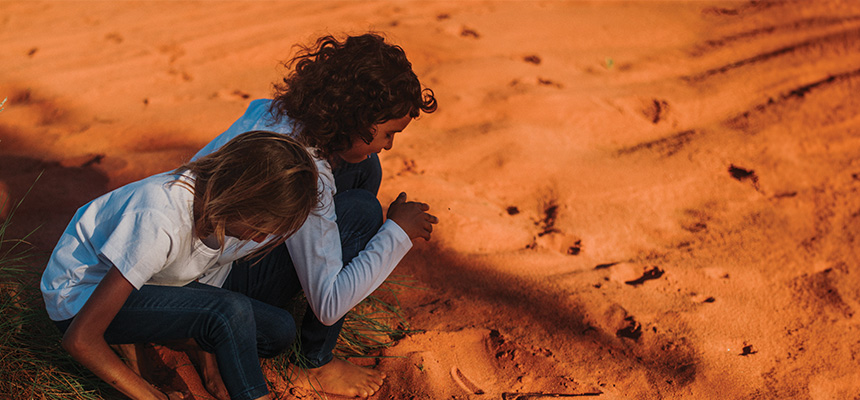
Aboriginal families and communities have endured the imposition of countless ‘solutions’ and had to live with the consequences of these ineffective initiatives. Those consequence are sadly evident in the unrelenting gap in outcomes for Aboriginal kids, compared with other Australian children.
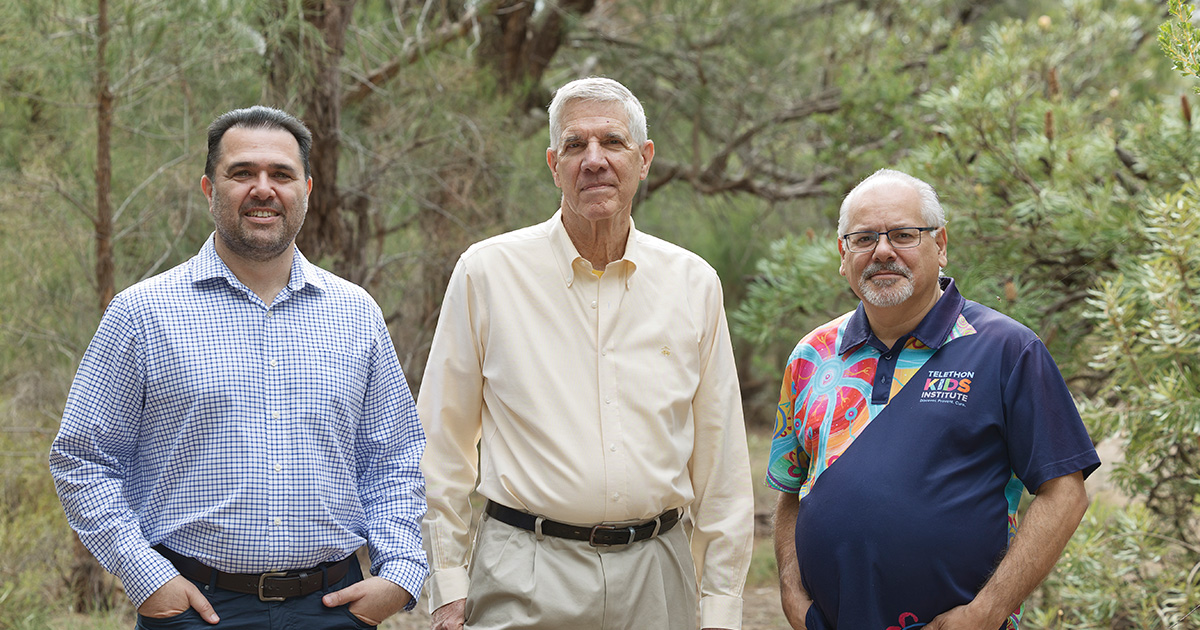
In 1998, The Kids Research Institute Australia embarked on one of the most ambitious population health projects in Western Australian history.
This resource kit for Aboriginal health workers is an exciting milestone in the Rio Tinto Aboriginal Health partnership with The Kids Research Institute Australia
Skin concerns are frequent among urban-living Aboriginal children, yet specialist dermatology consultations are limited with studies highlighting the need for improved cultural security. Through newly established paediatric dermatology clinics at two urban Aboriginal Community Controlled Health Organisations (ACCHOs), we aimed to describe clinic and patient data, including disease frequencies and associations, to inform dermatology service provision and advocacy.
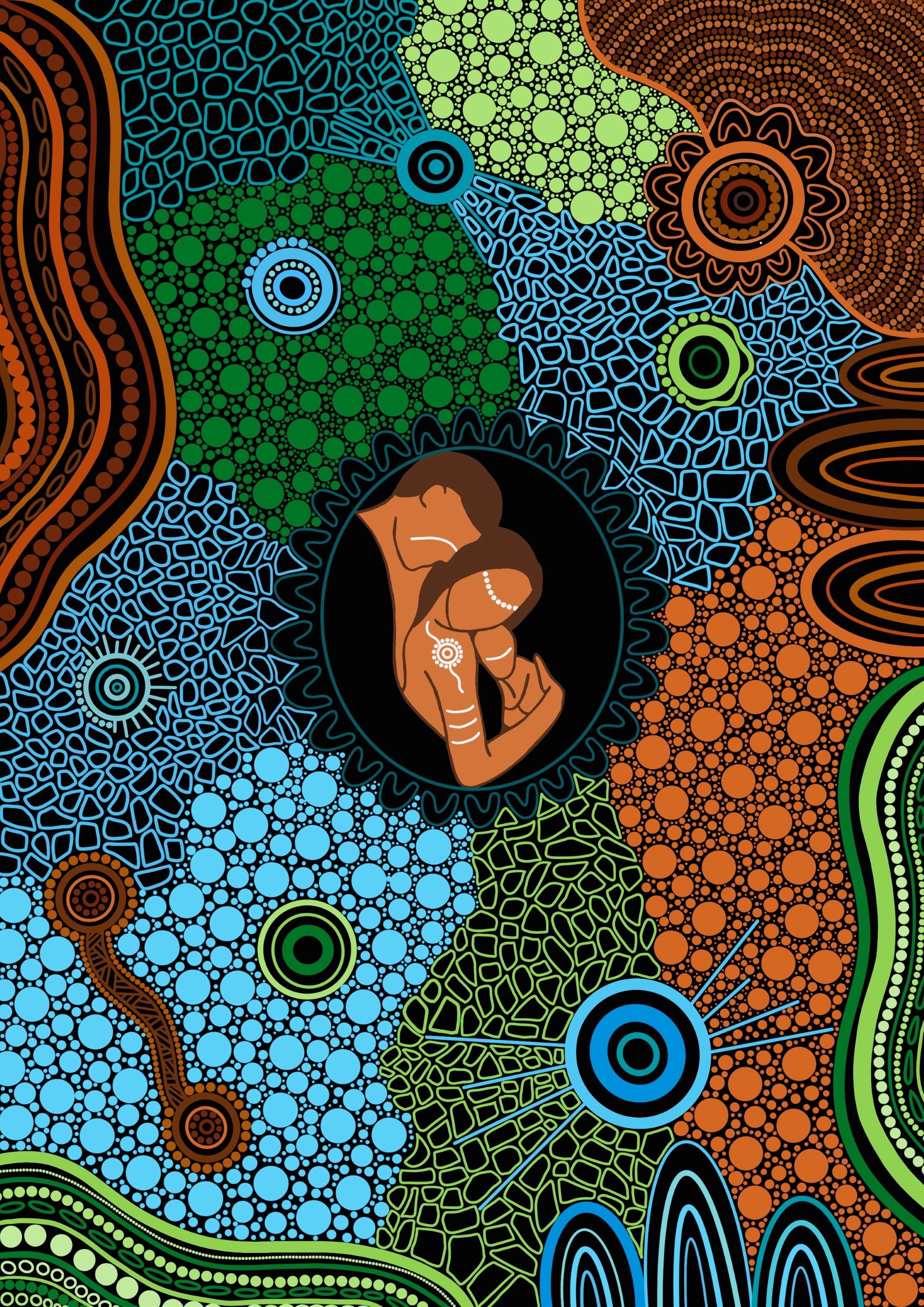
The aim of this project is to develop and implement a culturally safe, responsive and trauma-informed parenting program for Aboriginal and Torres Strait Islander families.
We review findings from our previous studies which show the application of a person-based resilience framework of analysis in the context of WA aboriginal youth
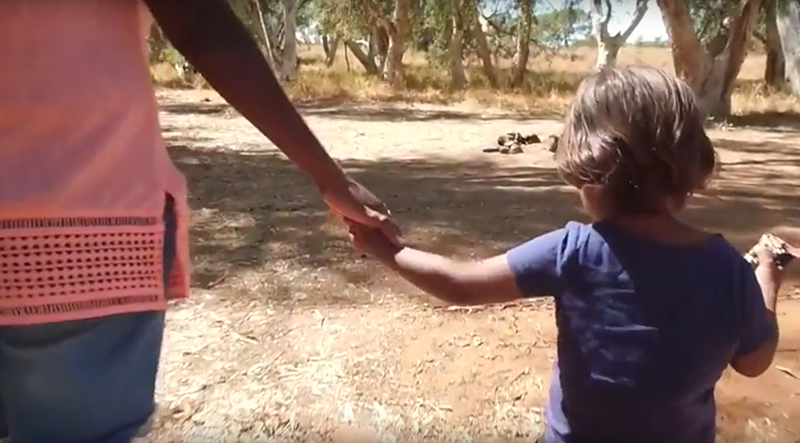
A landmark study has revealed an increase in the prevalence of mental health related issues among mothers of Aboriginal children in Western Australia.