
Search
Showing results for "lung disease preterm"
18 months of age infants receiving 10-valent pneumococcal Haemophilus influenzae protein D conjugate vaccine will have higher antibody levels
This paper examines the use of a new antibiotic to treat diarrhoea cause by Cryptosporidium infection in Australian Indigenous children.
Regular intramuscular benzathine penicillin G injections have been the cornerstone of rheumatic heart disease (RHD) secondary prophylaxis since the 1950s. As the pharmacological correlate of protection remains unknown, it is difficult to recommend changes to this established regimen. Determining the minimum effective penicillin exposure required to prevent Streptococcus pyogenes infection will accelerate development of new long-acting penicillins for RHD prevention as well as inform opportunities to improve existing regimens. The CHIPS trial will address this knowledge gap by directly testing protection afforded by different steady state plasma concentrations of penicillin in an established model of experimental human S. pyogenes pharyngitis.
Recruitment in research can be challenging in Australian Aboriginal contexts. We aimed to evaluate the SToP (See, Treat, Prevent skin infections) trial recruitment approach for Aboriginal families to identify barriers and facilitators and understand the utility of the visual resource used.

Two researchers from The Kids Research Institute Australia’s Wal-yan Respiratory Research Centre have secured lucrative fellowships to advance cutting-edge phage therapy research for people living with cystic fibrosis (CF).

Researchers at The Kids Research Institute Australia have found children with vitamin D deficiency are more likely to develop asthma.
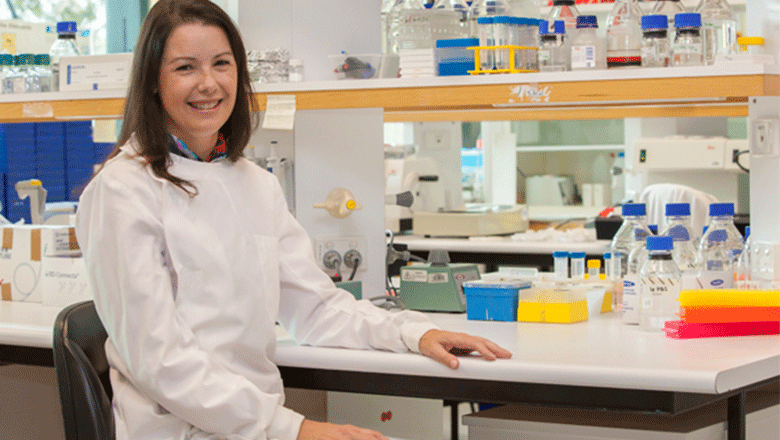
When Ingrid Laing was born, the outlook for kids with cystic fibrosis was bleak. Her parents were told she might make it to 20 if she was lucky.
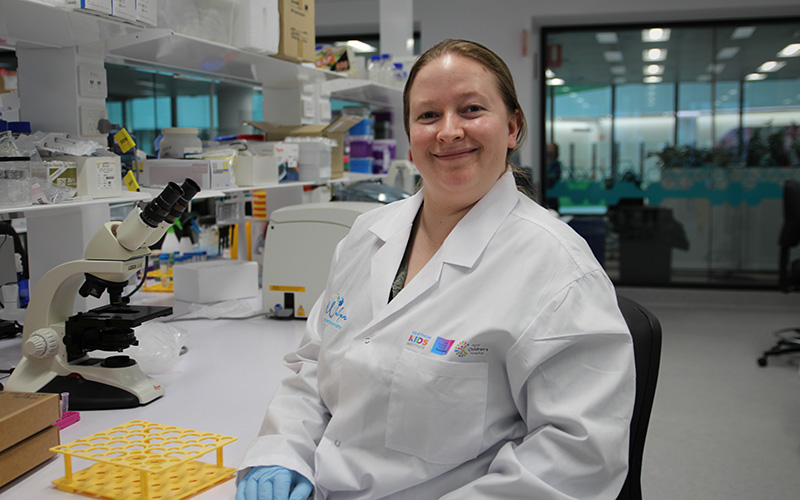
Wal-yan Respiratory Research Centre PhD candidate Katherine Landwehr is researching the impact of breathing in biodiesel exhaust fumes on the lungs.
Human respiratory syncytial virus (RSV) is an important cause of acute respiratory infection with the most severe disease in the young and elderly. Non-pharmaceutical interventions and travel restrictions for controlling COVID-19 have impacted the circulation of most respiratory viruses including RSV globally, particularly in Australia, where during 2020 the normal winter epidemics were notably absent.
The epidemiology and clinical manifestations of severe acute respiratory syndrome coronavirus 2 (SARS-CoV-2) infection are different in children and adolescents compared with adults. Although coronavirus disease 2019 (COVID-19) appears to be less common in children, with milder disease overall, severe complications may occur, including paediatric inflammatory multisystem syndrome.