
Search
Showing results for "early lung health"
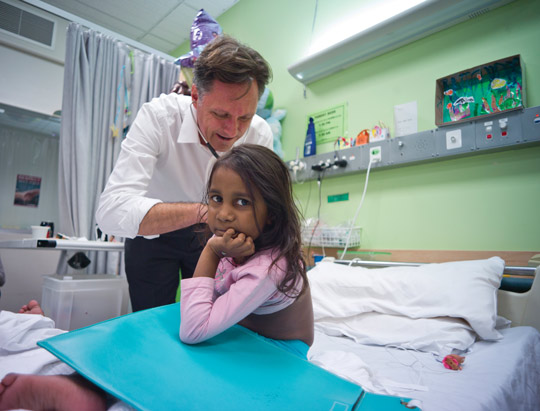
Researchers from The Kids Research Institute Australia are sharing expertise and knowledge to end rheumatic heart disease in this country.
The maternal experience of stressful events during pregnancy has been associated with a number of adverse consequences for behavioral development offspring...
Interparental conflict (IPC) has the potential to adversely affect children's social, emotional, and behavioural functioning. The overall objective of this study was to investigate the relationship between both the severity and chronicity of IPC across early and middle childhood and children's emotional-behavioural functioning at 10-11 years. Specifically, we aimed to: (1) identify distinct trajectories of IPC spanning 10-11 years since birth of the study child as reported by mothers, and (2) examine the emotional-behavioural functioning of children exposed to the identified IPC trajectories.

Principal Research Fellow

CliniKids is pleased to present our quarterly online Autism Seminar Series, designed to inform families, clinicians and educators about the latest autism topics and research.
Desiree Dr Jackie Lisa Susan Silva Davis Gibson Prescott MBBS, FRACP, MPH, PhD BSc (Hons), PGradDipHlthProm, PhD BA (Hons), MPsych, PhD MBBS BMedSci
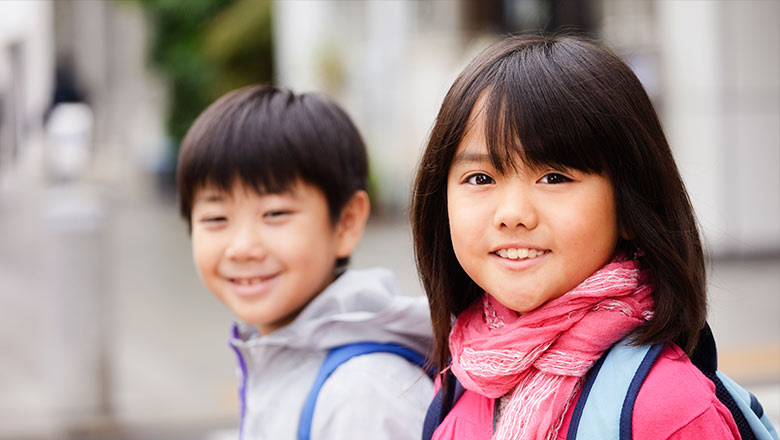
Researchers from the The Kids Research Institute Australia and UWA have found that young children with a chronic disease are more likely to fall behind their peers in a wide
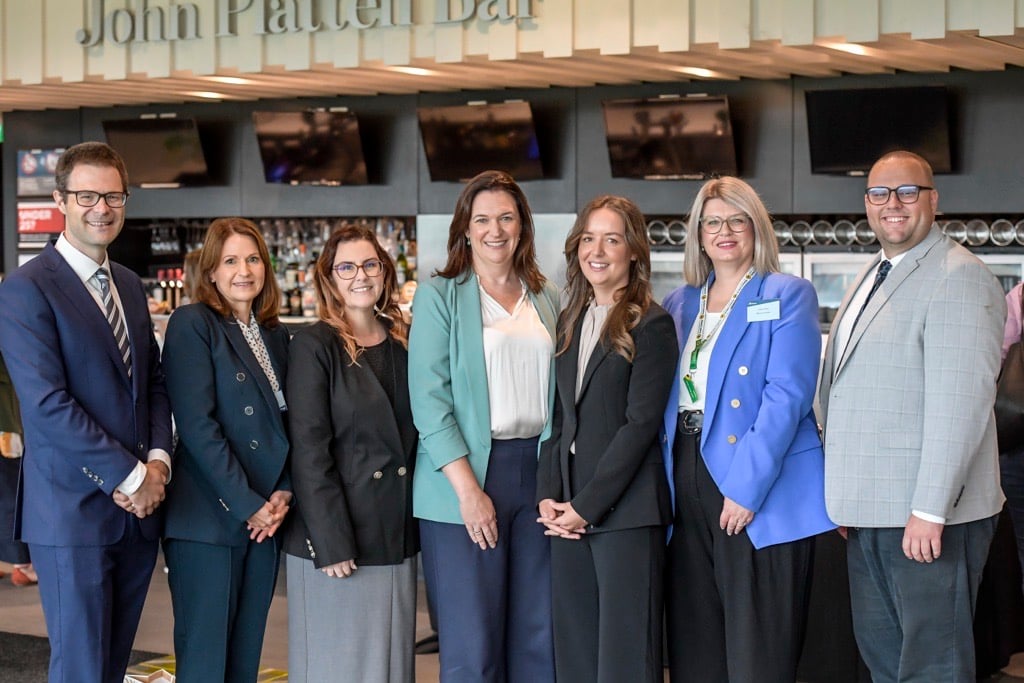
South Australian families with babies showing early social and communication differences will be among the first to benefit from a nation-leading early support program, as The Kids Research Institute Australia’s Inklings Program officially launches in South Australia.

People living with type 1 diabetes (T1D) can participate in all forms of physical activity, but it can sometimes be a little more challenging.
Discover how our breakthroughs are helping kids with diabetes live longer, safer lives.