
Search
Showing results for "lung disease preterm"
Although Streptococcus pyogenes (Strep A) is the sixth-most common infectious disease globally, its transmission within the household remains an understudied driver of infection. We undertook a systematic review to better understand the transmission of Strep A among people within the home, while highlighting opportunities for prevention.
This research sought to provide an outline of identified household-level environmental health initiatives to reduce or interrupt Strep A transmission along each of these pathways.
Secondary prophylaxis to prevent rheumatic heart disease (RHD) progression, in the form of four-weekly intramuscular benzathine benzylpenicillin G (BPG) injections, has remained unchanged since 1955. Qualitative investigations into patient preference have highlighted the need for long-acting penicillins to be delivered less frequently, ideally with reduced pain.
Diarrhoeal disease is the second leading cause of death in children under 5 years globally, killing 525 000 annually. Australian Aboriginal and Torres Strait Islander (hereafter Aboriginal) children suffer a high burden of disease.
Respiratory syncytial virus (RSV) is a major cause of acute lower respiratory infections globally in children under five years. With the development of RSV prevention strategies, understanding risk factors and relation to age and population is useful for deciding the type of program implemented.
Pertussis hospitalisation is more common among infants born prematurely, who have significant comorbidities, or are Indigenous, but acellular pertussis (aP) vaccine effectiveness (VE) estimates in these sub-groups are lacking. We measured aP VE by Indigenous status, and policy-relevant categories of prematurity and comorbidity, in a population-based Australian cohort.
In the warmer tropical regions of WA no seasonality was observed, but overall incidence of LLC presentations were higher
On-time coverage of the 2-4-6 month schedule is only 50-60% across specific population subgroups representing a significant avoidable public health risk
These summary measures can also be used to quantify the component of variation in epidemiology that is related to sociodemographic development.
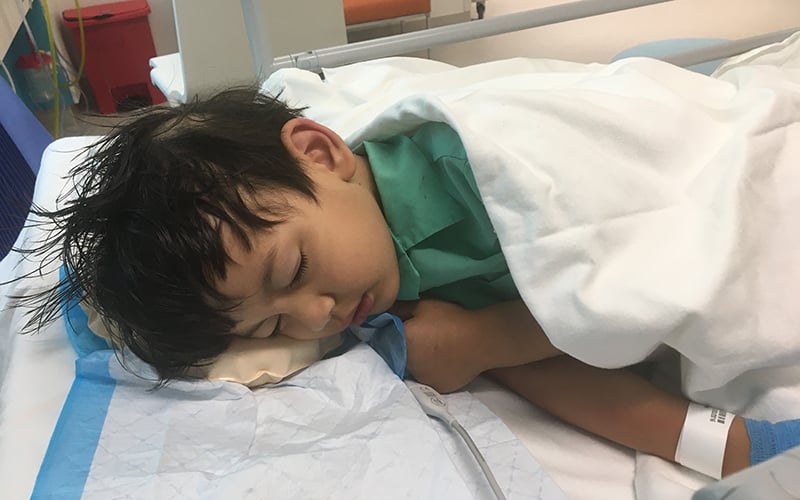
Charlie, 6, has ended up in hospital twice with invasive Strep A infection over his short lifetime – the first time when just three years old.