
Search
Showing results for "mental health aboriginal"
A new study from The Kids for Child Health Research has uncovered a link between energy drink consumption in young men and increased anxiety.
The studies this project has conducted

There are calls for a significant and urgent injection of $40 million in funding to tackle Rheumatic Heart Disease (RHD) following Monday night’s Four Corners episode.
The rise of sedimentary ancient DNA (sedaDNA) studies has opened new possibilities for studying past environments. This groundbreaking area of genomics uses sediments to identify organisms, even in cases where macroscopic remains no longer exist. Managing this substrate in Indigenous Australian contexts, however, requires special considerations. Sediments and soils are often considered as waste by-products during archaeological and paleontological excavations and are not typically regulated by the same ethics guidelines utilised in mainstream 'western' research paradigms.
Studies examining associations of early-life cat and dog ownership with childhood asthma have reported inconsistent results. Several factors could explain these inconsistencies, including type of pet, timing, and degree of exposure. Our aim was to study associations of early-life cat and dog ownership with asthma in school-aged children, including the role of type (cat vs dog), timing (never, prenatal, or early childhood), and degree of ownership (number of pets owned), and the role of allergic sensitization.
Children globally have been profoundly impacted by the coronavirus disease 2019 (COVID-19) pandemic. This review explores the direct and indirect public health impacts of COVID-19 on children. We discuss in detail the transmission dynamics, vaccination strategies and, importantly, the ‘shadow pandemic’, encompassing underappreciated indirect impacts of the pandemic on children.
In 2020, school and early childhood educational centre (ECEC) closures affected over 1.5 billion school-aged children globally as part of the COVID-19 pandemic response. Attendance at school and access to ECEC is critical to a child's learning, well-being and health. School closures increase inequities by disproportionately affecting vulnerable children. Here, we summarise the role of children and adolescents in Severe Acute Respiratory Syndrome Coronavirus 2 (SARS-CoV-2) transmission and that of schools and ECECs in community transmission and describe the Australian experience.
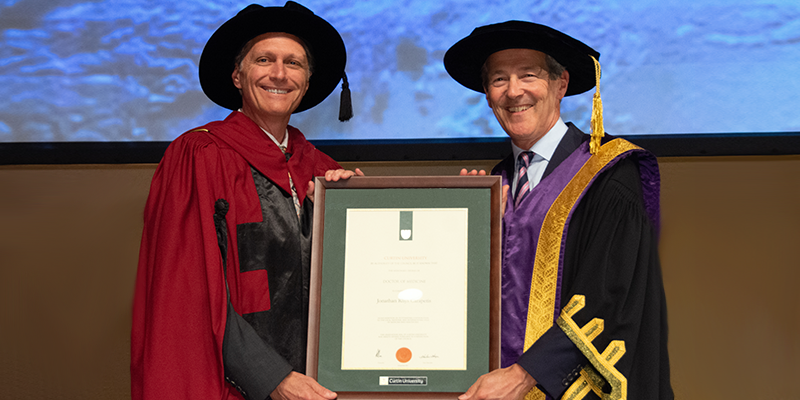
The Kids Research Institute Australia Director Professor Jonathan Carapetis AM has been made an Honorary Doctor of Medicine by Curtin University in recognition of his outstanding contribution to the local, national and international field of medicine and healthcare.
Vaccine development and implementation decisions need to be guided by accurate and robust burden of disease data. We developed an innovative systematic framework outlining the properties of such data that are needed to advance vaccine development and evaluation, and prioritize research and surveillance activities.
Expression of bronchodilator response using forced oscillation technique measurements: absolute versus relative