
Search
Showing results for "Childhood interstitial lung disease "
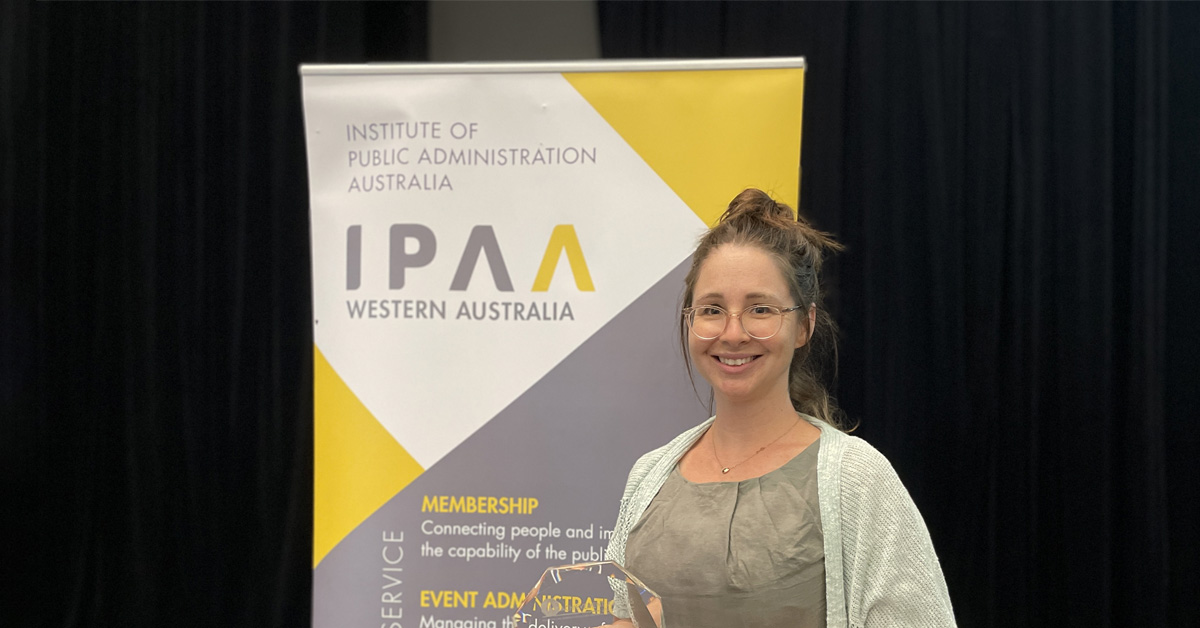
The Kids Research Institute Australia researchers who worked with young people to develop an app designed to help teenagers stay safe in the sun have been named joint winners of a new award for ‘Best Practice in Children’s Consultation’.
Disease caused by Streptococcus pneumoniae is associated with considerable morbidity and mortality in children. Pneumococcal conjugate vaccines are well tolerated and effective at reducing pneumococcal disease caused by vaccine serotypes. VAXNEUVANCE (V114) is a 15-valent PCV containing 13 serotypes in Prevnar 13, plus serotypes 22F and 33F. This large phase 3 study evaluated safety and tolerability of V114 in infants.
The meningococcal serogroup B-factor H binding protein vaccine (MenB-FHbp) is licensed for use in children aged 10 years or older for protection against invasive serogroup B meningococcal disease. Because young children are at increased risk of invasive meningococcal disease, MenB-FHbp clinical data in this population are needed.
Cardiovascular disease (CVD) is the leading cause of death in women around the world. Aboriginal and Torres Strait Islander women (Australian Indigenous women) have a high burden of CVD, occurring on average 10-20 years earlier than non-Indigenous women.
Neuromuscular disorders, chronic diseases and low motor competence have a strong correlation to bone health for appendicular bone parameters in youth

Theme Manager – Chronic Disease
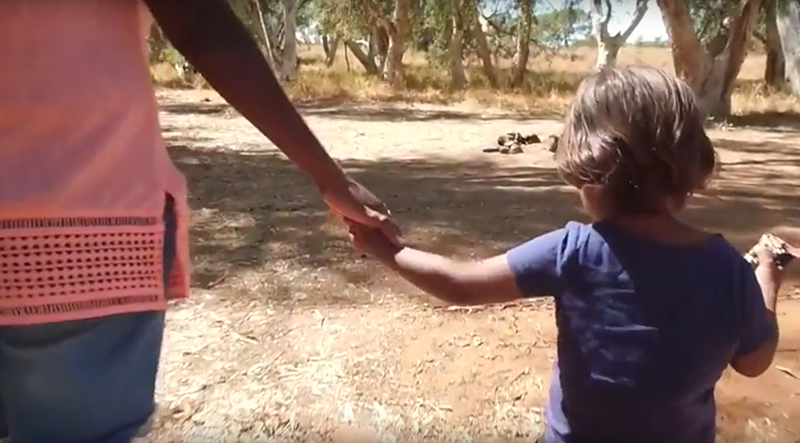
A new report predicts rheumatic heart disease (RHD) will lead to over 500 preventable deaths and cost the Australian health system $317 million by 2031 if no further action to tackle the disease is taken.
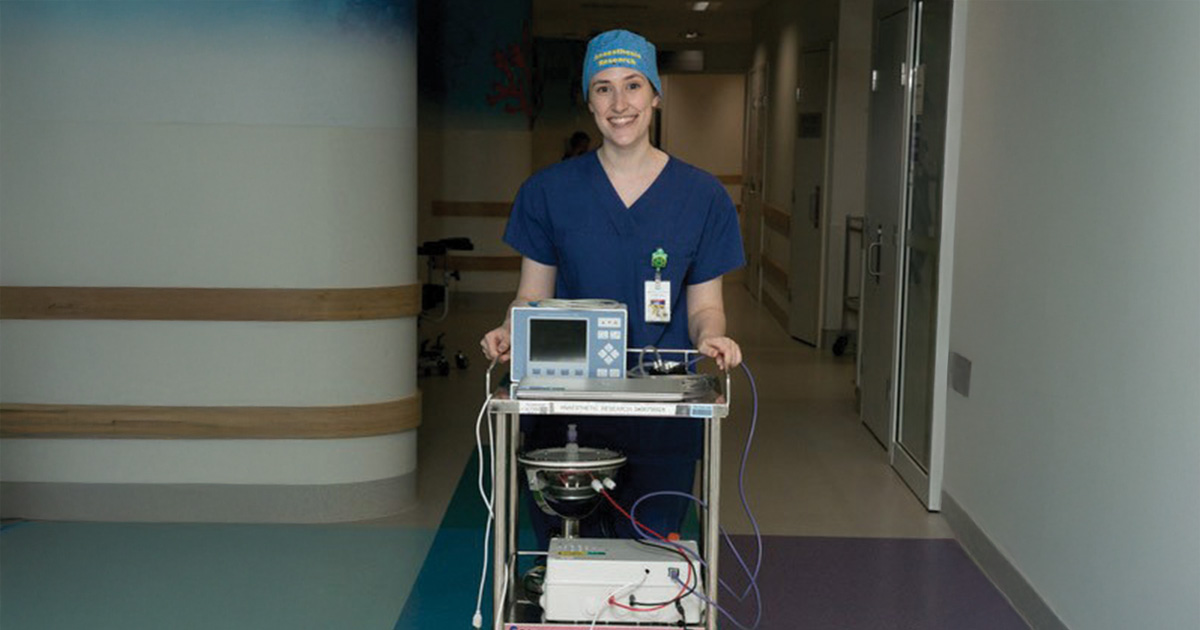
When kids are having surgery, the most common problem that can occur during anaesthesia is a respiratory adverse event.
Measuring disease and injury burden in populations requires a composite metric that captures both premature mortality and the prevalence and severity of...
In this study, we aimed to determine the incidence and incidence rate trends of childhood T2D in Indigenous and non-Indigenous children in WA.