
Search
Showing results for "early lung health"
The introduction of universal newborn hearing screening has allowed for early identification and diagnosis of children with severe-profound hearing loss. This study aims to provide the first Western Australian perspective on the surgical feasibility and safety of cochlear implantation before 12 months of age.
Since colonisation in Australia, dominant western narratives have continually undermined the identity of Aboriginal and Torres Strait Islander peoples. Through a lens of subaltern theory, this article explores how Aboriginal children, their families, and their communities are spoken for and about as members of subaltern communities by non-Indigenous foster carers.
First Nations Peoples endure disproportionate rates of stillbirth compared with non-First Nations Peoples. Previous interventions have aimed at reducing stillbirth in First Nations Peoples and providing better bereavement care without necessarily understanding the perceptions, knowledge and beliefs that could influence the design of the intervention and implementation.

During National Diabetes Week, we take a look at diabetes distress and what research the Children's Diabetes Centre is doing to improve the mental health and wellbeing of young people with diabetes and their families.
Parents must rapidly adapt goals from various aspects of their lives to accommodate the demands of the early stages of parenthood. According to the self-concordance model, having autonomous goal motives (based on enjoyment or personal goal value) should foster effective self-regulation (e.g., coping strategies), better goal management, and increase the likelihood of goal attainment, compared to controlled motives (goals driven by demands/pressures).
Rheumatic heart disease (RHD) is an important and preventable cause of morbidity and mortality among children and young adults in low-income and middle-income countries, as well as among certain at-risk populations living in high-income countries. The 2012 World Heart Federation echocardiographic criteria provided a standardized approach for the identification of RHD and facilitated an improvement in early case detection.
The results showed that Tasmania's Child and Family Centres had a positive impact on parents' use and experiences of services and supports for young children.

Project Coordinator
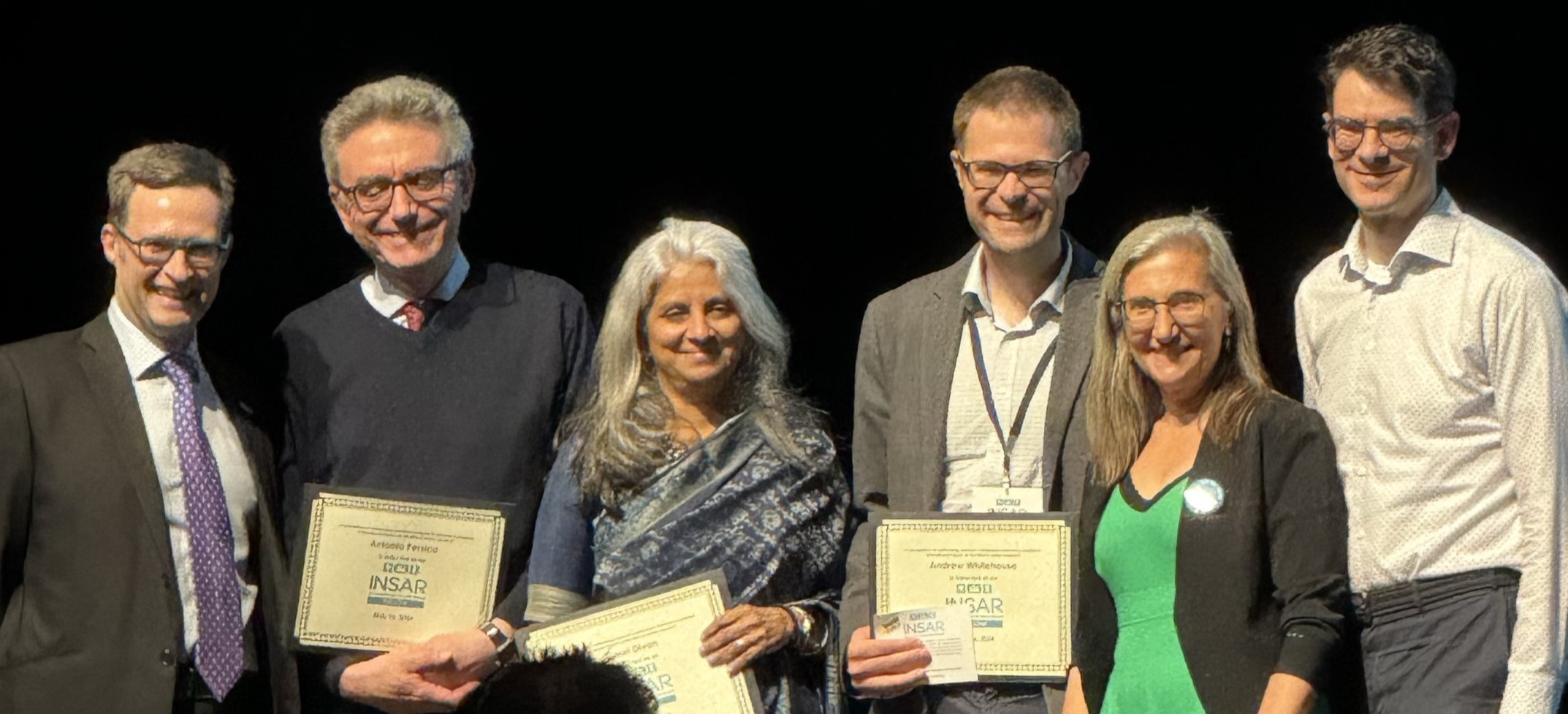
Professor Andrew Whitehouse was recently inducted as a Fellow to the International Society for Autism Research, making him just the fourth Australian to be bestowed the honour.
The project aims to design, test, refine and disseminate an early childhood centre intervention (Smart Start) to improve young children’s and their families’ technology use practices.