
Search
Showing results for "Childhood interstitial lung disease "
The excess stroke incidence in Aboriginal South Australians appears substantial, especially in those aged <55 years
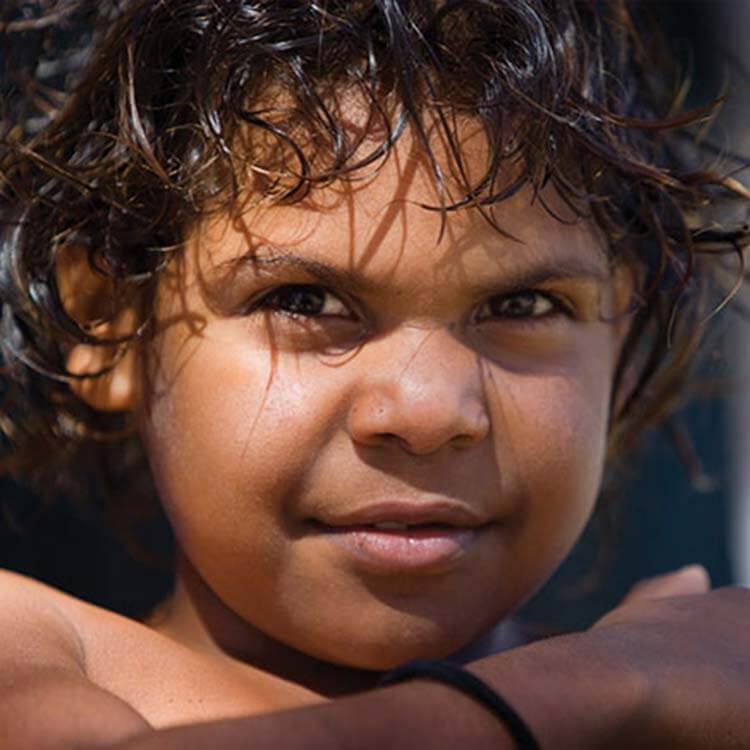
Thanks to a $1 million funding grant, Dr Asha Bowen from The Kids Research Institute Australia is on track to change Aboriginal children's skin infection statistics.
Wastewater-based epidemiology (WBE) has emerged as a key method for the continuous monitoring of COVID-19 prevalence including circulating SARS-CoV-2 lineages. WBE addresses the limitations of traditional clinical COVID-19 surveillance such as clinical test availability, fluctuating testing rates, and increased reliance on rapid antigen tests.
Sarcomeric gene mutations are associated with the development of hypertrophic cardiomyopathy (HCM). Current drug therapeutics for HCM patients are effective in relieving symptoms, but do not prevent or reverse disease progression. Moreover, due to heterogeneity in the clinical manifestations of the disease, patients experience variable outcomes in response to therapeutics.
Anticipation and prompt relief of symptoms among patients with a life-limiting illness is a core element of palliative care. Indigenous Australians commonly encounter cultural barriers in healthcare that may impair outcomes. The Palliative Care Outcomes Collaboration collects patient care data for the purposes of continuous quality improvement and benchmarking, with each recorded care episode divided into phases that reflect a patient's condition.
Aboriginal and Torres Strait Islander Australians experience stroke and traumatic brain injury (TBI) with much greater frequency than non-Aboriginal Australians
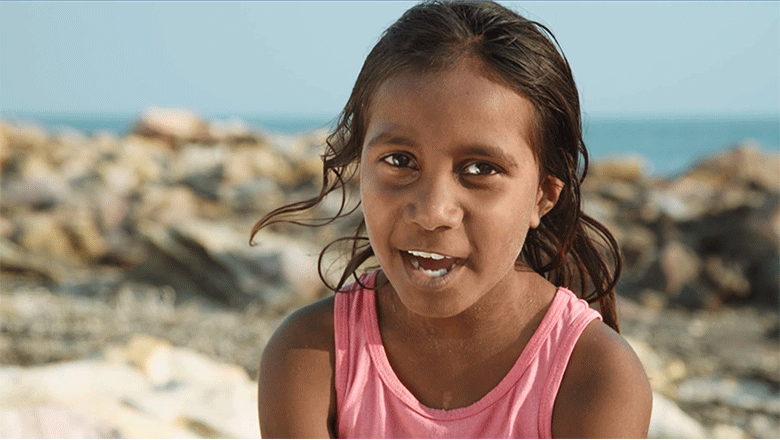
Western Australian doctors are now required by law to report all cases of rheumatic heart disease.
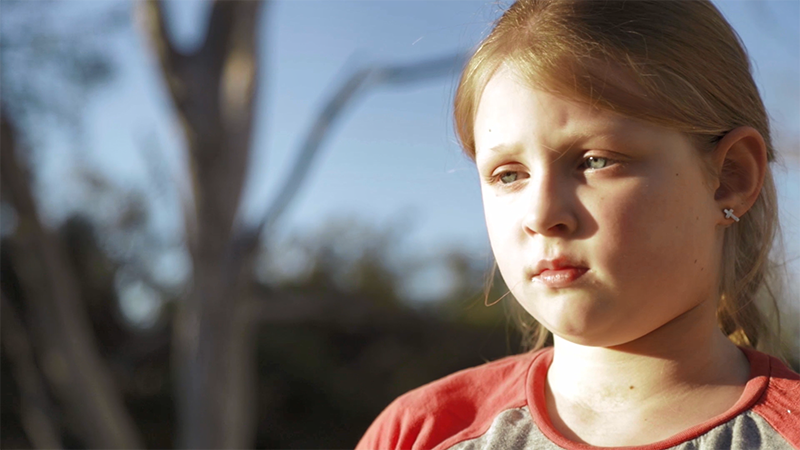
Eight-year-old Emily has type 1 diabetes, a lifelong chronic disease that requires constant management and vigilance to keep blood glucose levels on target. It is a relentless disease, not just on individuals but also on families.
This research project is a collaboration between The Kids Research Institute Australia, Muscular Dystrophy Western Australia, Perth Children’s Hospital and Curtin University.
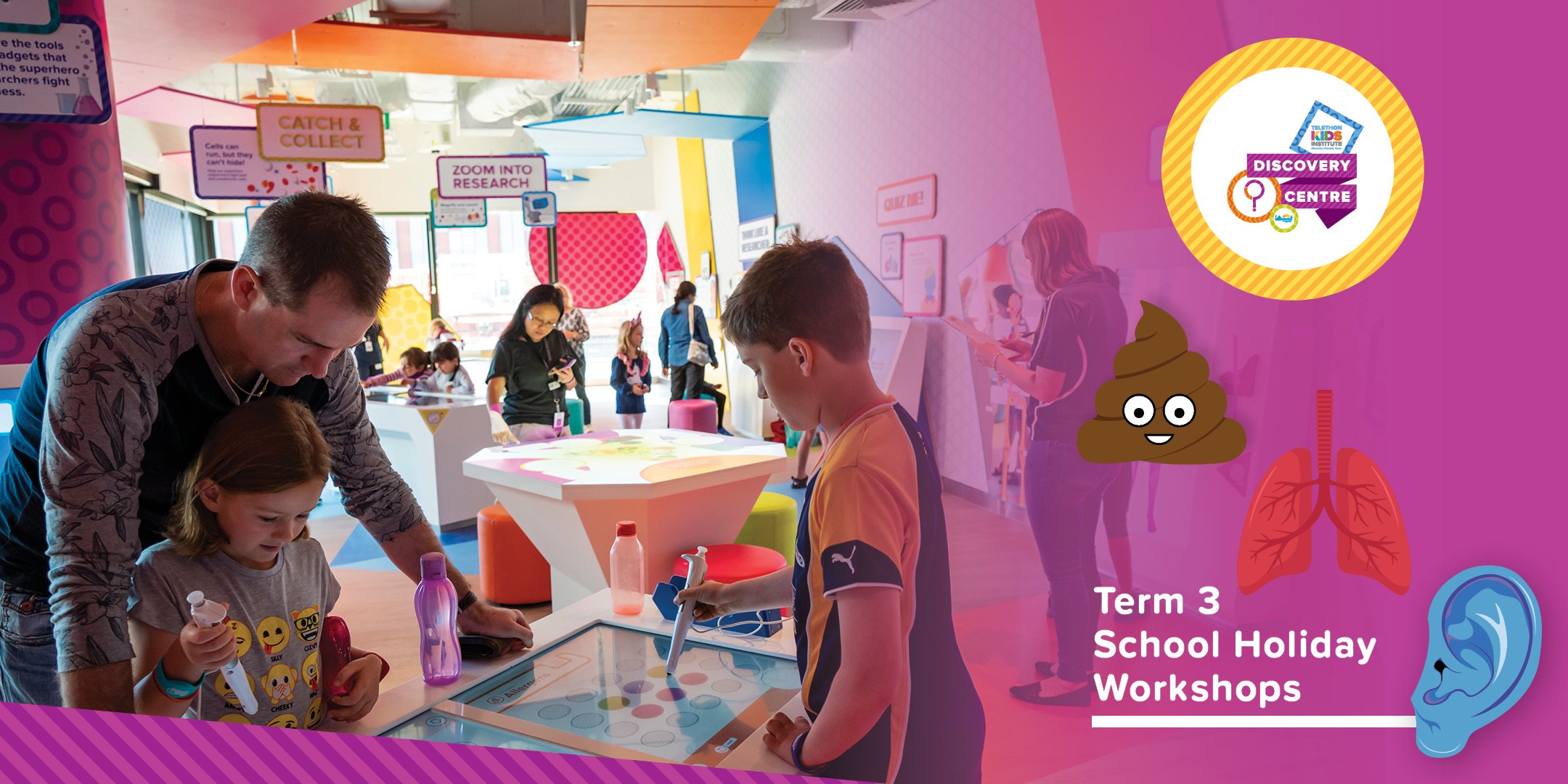
The Kids Discovery Centre is offering a brand-new program of fun and engaging workshops for kids during the Term 3 School Holidays.