
Search
Showing results for "lung disease preterm"
Human respiratory syncytial virus (RSV) is an important cause of acute respiratory infection with the most severe disease in the young and elderly. Non-pharmaceutical interventions and travel restrictions for controlling COVID-19 have impacted the circulation of most respiratory viruses including RSV globally, particularly in Australia, where during 2020 the normal winter epidemics were notably absent.
Influenza is the most common vaccine-preventable disease in Australia, causing significant morbidity and mortality. We assessed the burden of influenza across all ages in terms of influenza-associated mortality and hospitalizations using national mortality, hospital-discharge and influenza surveillance data.
Jonathan Jeffrey Carapetis AM Cannon AM MBBS FRACP FAFPHM PhD FAHMS BSc(Hons) BBus PhD Co-Head, Strep A Translation; Co-Founder of REACH Health
The burden of seasonal influenza disease in Australian children is substantial, especially for those with medical comorbidities including chronic cardiac, respiratory, neurological and immunosuppressive conditions. Influenza is more likely to be severe in children with comorbidities compared to previously healthy children (e.g. more frequent and longer hospitalisation, more frequent intensive care unit admission and requiring respiratory support). Direct protection against influenza by vaccination is critical for children with comorbidities and remains the most effective tool for influenza prevention.
In addition to providing pathogen-specific immunity, vaccines can also confer nonspecific effects (NSEs) on mortality and morbidity unrelated to the targeted disease. Immunisation with live vaccines, such as the BCG vaccine, has generally been associated with significantly reduced all-cause infant mortality. In contrast, some inactivated vaccines, such as the diphtheria, tetanus, whole-cell pertussis (DTPw) vaccine, have been controversially associated with increased all-cause mortality especially in female infants in high-mortality settings.
The 2001 Recommendations for clinical care guidelines on the management of otitis media in Aboriginal and Torres Islander populations were revised in 2010. This 2020 update by the Centre of Research Excellence in Ear and Hearing Health of Aboriginal and Torres Strait Islander Children used for the first time the Grading of Recommendations, Assessment, Development and Evaluation (GRADE) approach.

Recently, researchers from The Kids Research Institute Australia, Perth Children’s Hospital and The University of Western Australia contributed to three major international publications, collectively reinforcing rare diseases as a critical, community-wide health priority.
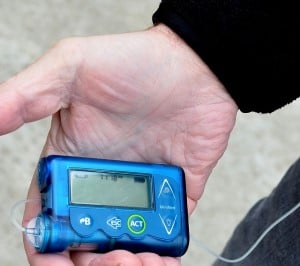
The study involved screening young people to learn more about the development of long-term kidney, eye and cardiovascular complications in adolescents with T1D.
Increased collaboration and engagement across all sectors can optimise the use of linked data to help reduce the burden of infectious diseases
Increased maternal egg ingestion is associated with increased breastmilk ovalbumin, and markers of immune tolerance in infants