
Search
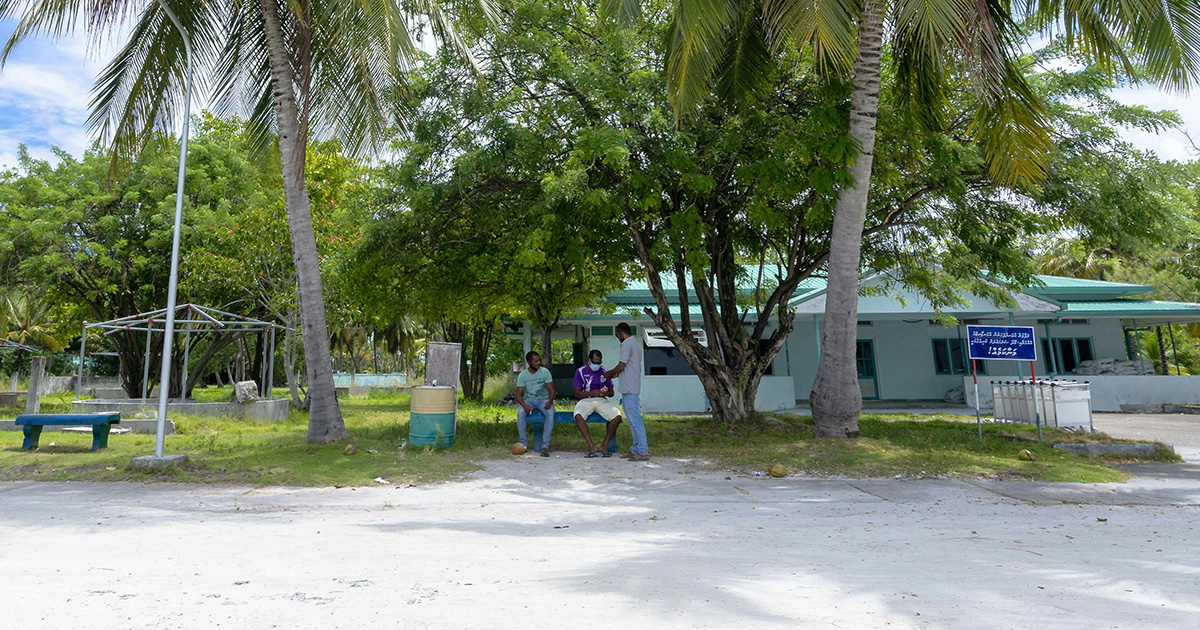
A team led by Dr Joseph Kado from the Wesfarmers Centre of Vaccines and Infectious Diseases, based at The Kids Research Institute Australia, and The University of Western Australia (UWA) has been awarded $5 million by the Federal Government in a major push to prevent rheumatic heart disease across the Pacific.

Congratulations to infectious diseases clinician-researcher Professor Asha Bowen, awarded a Medal of the Order of Australia (OAM) in the King’s Birthday Honours List for her service to medicine in the field of clinical diseases.

A world-first study involving more than 100 cancer researchers and clinicians across Australia – including from The Kids Research Institute Australia and Perth Children’s Hospital – has shown that precision medicine can significantly improve outcomes for children with high-risk cancer.

Congratulations to four outstanding The Kids Research Institute Australia researchers who have received funding designed to support researchers who have narrowly missed out on highly competitive national funding.
MEDIA ENQUIRIES Mailing list Discover. Prevent. Cure. Media Contacts Be Inspired About The Kids Please direct general enquiries to our reception on (
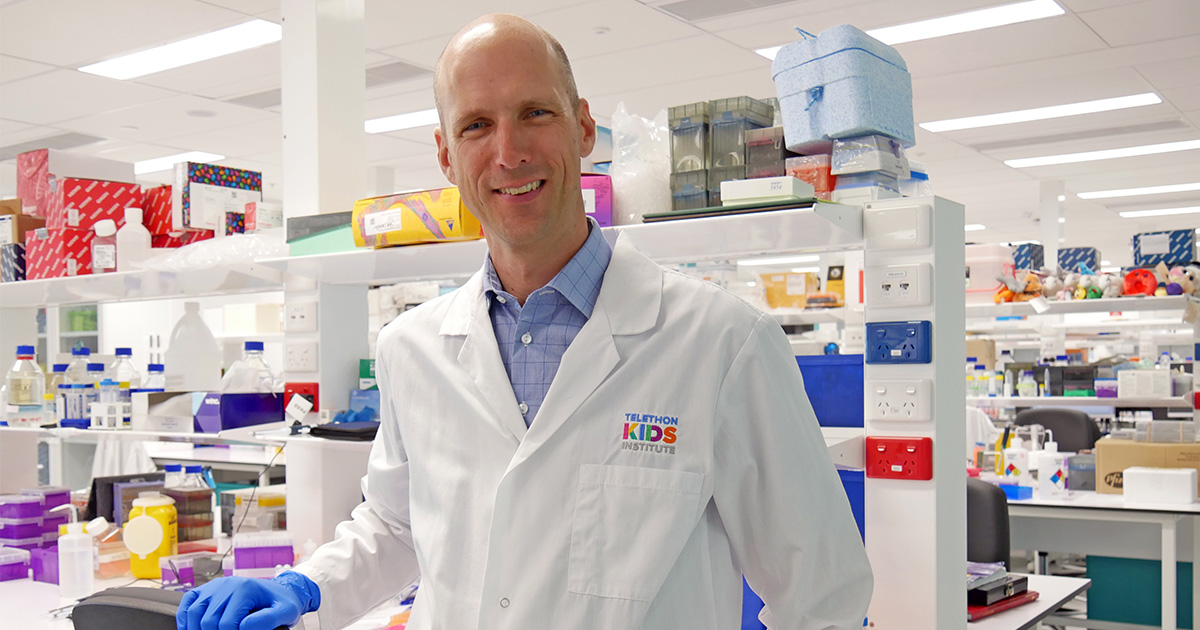
Researchers dedicated to developing the first cancer immunotherapy tablet have been boosted by a $374,000 CUREator top-up funding grant.

More than 80,000 Australian children are expected to benefit as 700 childcare centres across the country trial a new program aimed at boosting declining physical activity levels.

The HBF Run for a Reason is back and if you’re looking for a reason to take part in this year’s event, let it be child health research.
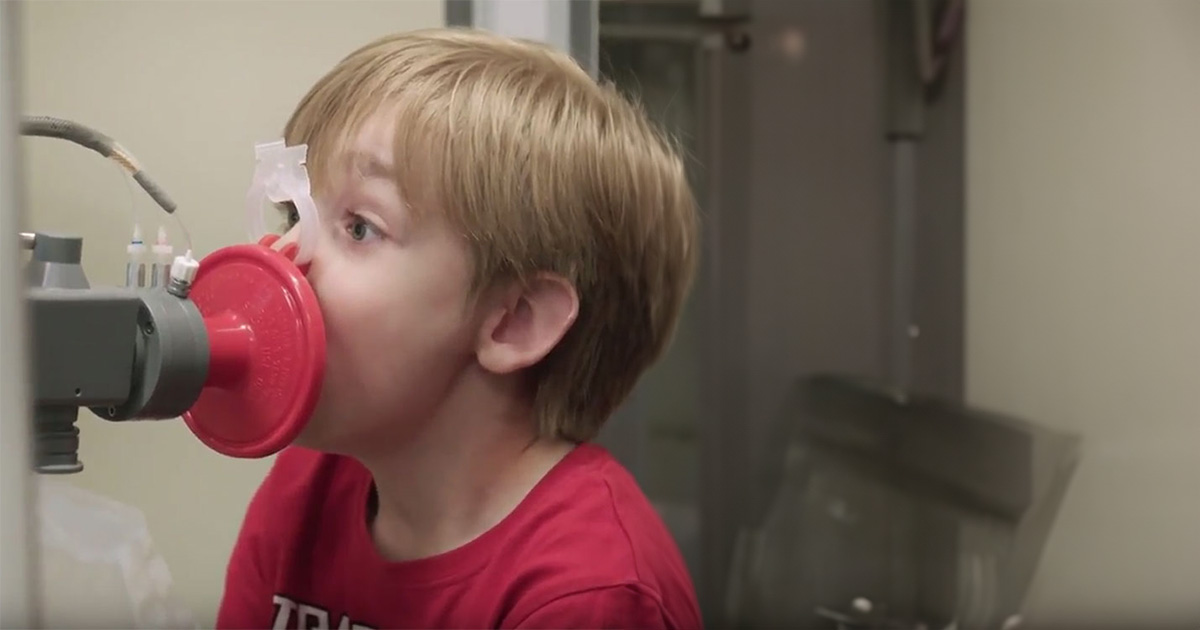
Children who live in the outer suburbs of Australia’s four biggest cities are twice as likely to have asthma as those living in inner city areas, according to a new study based on health data captured in the last Australian Census.
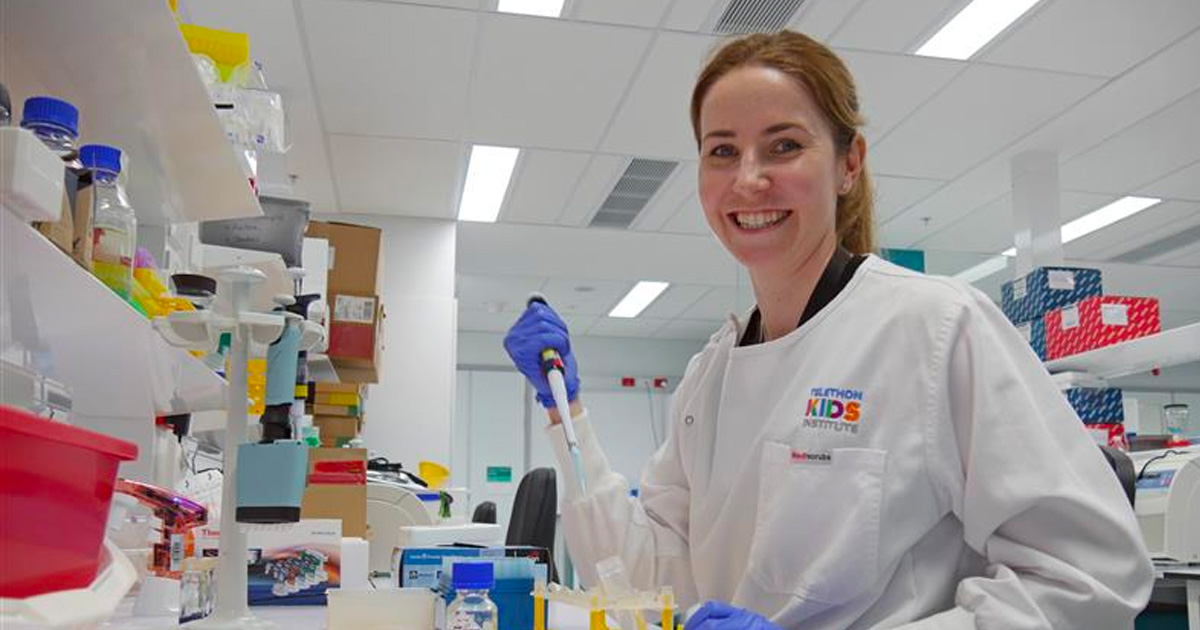
WA researchers hope to gain new insights into the way immune cells in the body trigger attacks of multiple sclerosis (MS), thanks to new funding from MS Australia.