
Search
Showing results for "early lung health"
One way the Wal-yan Respiratory Research Centre provides the opportunity for consumers and community members to contribute to our research is through participation in one of our eight community reference groups.

The Kids Research Institute Australia researcher, Niamh Troy, has been named a joint winner of the Exxon Mobile Student Scientist of the Year award at the Premier’s Science Awards.
Pets may protect children from developing social-emotional problems and should be taken into account when assessing child development and school readiness
Maternal psychological distress is related to poorer physical and mental health as well as child developmental problems. Interventions that optimise maternal mental health and wellbeing during the "first 1,000 days" of life should have wide-reaching benefits for the mother and her child.
Yael Jacinta Penelope Keely Bep Amy Helen Claire Perry Freeman Strauss Bebbington Uink Finlay-Jones Milroy McIlroy BPsych (Hons) MPsych (Clin) PhD
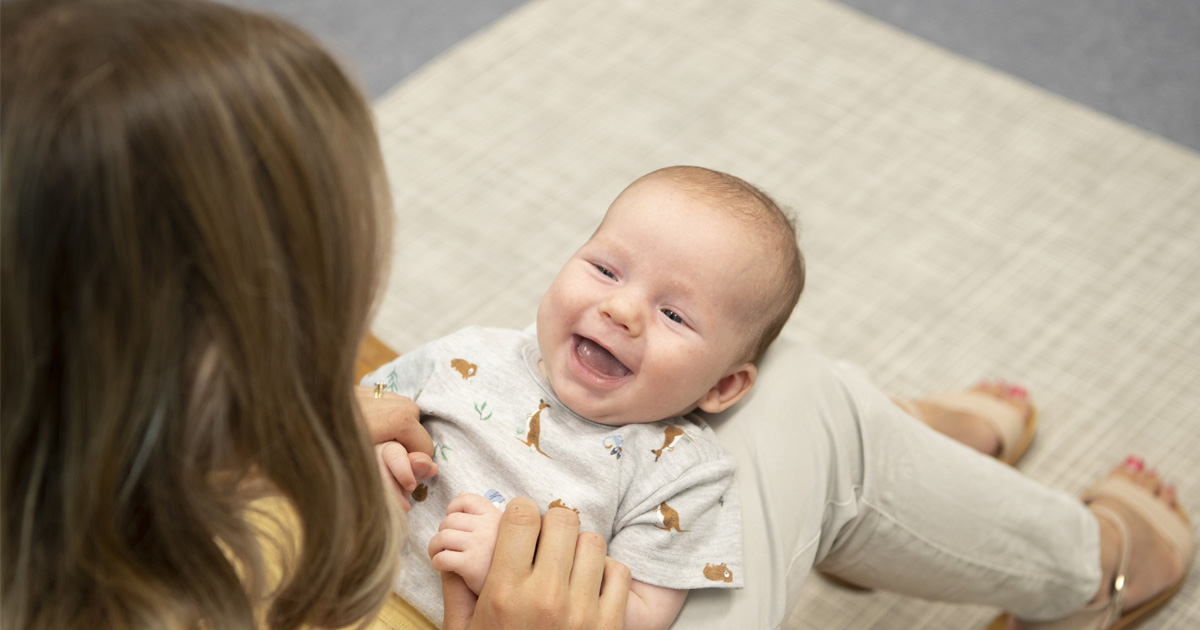
New research evaluating the potential cost savings of a therapy for babies displaying early autism signs has predicted a three dollar return to Australia’s National Disability Insurance Scheme (NDIS) for every dollar invested in therapy.

Researchers from The Kids Research Institute Australia are amongst those who will benefit from new medical research funding announced today by the WA State government.
This paper presents the study protocol for a pragmatic randomised controlled trial to evaluate the impact of a school based program developed to prevent teenage
To recruit participants for ORIGINS and sub-projects and to follow-up participants during the Project implementation
Enteroviruses (EVs) have long been implicated in the development of islet autoimmunity (IA) and type 1 diabetes. However, given the ubiquity of EV infections in children, disease susceptibility is likely driven by host-specific immune responses rather than viral exposure alone.