
Search
Showing results for "aboriginal respiratory"
Pregnancy is associated with an alternatively activated phenotype of alveolar macrophage before infection
Chronic inflammation may expand sub-populations of T cells expressing CTLA-4 in COPD patients and therefore impair T-cell function
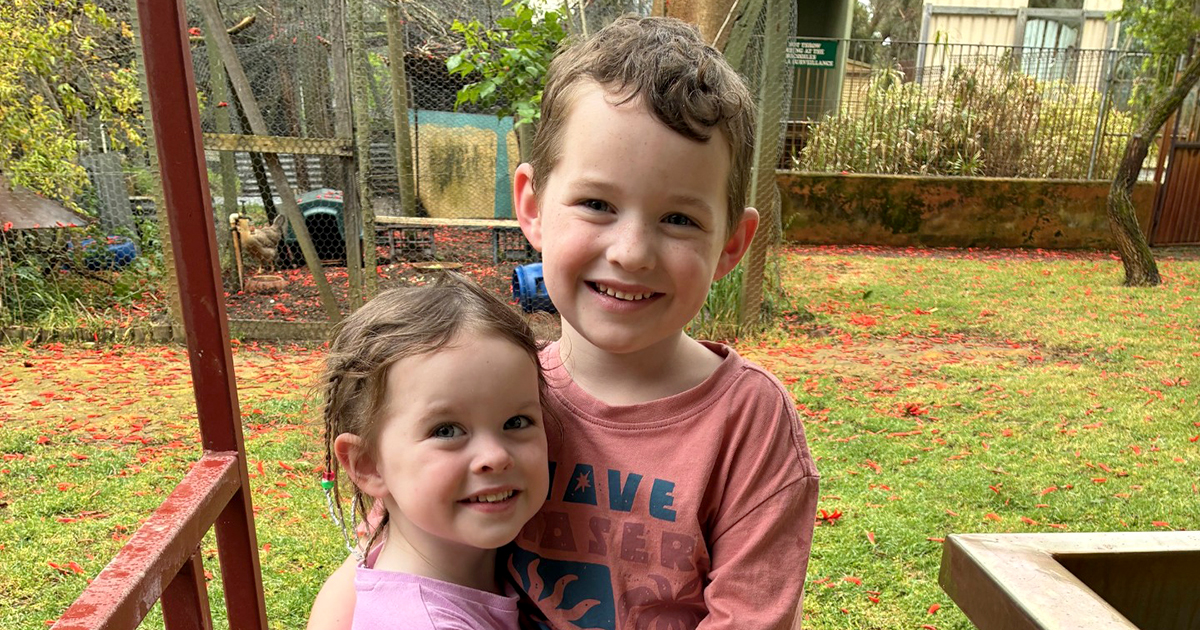
For decades, cystic fibrosis (CF) meant a life shaped by daily treatments, frequent hospitalisations, and an uncertain future. The arrival of CFTR modulators has changed that picture dramatically, and researchers at the Wal-yan Respiratory Research Centre now want to understand the bigger picture.

The Kids Research Institute Australia welcomes the Federal Government's stringent vaping reforms that took effect on 1 July 2024.
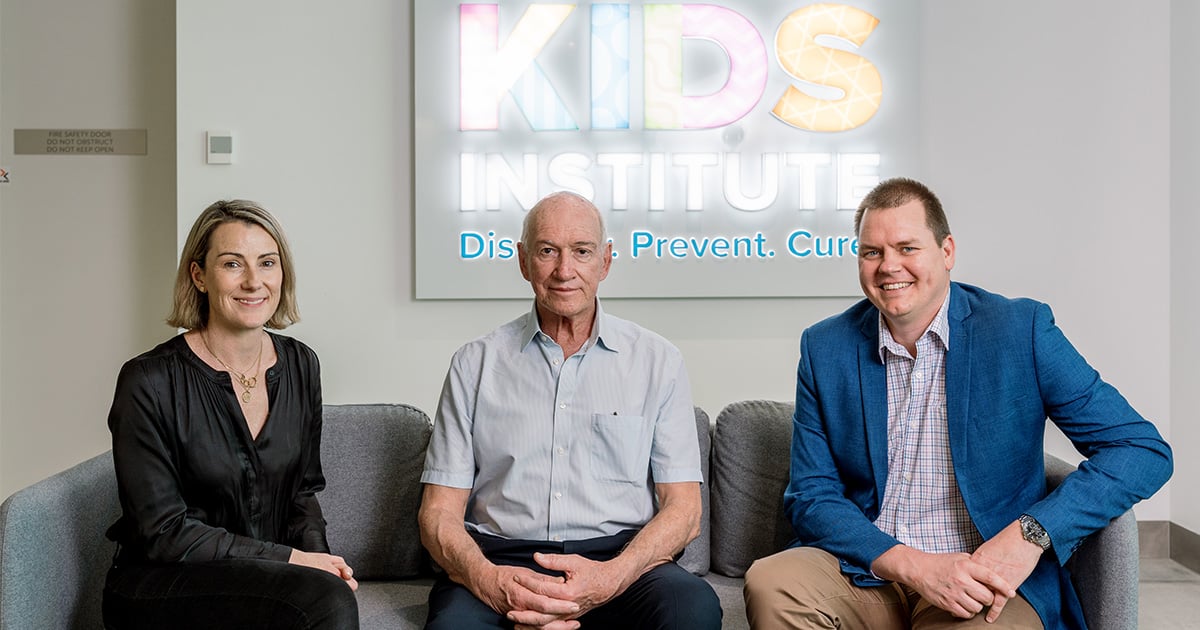
A The Kids Research Institute Australia spin-off company, Inspiring Holdings Pty Ltd (Inspiring), has been announced as winner of the Wesfarmers Wellbeing Platinum Award in the prestigious WA Innovator of the Year awards for their novel Universal Spacer System – a device which improves the delivery of inhaled dru

The urgency for a world-first respiratory syncytial virus vaccine is at an all-time high.
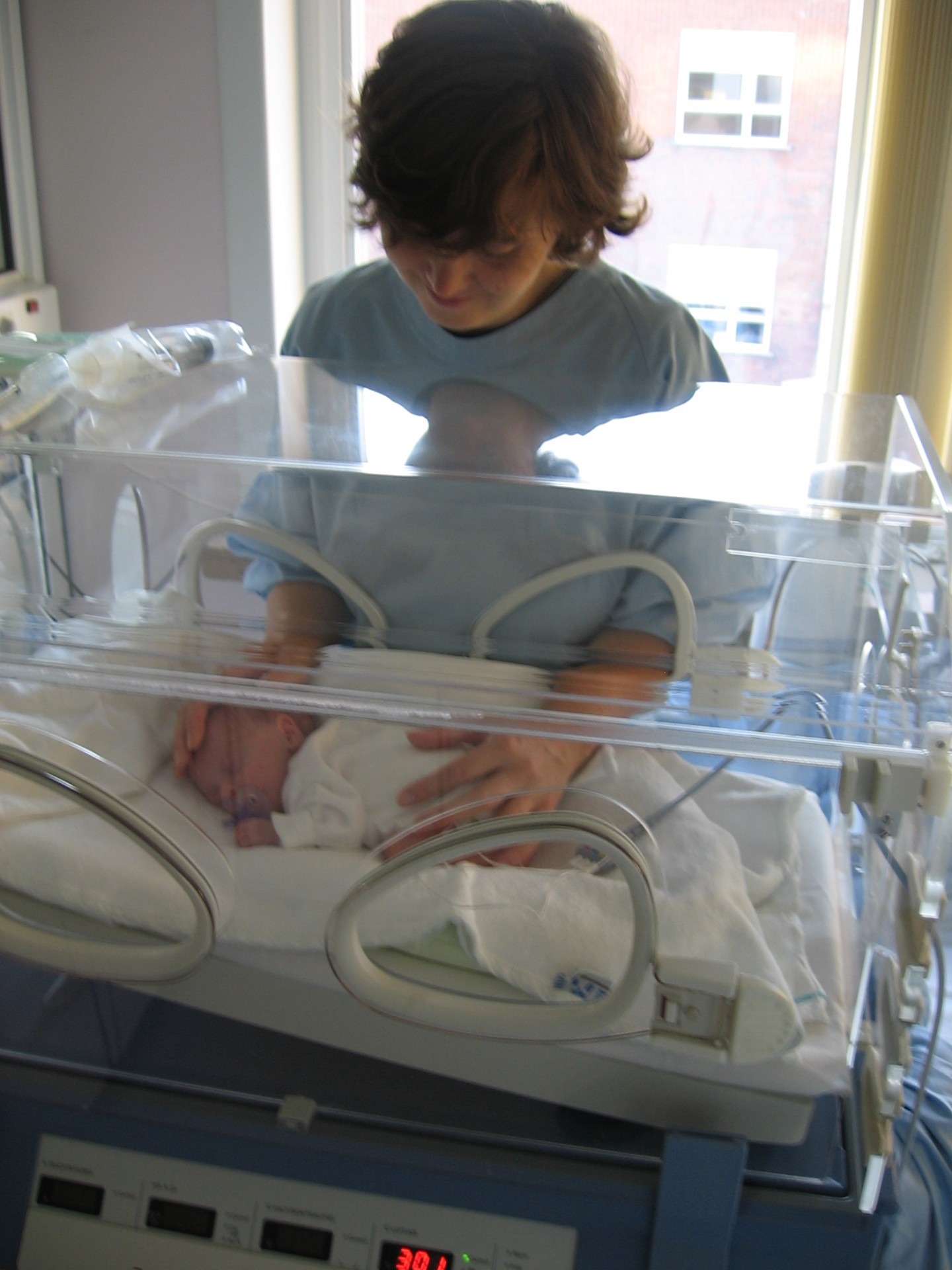
With premature babies facing lung problems, researchers with the Children’s Lung Health group are working to identify ways to improve the long-term impact.
Chronic innocuous aeroallergen exposure attenuates CD4+ T cell-mediated airways hyperresponsiveness in mice; however, the mechanism(s) remain unclear

The vision of the Perioperative Medicine Team is to make discoveries that will improve children’s perioperative care and lead to global practice change.
This is a strategic “pilot” project in which we are seeking basic information on the immune cell content of gestational tissues.