
Search
Showing results for "mental health aboriginal"
The rise in food allergy is more rapid than genetic deviation would allow and the current consensus is that environmental factors integrally linked to the...
The proposal that dietary docosahexaenoic acid (DHA) enhances neurocognitive functioning in term infants is controversial.
In this study, we examined the effects of maternal smoking as a major adverse exposure in early life, on mucosal immune function and allergen sensitization...
Improving our understanding of superficial Streptococcus pyogenes (Strep A) carriage and transmission necessitates robust sampling methods. Here, we compared the effect of storing swab samples in fridge (+4°C) and freezer (-20°C) conditions on the recovery of laboratory-cultured S. pyogenes.
This paper examines the use of a new antibiotic to treat diarrhoea cause by Cryptosporidium infection in Australian Indigenous children.
Investigate impacts on maternal health and family quality of life in families with a child with the CDKL5 disorder
Community involvement plays an integral role in guiding our research - find out how.
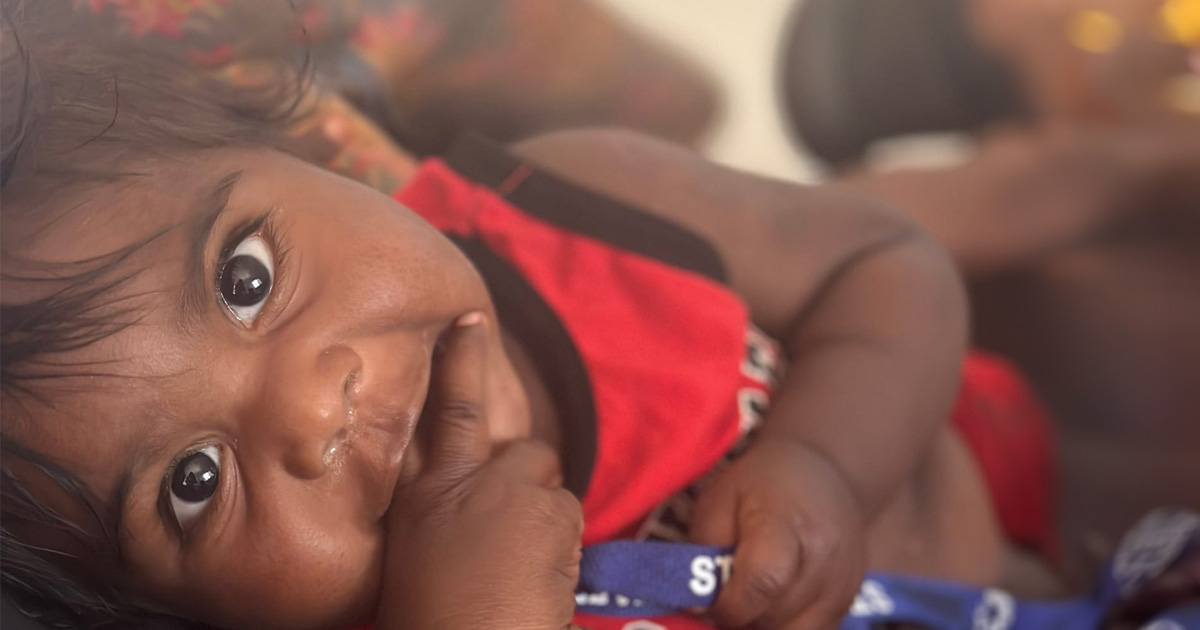
Born two weeks early, six-month-old Braxton Lewis’ entry to the world could have been vastly different if not for a service dedicated to improving pregnancy outcomes for Aboriginal women in WA’s East Pilbara.
The aim was to evaluate the incidence, sex distribution, ethnicity, age at diagnosis, clinical presentation and morbidity of all childhood-onset congenital...
The eradication of smallpox is considered one of the greatest achievements of humankind, thanks to vaccination. The widespread availability of childhood vaccines has substantially reduced childhood morbidity and mortality. Devastating infections, such as polio, have almost disappeared due to vaccination. In 2021, it was estimated that vaccination against ten selected pathogens will have averted 69 million deaths between 2000 and 2030. Increases in vaccine coverage and introduction of additional vaccines should reduce lifetime mortality by 72% in the 2019 birth cohort. However, access to vaccines that prevent life-threatening and disabling infectious diseases remains unequal.