
Search
Showing results for "aboriginal respiratory"
A high burden of bacterial skin infections is well documented in remote-living Indigenous children and young people in high-income countries.
Congratulations goes to Dr Asha Bowen and Dr Ruth Thornton for being the successful first round recipients of the WCVID.
OASIS aims to support the implementation and dissemination of Friendly Schools across schools throughout Australia.
Yasmin Harman-Smith BA, BHlthSc(Hons), MTeach(Primary), PhD Head, Early Years Systems Evidence Yasmin.harman-smith@thekids.org.au Head, Early Years
The WA Youth Awards 2023
Yasmin Harman-Smith BA, BHlthSc(Hons), MTeach(Primary), PhD Head, Early Years Systems Evidence Yasmin.harman-smith@thekids.org.au Head, Early Years
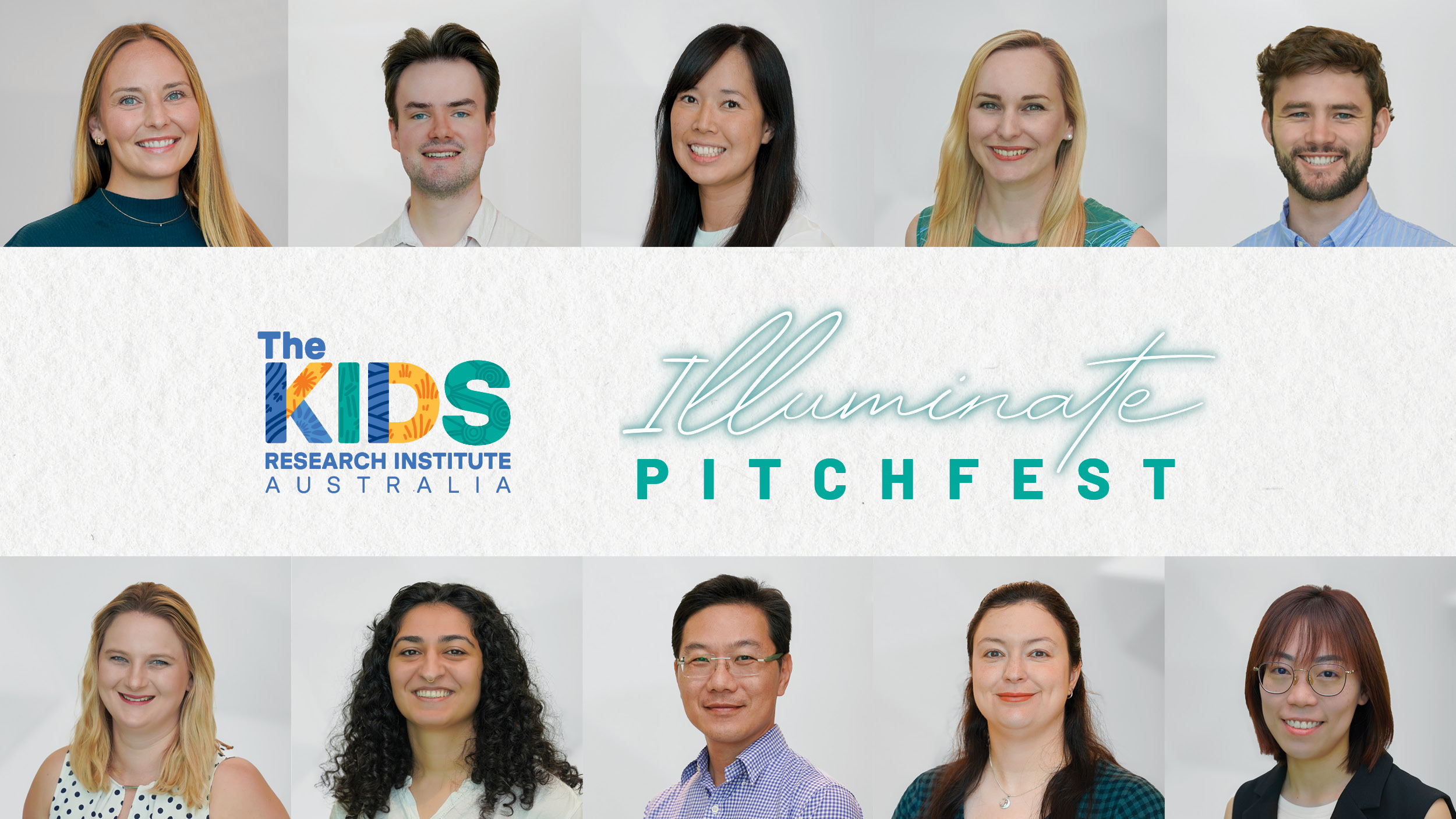
We are excited to introduce ten trailblazing researchers who will be taking to the stage this February to pitch their bold and innovative ideas to our philanthropic community.
Gastrostomy is increasingly used in multiple neurological conditions associated with intellectual disability, with no apparent accessibility barriers
This study suggests that broad-spectrum protection-of-pregnancy against infection-associated inflammatory stress represents an achievable therapeutic goal
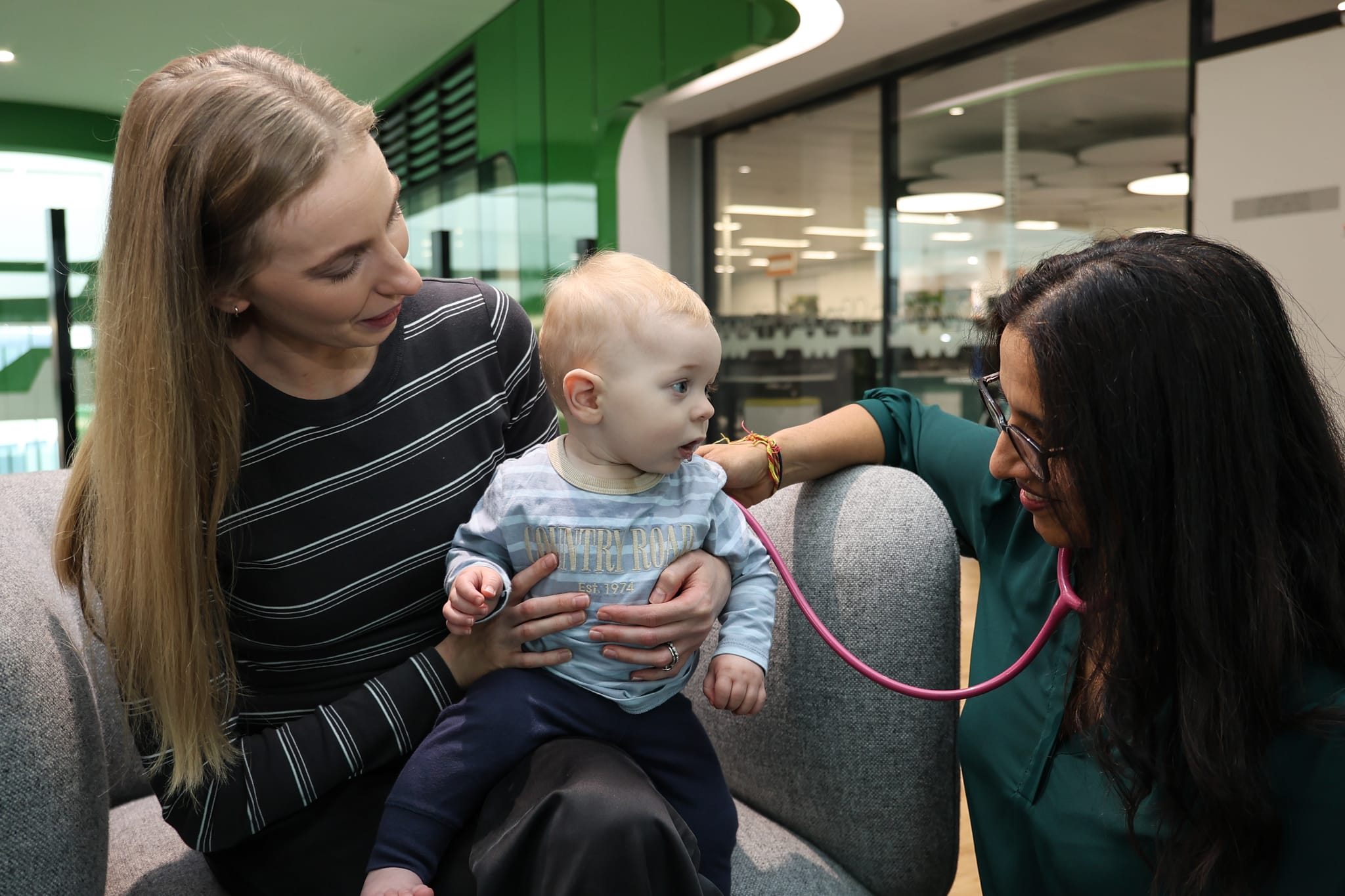
Australia’s new respiratory syncytial virus (RSV) immunisation program cut hospital admissions for Australia’s youngest babies by almost half in its first year, a new major national study has shown.