
Search
Showing results for "aboriginal respiratory"
This trial will determine whether BCG vaccination reduces the incidence and severity of COVID-19 but also whether BCG vaccination reduces other respiratory illnesses in healthcare workers.
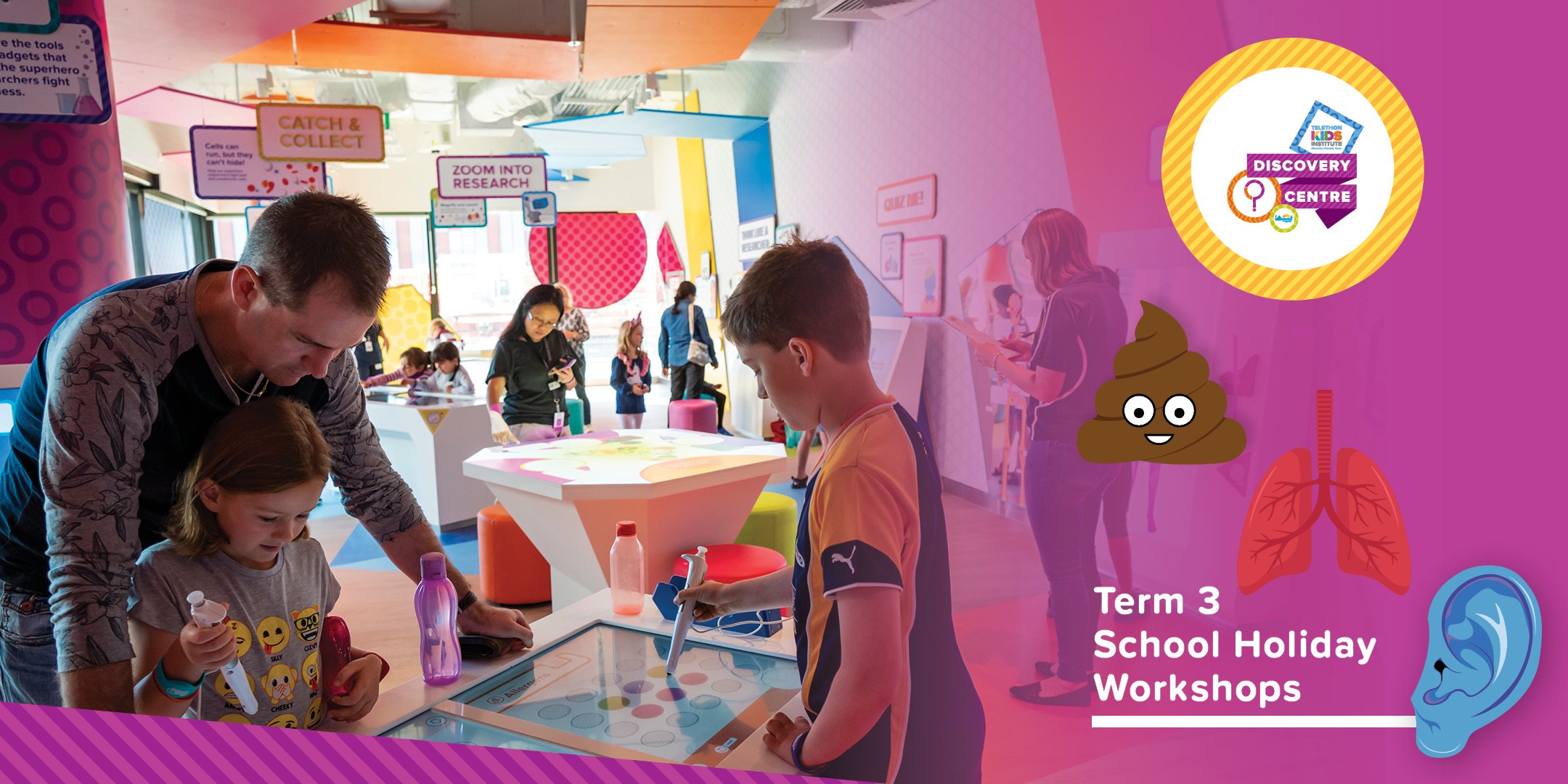
The Kids Discovery Centre is offering a brand-new program of fun and engaging workshops for kids during the Term 3 School Holidays.
Kefyalew Alene BSc, MPH, PhD Head, Geospatial and Tuberculosis 0404705064 Kefyalew.alene@thekids.org.au Honorary Research Fellow Dr Kefyalew Alene
Acute rheumatic fever is infrequently diagnosed in sub-Saharan African countries despite the high prevalence of rheumatic heart disease. We aimed to determine the incidence of acute rheumatic fever in northern and western Uganda.
Children with adverse childhood experiences (ACEs) can have difficulty adapting to the school context and may therefore be more likely to be suspended. We examined the association between ACEs and suspensions using linked administrative data on children born in Western Australia from July 2003–June 2004.
Harmful alcohol consumption contributes to poorer health for all people. For Indigenous Peoples of Australia, Canada, and New Zealand alcohol impacts their wellbeing significantly, this is partially explained by both their experiences of colonisation and the resulting impact on structural and social determinants of health. Indigenous Peoples have a recognised right to self-determination, which includes their right to contribute to policy decisions that affect them.
Benzathine penicillin G has been used as monthly deep intramuscular (IM) injections since the 1950s for secondary prevention of acute rheumatic fever and rheumatic heart disease (RHD). Injection frequency and pain are major programmatic barriers for adherence, prompting calls for development of better long-acting penicillin preparations to prevent RHD.
Researchers from the Telethon Institute have been awarded an ARC Linkage Grant to develop a measurement of the middle childhood years of Australian children.
The introduction of the Hib (Haemophilus influenzae type b) vaccine to the childhood immunisation schedule has resulted in a dramatic drop
The DETECT-Schools Study was launched in May 2020 as a partnership between the WA Government Departments of Education and Health with The Kids Research Institute Australia.