
Search
Showing results for "aboriginal respiratory"
The aim of this research note is to encourage child language researchers and clinicians to give careful consideration to the use of domain-specific tests as a proxy for language; particularly in the context of large-scale studies and for the identification of language disorder in clinical practice.
The Kids Research Institute Australia's Human Capability Team has been asked by the Commonwealth Department of Education, Skills and Employment (DESE) to prepare a methodology and project plan to conduct a nationally-representative survey of bullying prevalence among children and young people in Years 4–10.
Melissa Fiona O'Donnell Stanley BPsych (Hons), MPsych, GradDip Ed, PhD FAA FASSA MSc MD FFPHM FAFPHM FRACP FRANZCOG HonDSc HonDUniv HonFRACGP HonMD
Chris Andrew Monique Videos Brennan-Jones Whitehouse Watch and listen to Andrew Robinson PhD PhD PhD MPsych (Clin) MAPS Head, Ear and Hearing Health

Our researchers are trying to learn more about the effect different types of food have on blood glucose levels and how to give the best insulin dose to manage a variety of foods.
Read our Q+A with Aurora intern Mikayla Helms.
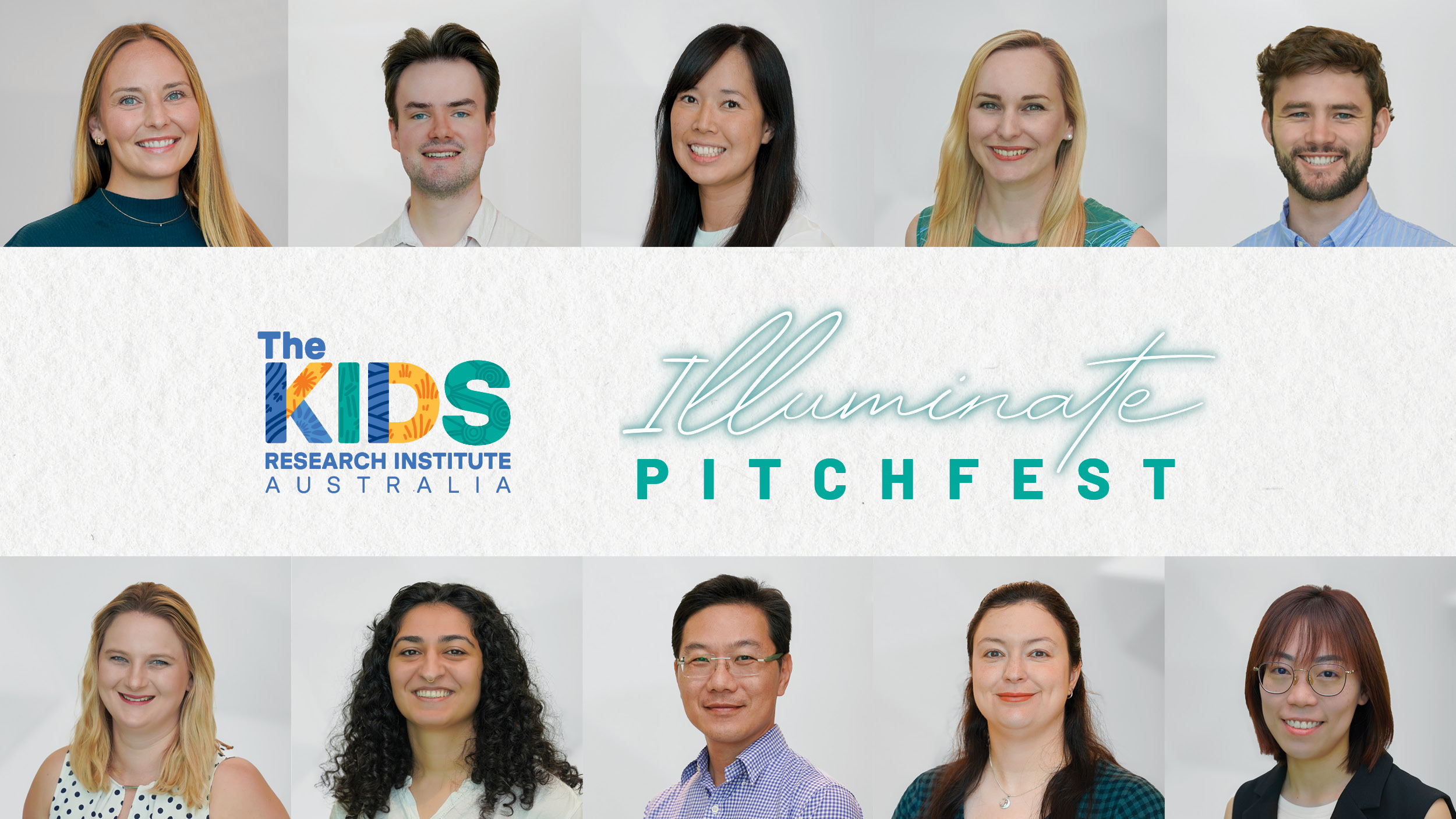
We are excited to introduce ten trailblazing researchers who will be taking to the stage this February to pitch their bold and innovative ideas to our philanthropic community.
Yael Jacinta Penelope Keely Bep Amy Helen Claire Perry Freeman Strauss Bebbington Uink Finlay-Jones Milroy McIlroy BPsych (Hons) MPsych (Clin) PhD
This study suggests that broad-spectrum protection-of-pregnancy against infection-associated inflammatory stress represents an achievable therapeutic goal
One explanation for the high burden of allergic and autoimmune diseases in industrialized countries is inappropriate immune development under modern...