
Search
Showing results for "Childhood interstitial lung disease "
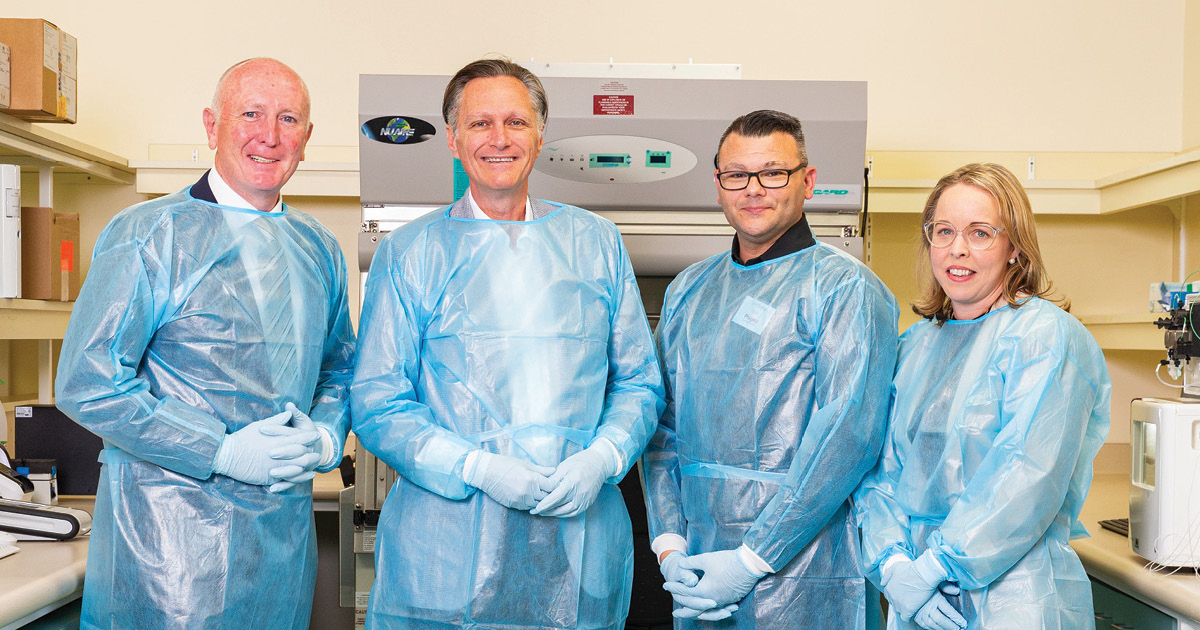
Western Australia’s first bacteriophage manufacturing facility has been opened in a significant development that brings patients battling antibiotic-resistant infections a step closer to life-saving phage therapy.
The project aims to design, test, refine and disseminate an early childhood centre intervention (Smart Start) to improve young children’s and their families’ technology use practices.
This study is looking for the causes of type 1 diabetes, so that we can find ways to prevent it. We will follow many women around Australia during pregnancy until early childhood, looking at the child's birth, environment and genes.
Principal Research Fellow
Co-Head, Aboriginal Health and Wellbeing
Program Manager, Autism Research
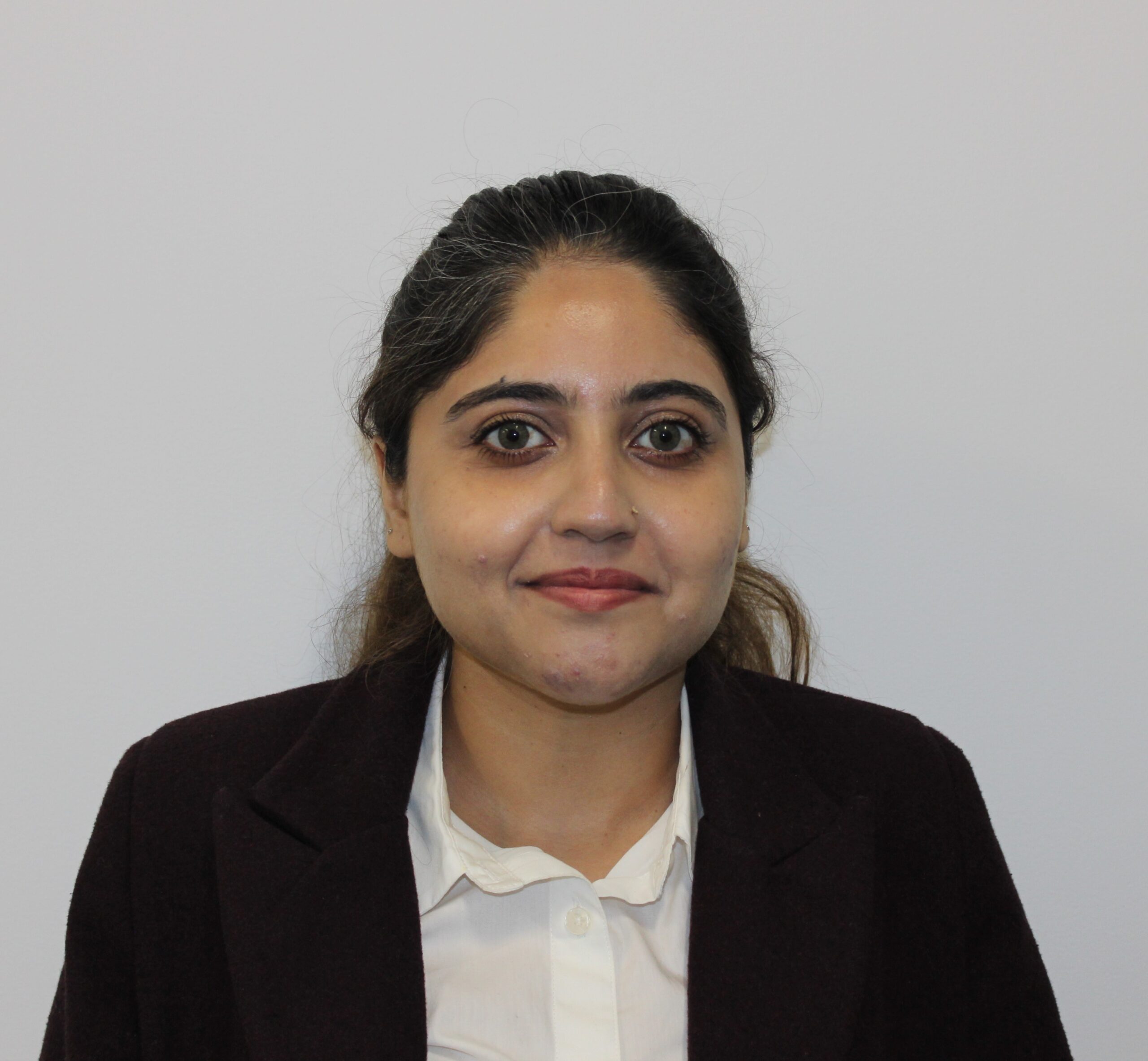
Research Assistant in the Child Physical Activity, Health & Development team at The Kids Research Institute Australia

Research Assistant PLAYCE
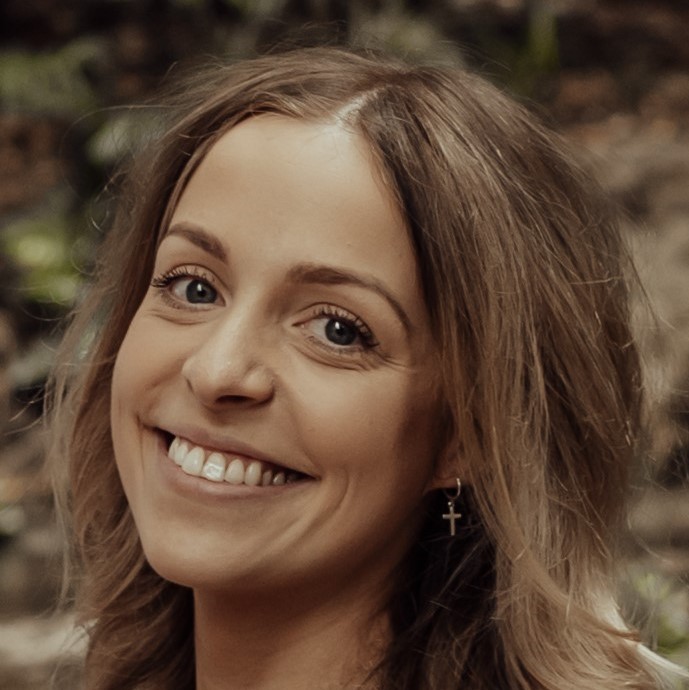
Rebecca 'Bec' Young is a research assistant on the Early Neurodevelopment and Mental Health team at The Kids Research Institute Australia.
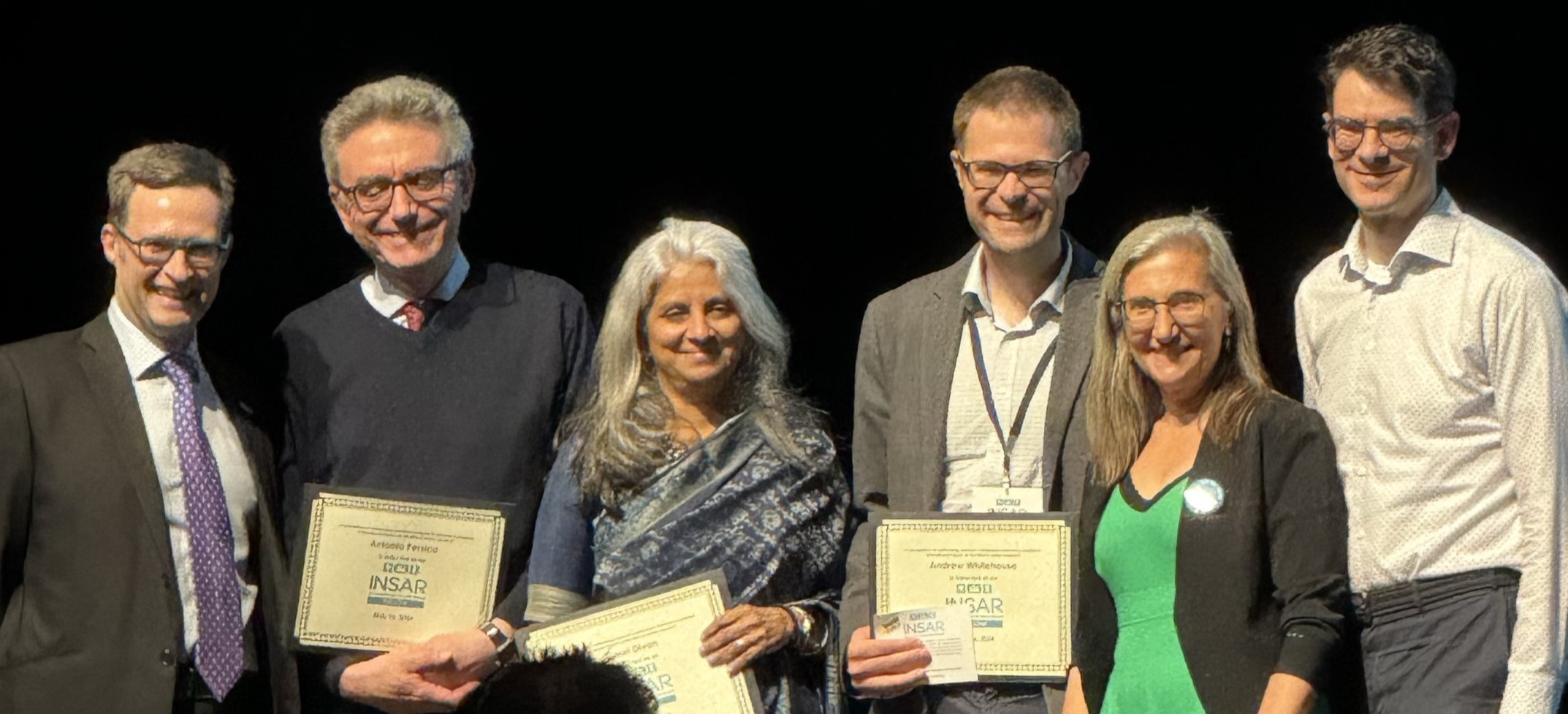
Professor Andrew Whitehouse was recently inducted as a Fellow to the International Society for Autism Research, making him just the fourth Australian to be bestowed the honour.