
Search
Showing results for "aboriginal respiratory"
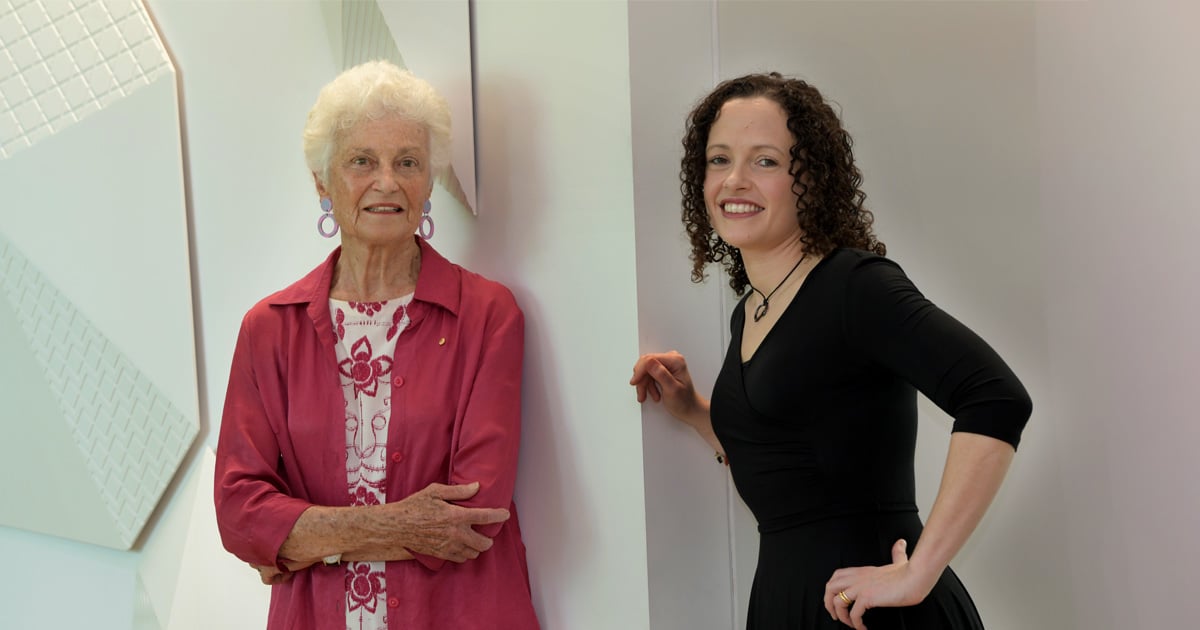
The Kids Research Institute Australia and The University of Western Australia are proud to announce the appointment of the inaugural Fiona Stanley Chair of Child Health Research, Professor Melissa Penny.
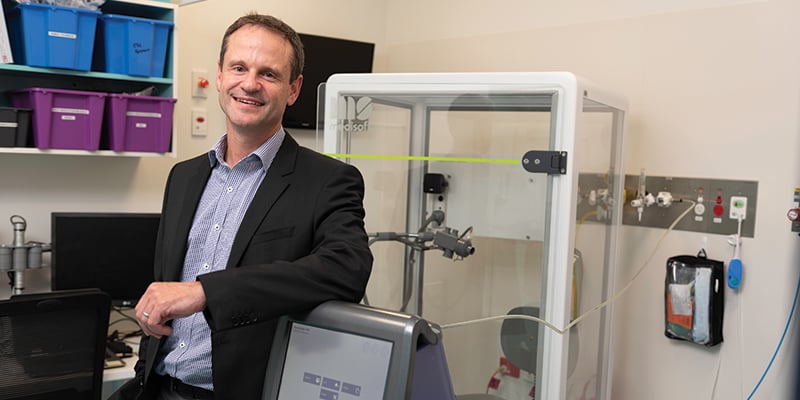
Paediatric respiratory physician and The Kids researcher André Schultz has had to wait more than a decade to test out a simple idea.
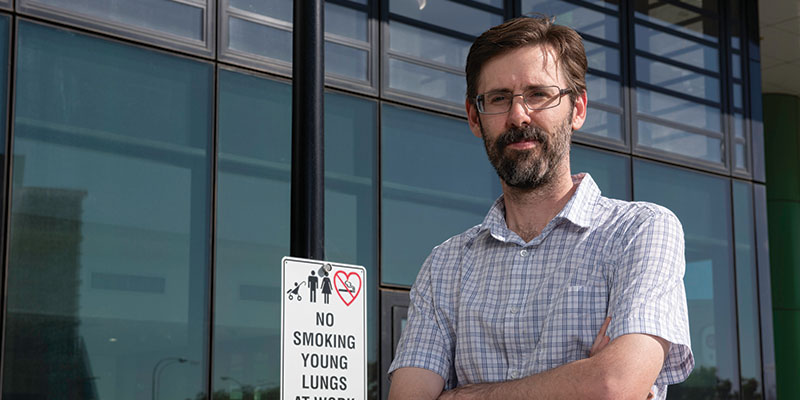
Telethon Kids Institute-led research revealing that six out of 10 nicotine free e-cigarette liquids contained nicotine and other potentially harmful chemicals.
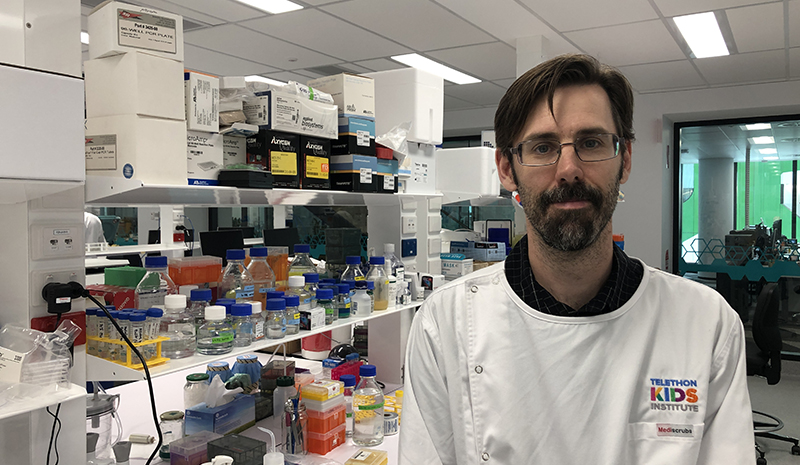
Six out of ten ‘nicotine-free’ e-cigarette liquids analysed by The Kids Research Institute Australia researchers contained nicotine as well as an acutely toxic chemical typically found in pesticides and disinfectants.
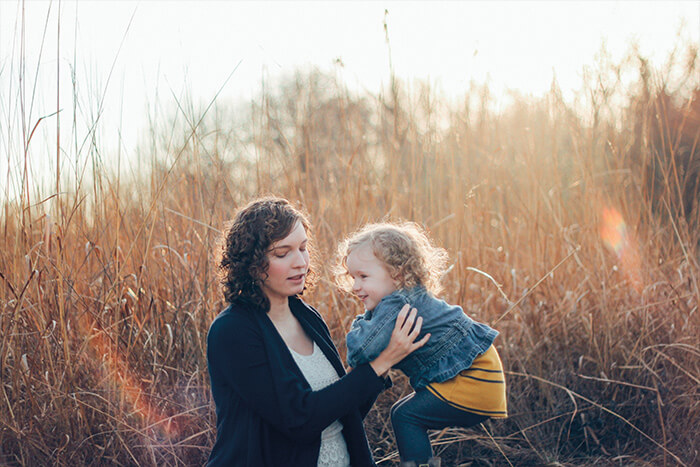
Once upon a time it was infectious diseases like polio, measles or tuberculosis that most worried parents. With these threats now largely under control, parents face a new challenge – sky-rocketing rates of non-infectious diseases such as asthma, allergies and autism.
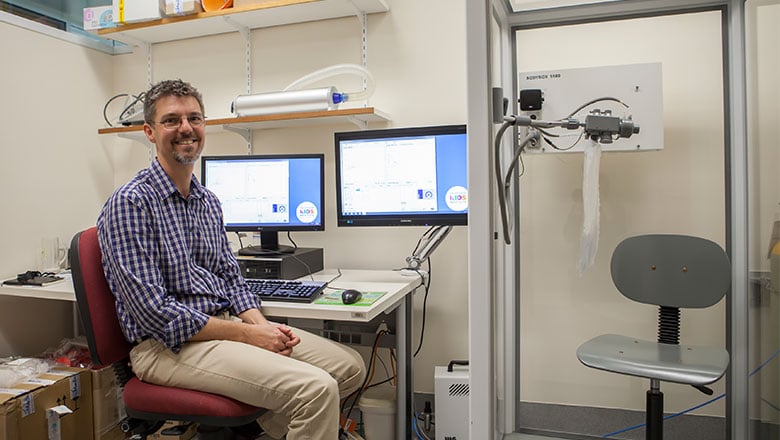
Professor Graham Hall is looking at the effect of air travel on premature babies, with his research already contributing to international guidelines.
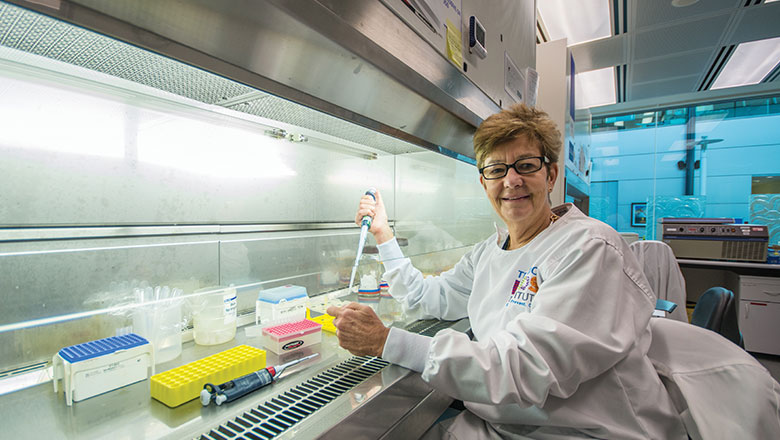
The D-Light program, set up in 2014, aims to shed light on the amount of sun exposure that will promote good health in children and adolescents.
The gap between life expectancy in patients with a mental illness and the general population has widened and reduction should focus on improving physical health
This study will test the hypothesis that the mechanisms of childhood asthma begin in the respiratory tract as early as birth.
Multiple sclerosis (MS) is an incurable condition where a person’s immune system mistakenly attacks their own brain and spinal cord.