
Search
Showing results for "early lung health"
The objective of this study was to examine the influence of aggressive behaviour scores on cardiovascular disease (CVD) risk factors throughout childhood.
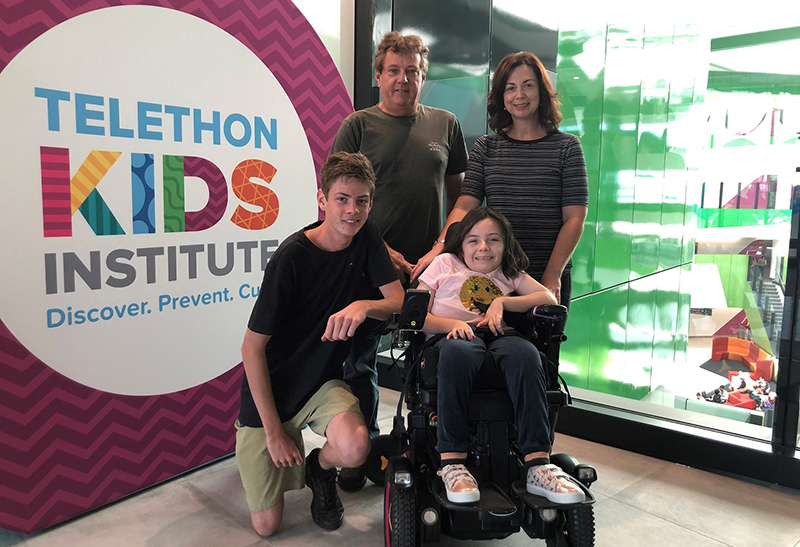
Mackenzie was 10 months old when her parents, Jodie and Scott, were given the life-changing news that their daughter would never walk.
The Kids Research Institute Australia was awarded funding to establish a whole-of-state Centre of Linked Data Analytics and Social Policy.
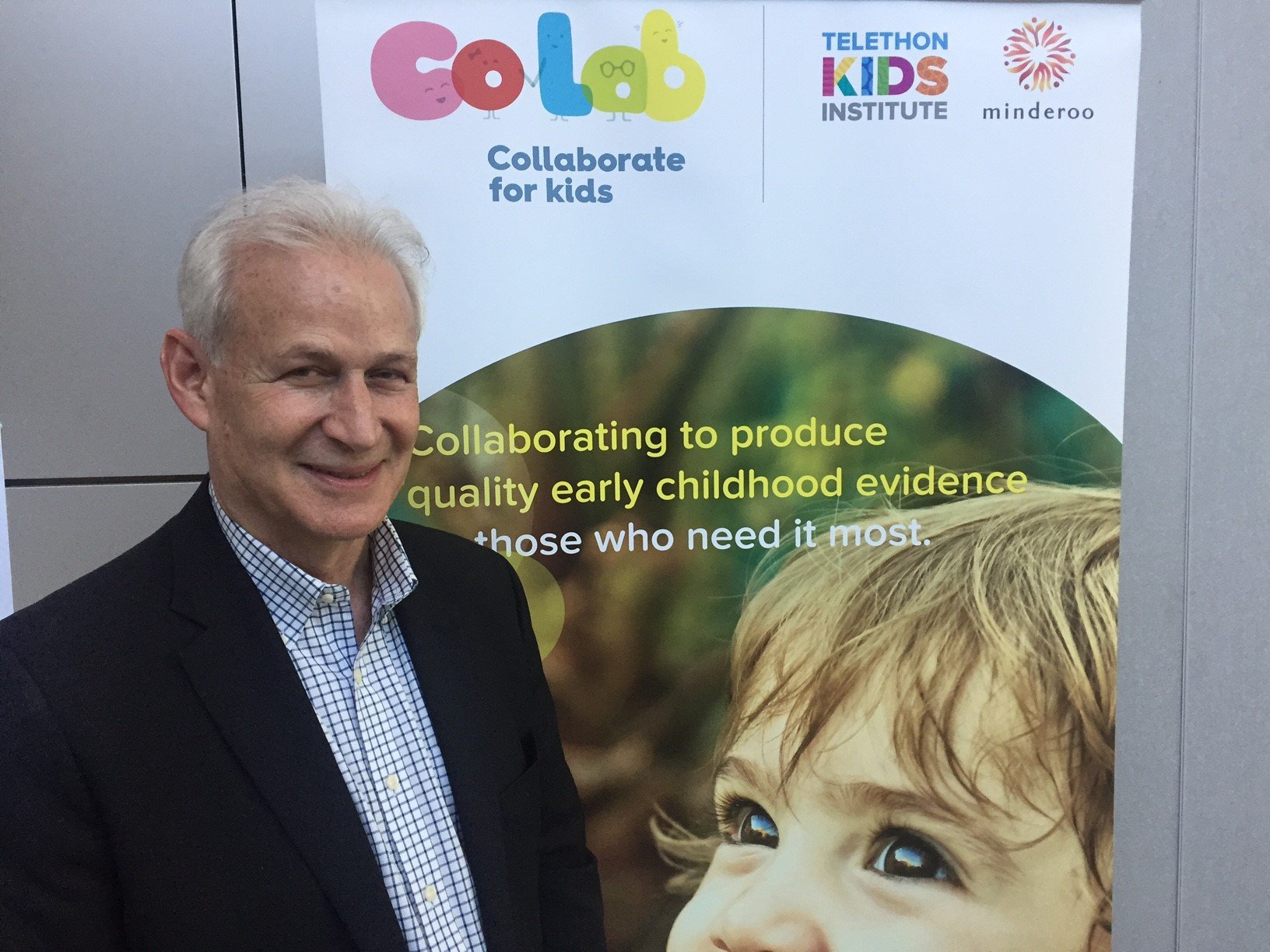
Dr Jack Shonkoff, from Harvard University is visiting Perth this week as a guest of CoLab, Goodstart Early Learning and Child Australia.
Human milk is a rich source of immunomodulatory factors that influence the development of the infant immune system, including susceptibility to allergic diseases. Among these components, milk antibodies have been extensively studied for their role in protecting against infections; however, their potential contribution to allergy prevention may be equally important. The mechanisms of protection include allergen exclusion, enhanced and targeted antigen presentation, immune modulation via shaping of the infant gut microbiome, and direct regulation of gut immune responses.

First-of-its-kind findings show that newborns exclusively fed colostrum in their first 72 hours of life were five times less likely to develop a peanut allergy by 12-18 months, and 11 times less likely to develop multiple food allergies (such as egg or cow’s milk) compared with infants who also received formula
Fighting pseudomonas aeruginosa and nontypeable haemophilus influenzae biofilms with host defence peptide as a novel step forward in the treatment of
Surfactant is a well-established therapy for preterm neonates affected by respiratory distress syndrome (RDS). The goals of different methods of surfactant administration are to reduce the duration of mechanical ventilation and the severity of bronchopulmonary dysplasia (BPD); however, the optimal administration method remains unknown.
Phage therapy is a promising approach against multidrug-resistant infections, yet systemic administration can lead to incomplete cures. We investigated the distribution, immune responses, and efficacy of the therapeutic phage KPP10 delivered via intranasal or intraperitoneal routes in murine Pseudomonas aeruginosa lung infection models.
A previous systematic review showed that intramuscular vitamin A supplementation reduced the risk of bronchopulmonary dysplasia (BPD) in very-low-birth-weight (VLBW) infants. However, more recent studies have questioned this finding.