
Search
Showing results for "Childhood interstitial lung disease "
Innate and adaptive host immune responses are fundamental for defense against streptococcal pharyngitis and are central to the clinical manifestation of disease.
In this study, invasive meningococcal disease isolates from the western seaboard of Australia, WA, were compared to those of VIC from 2008 to 2012.
Invasive Group B Streptococcus remains a leading cause of infant morbidity and mortality. Intrapartum antibiotic prophylaxis has been implemented in many countries with a reduction in early-onset disease, but an effective vaccine may further reduce the disease burden. Candidate vaccines targeting capsular polysaccharides and surface proteins are now in clinical trials.
The overarching goal of the Australian coronavirus disease 2019 (COVID-19) vaccination program has been to protect all people in Australia from the harm caused by the novel coronavirus SARS-CoV-2. This review reflects on the role of the Australian Technical Advisory Group on Immunisation (ATAGI) in the national COVID-19 vaccination program, in terms of the initial programmatic and clinical recommendations in the evolving context of evidence relating to the disease and vaccines, epidemiology, and the program rollout.
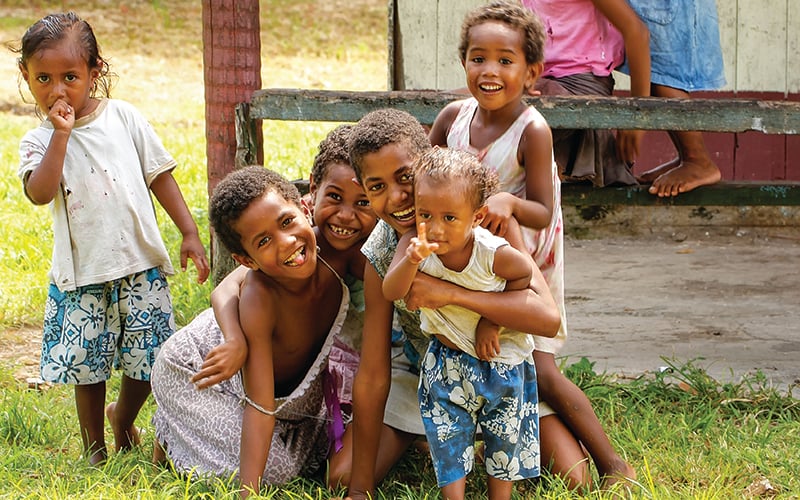
Children in the tiny Pacific nation of Tuvalu face a unique threat that should be a wake-up call to other countries across the world.

An InFocus Research Interview with Kirsten Hancock of the Human Capability Team at The Kids Research Institute Australia on multigenerational disadvantage in Australia.
Early childhood development occurs within the context of multiple environments, with a vast range of factors in these environments exerting influence on different aspects of a child’s development.

Research data from more than one million Australian and Welsh children will be examined to help better understand how the built environment affects child health and obesity, as part of an international research project to be co-led by The Kids Research Institute Australia.
About 2 per cent of children are estimated to have an intellectual disability. The cause of the condition is unknown in at least 50 per cent of cases.
A severe neurodevelopmental disorder mostly affecting girls.