
Search
Showing results for "Childhood interstitial lung disease "
The early years is a critical stage to establish optimal nutrition and movement behaviours. Community playgroups are a relaxed environment for parents with a focus on social connection and supporting parents in their role as 'First Teachers'. Playgroups are therefore an opportunistic setting to promote health behaviours in the early years.
Otitis media has a high prevalence in childhood, and grommet insertion is the most common surgical treatment for OM. The public health system in Australia faces considerable strains, including high demand for Ear, Nose and Throat specialists. Extending the scope of practice for audiologists to manage post-operative care for children receiving grommets has the potential to alleviate this burden.
Childhood outcomes following preterm birth are widely published, however long-term adult outcomes are less well described. We aimed to determine the quality of life and burden of co-morbidities experienced by preterm-born young adults in Western Australia.
Bullying behaviour often increases in late childhood and peaks in early adolescence. While interventions to address bullying behaviour typically encourage students to report bullying incidents to school staff, students are often reluctant to report incidents for fear it will worsen their situation or because they lack confidence in a staff members’ ability to intervene effectively. This study explores school staff responses to student reports of bullying behaviour.
Cerebral palsy (CP) is the most common physical disability of childhood worldwide. Historically the diagnosis was made between 12 and 24 months, meaning data about effective early interventions to improve motor outcomes are scant. In high-income countries, two in three children will walk. This evaluator-blinded randomised controlled trial will investigate the efficacy of an early and sustained Goals-Activity-Motor Enrichment approach to improve motor and cognitive skills in infants with suspected or confirmed CP.
While the majority of young people who meet the criteria for being considered at increased risk of psychosis do not go on to develop a psychotic disorder, young people are currently being identified and treated in early intervention services.
People living in poverty have insufficient household income to meet an acceptable standard of living, and are thus prevented from realising their full potential
Honorary Research Associate
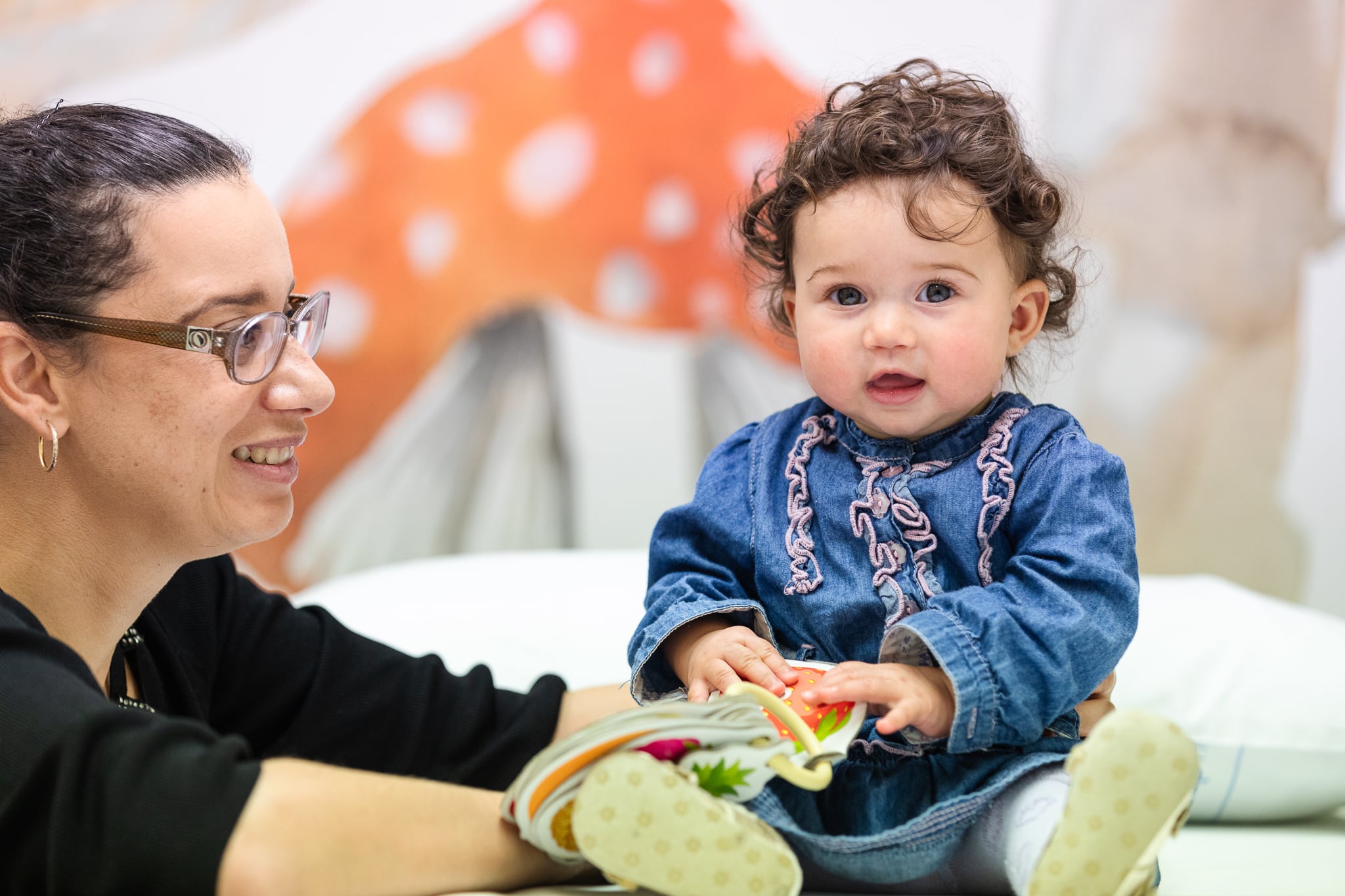
The Global Consortium of Oral Health Birth Cohort Studies (GLOBICS) is an international research network dedicated to advancing knowledge from Oral Health Birth Cohort Studies (OHBCS).
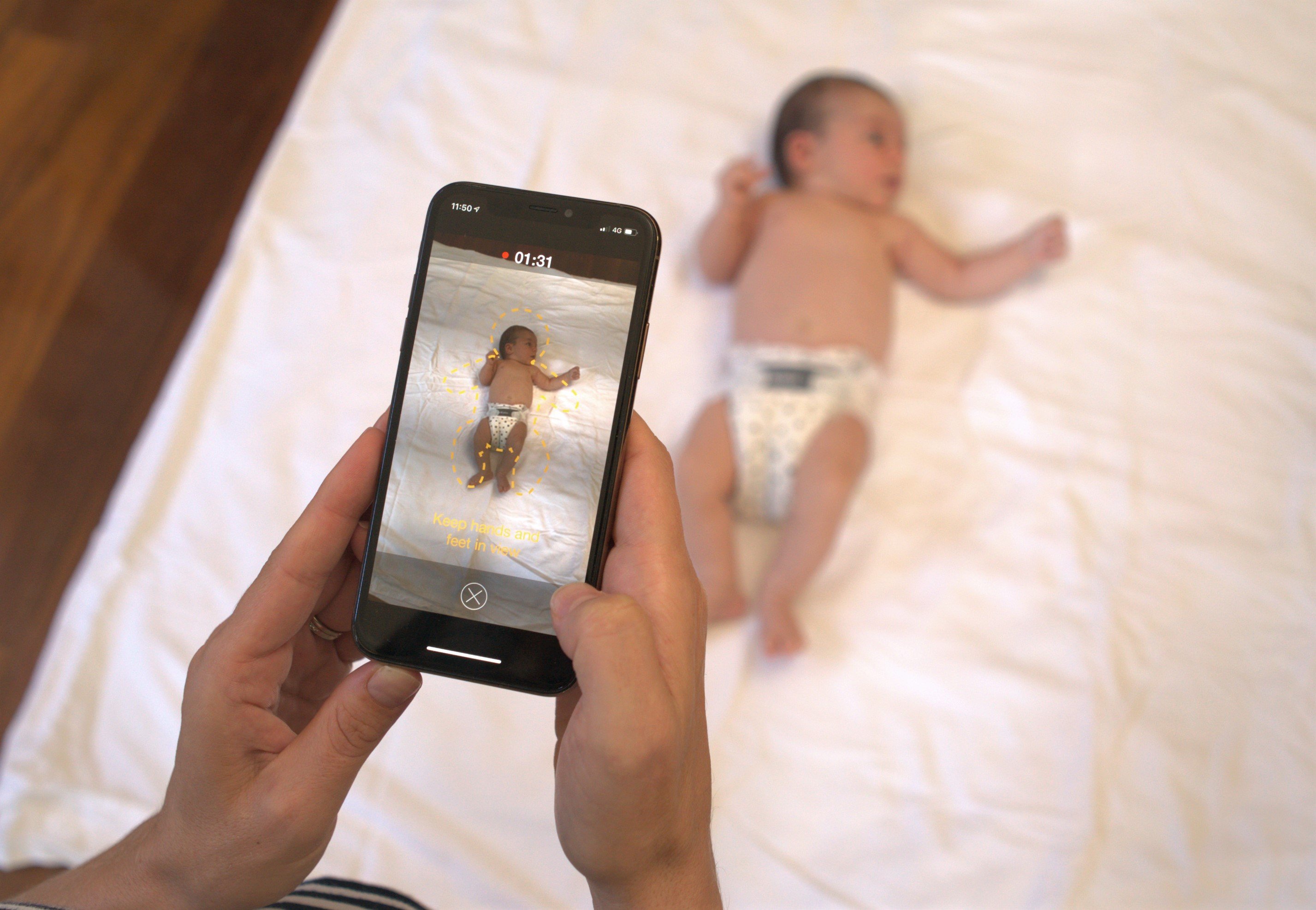
Can baby’s early movements predict learning difficulties later in childhood?