
Search
Showing results for "aboriginal respiratory"

New research from The Kids Research Institute Australia has revealed a significant link between kids with severe ADHD and higher rates of early childhood hospital admissions.
Perth children are being asked to volunteer for an important national study to test the effectiveness of an influenza vaccine in children.
MECP2 duplication syndrome is a rare disorder neurodevelopmental disorder that, unlike Rett syndrome, mostly affects boys.

ORIGINS has secured $500,000 in funding from the WA Government’s Future Health Research and Innovation (FHRI) Fund.
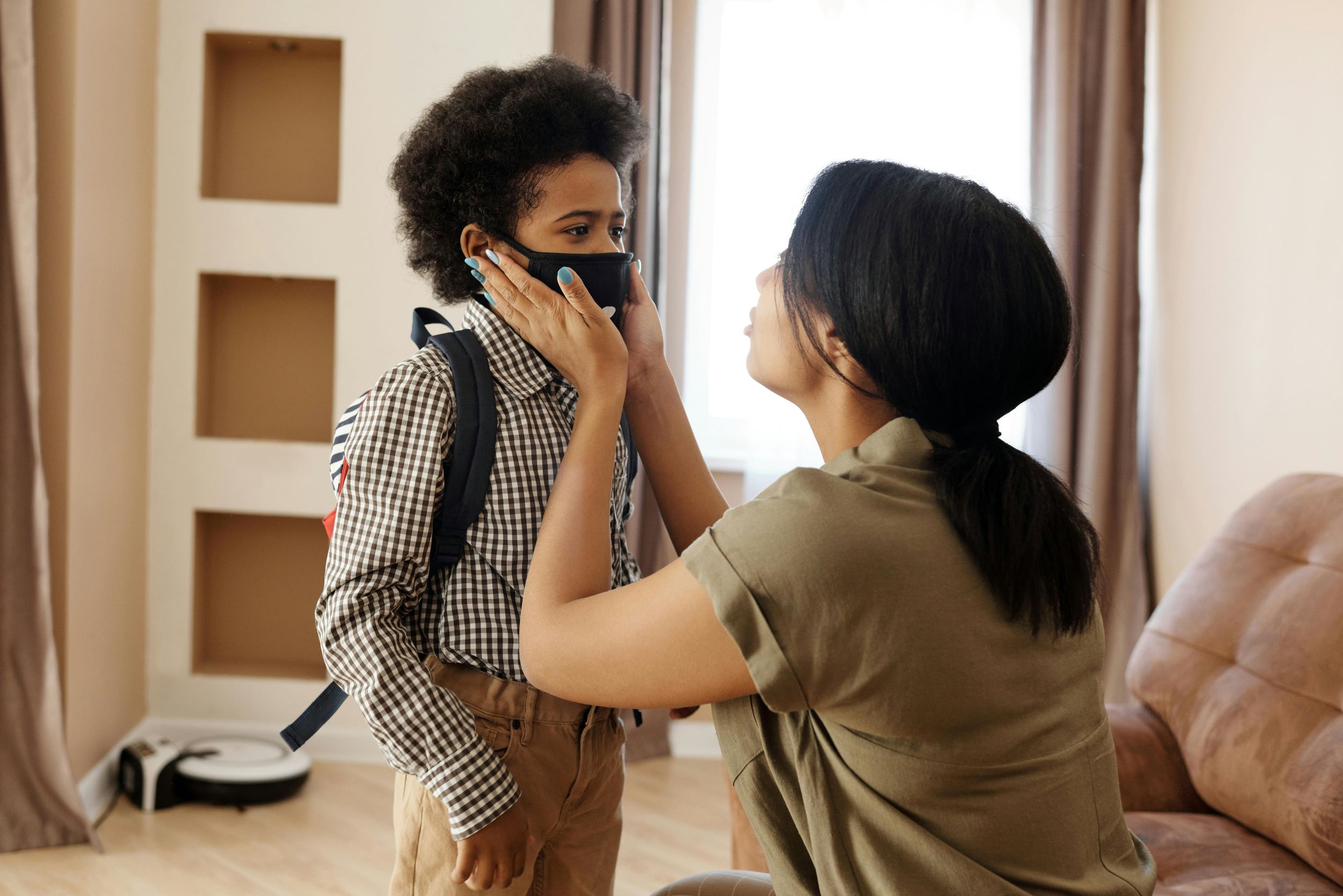
Assessing the virus transmission, immunity development and wellbeing of families during COVID-19
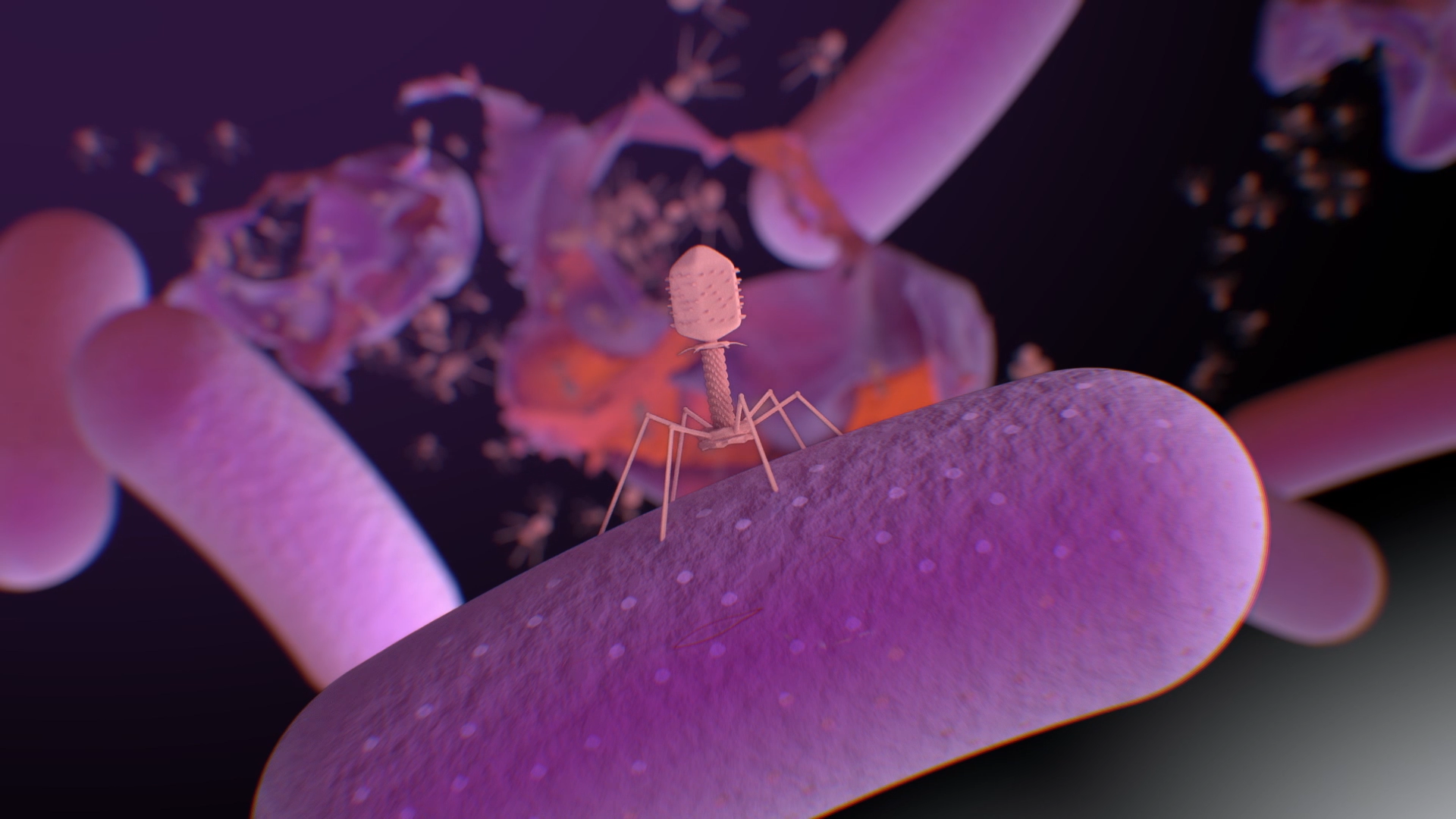
Here are some of the most common questions about phage, phage therapy and antimicrobial resistance (AMR).
The World Health Organization published the preferred product characteristics for a Group A Streptococcus (Strep A) vaccine in 2018. Based on these parameters for the age of vaccination, vaccine efficacy, duration of protection from vaccine-derived immunity, and vaccination coverage, we developed a static cohort model to estimate the projected health impact of Strep A vaccination at the global, regional, and national levels and by country-income category.
Group A Streptococcus (Strep A) is responsible for a significant global health and economic burden. The recent prioritization of Strep A vaccine development by the World Health Organization has prompted global research activities and collaborations. To progress this prioritization, establishment of robust surveillance for Strep A to generate updated regional disease burden estimates and to establish platforms for future impact evaluation is essential.
MECP2 duplication syndrome is a rare but important diagnosis in children because of the burden of respiratory illness and recurrence risk
People with two or more copies of MECP2 gene, located at Xq28, share clinical features and a distinct facial phenotype called MECP2 Duplication syndrome.