
Search
Showing results for "clinical trials"
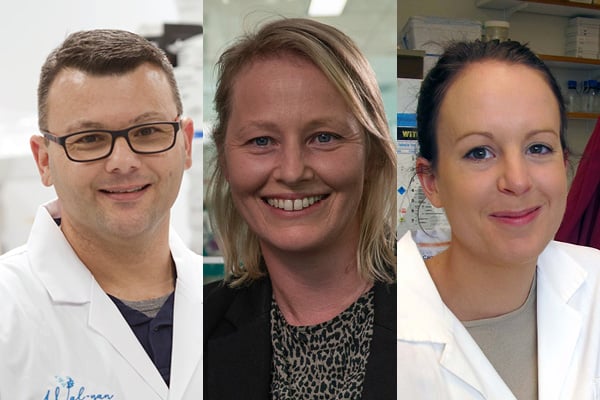
Three researchers from the Wal-yan Respiratory Research Centre will share in almost $1.8 million in grants to continue groundbreaking research to tackle childhood asthma prevention and lung disease.

There are two new faces at CliniKids, Theresa, our new Clinical Services Manager and Ally, our new Occupational Therapist.
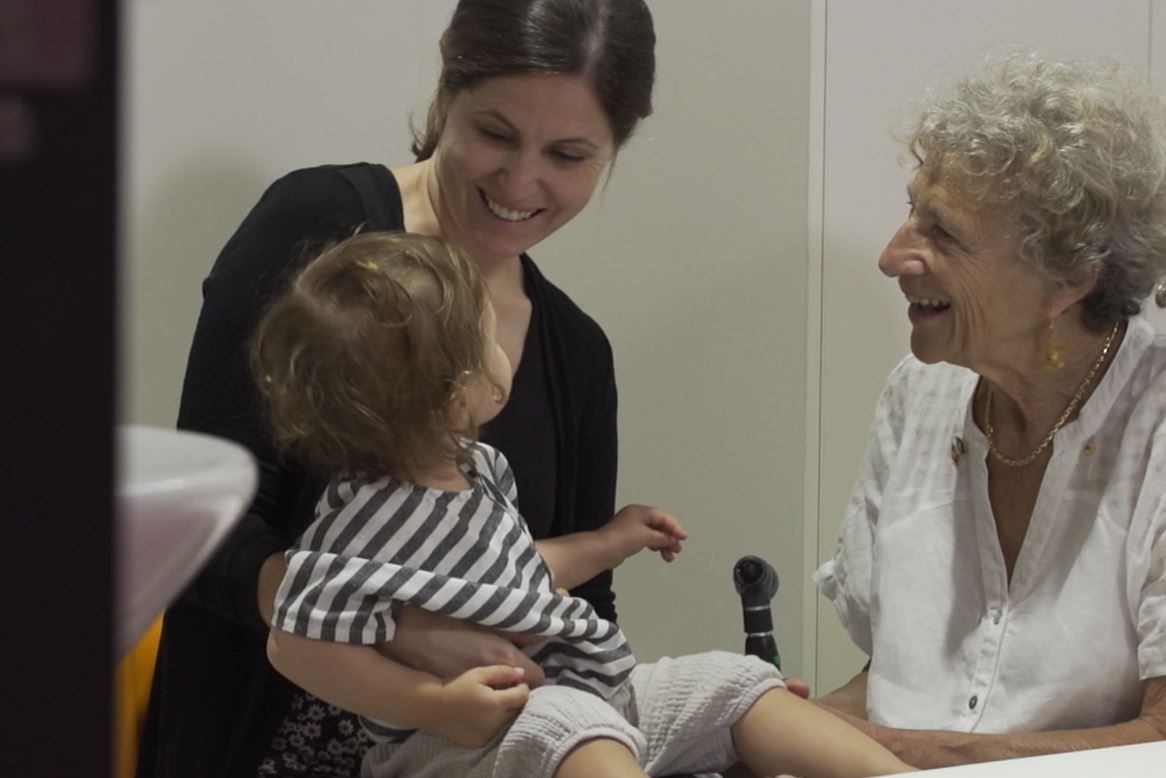
Leading infectious diseases researcher, Clinical Associate Professor Deborah Lehmann AO, has been named a finalist for the Australian Museum Eureka Prizes for her work training and mentoring a new generation of researchers.

A new research project aims to demonstrate how influenza vaccination in children could be a highly cost-effective health care intervention in Australia.
Rett syndrome is a severe neurodevelopmental disorder mainly affecting females and scoliosis is a common co-morbidity. Spinal fusion may be recommended if...
Multiplex ligation-dependent Probe Amplification (MLPA) has become available for the detection of a large deletion on the MECP2 gene.
The aim of this project is to develop and test a series of modules to promote mental health among young people with chronic conditions, using a positive psychology framework.
Self-regulatory difficulties in infants (difficulty soothing and sleeping) tells us that the infant may be at risk of developing a range of physical and mental health difficulties in later life.

By investigating the way that breastmilk guides children’s immune trajectory, we provide evidence-based recommendations for the development of happy healthy kids

Deputy Director Andrew Whitehouse and Head of Autism / Senior Principal Research Fellow, David Trembath explore how the evolving definition of autism may affect the identification and support of autistic people, particularly those with the highest support needs. Published by The Conversation on the 14th May 2026.