
Search
Showing results for "early lung health"
Each day of school missed makes a difference, with the effect on learning accumulating over time. From an early age, if children are taught that they need to 'show up' for school and make a commitment, this positive mentality aids academic and career success and brings benefits in adulthood.
Jonathan Asha Dylan Rosemary Janessa Jeffrey Carapetis AM Bowen Barth Wyber Pickering Cannon AM MBBS FRACP FAFPHM PhD FAHMS BA MBBS DCH FRACP PhD
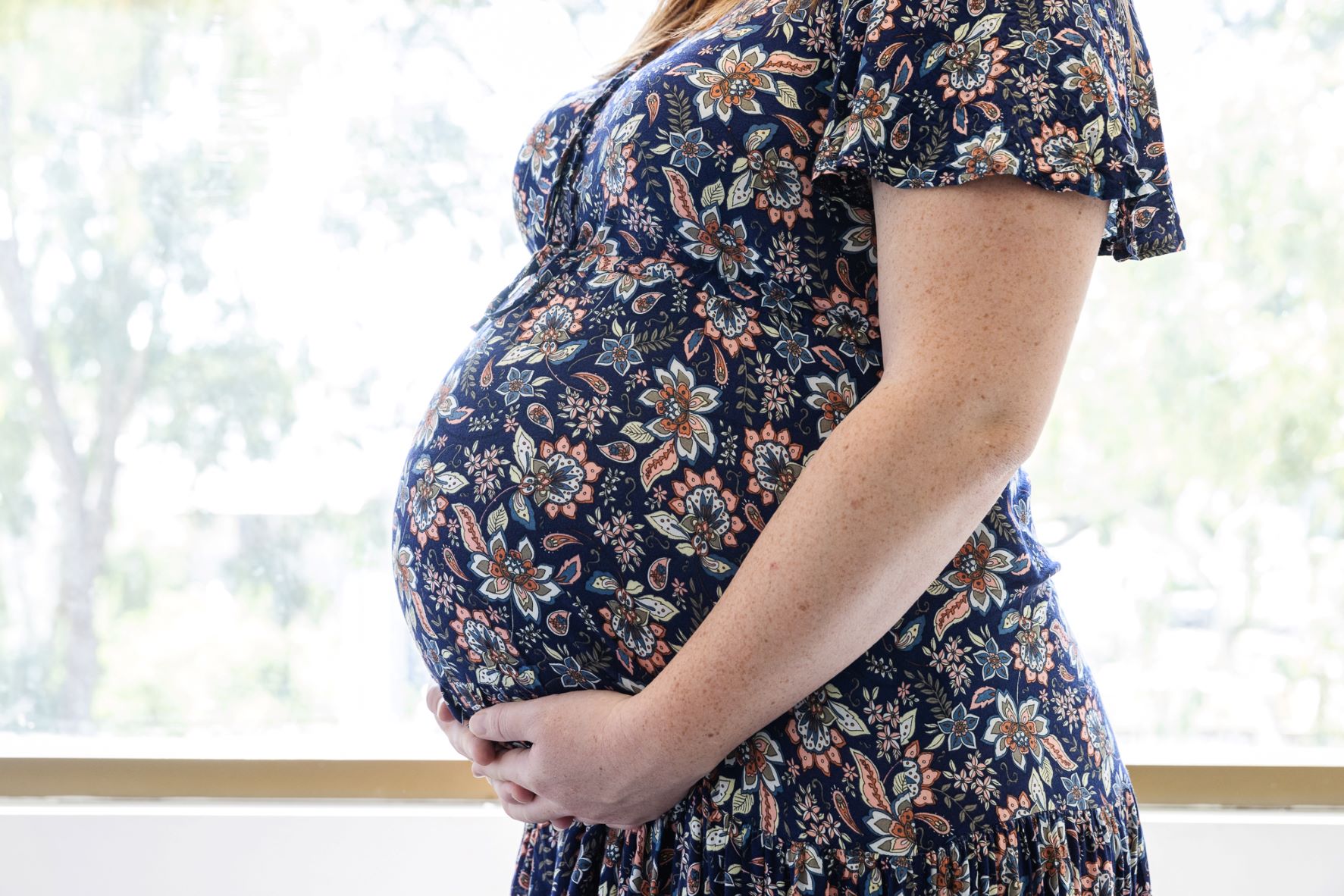
This research focuses on understanding how maternal health, lifestyle, and fertility influence pregnancy outcomes and the early development of children.
The ‘Ngangk Ngabala Ngoonda (Sun Safety) of Aboriginal young mob of WA’ is a community-led project that aims to identify the sun safety needs and strengthen sun safety knowledge of Aboriginal Children and Young People in Western Australia.
LGBTIQA + people experience intimate partner violence (IPV) at higher rates than non-LGBTIQA + people but under-utilize professional support services, and the reasons for this are poorly understood. This study examined IPV experiences, recognition of IPV, service utilization, and support needs among a self-selected sample of 523 LGBTIQA + adults in Western Australia.
While benefits of involving consumers in research are well established, bereaved parents face unique challenges, and descriptions of their experiences with co-designed stillbirth research are lacking. The collective experience of ‘Project Engage’ involved co-designing resources to support bereaved parents’ involvement in research.
PhD Candidate and Research Assistant
The current study sought to further investigate in 91 English-speaking typically developing children and 30 children with specific language impairment...

While individual diseases are rare, as a group, rare diseases are common. Recent estimates suggest that between 3% and 6% of the world’s population are affected by rare disease.
In honour of International Day of Women and Girls in Science, we celebrate women in STEM and their incredible contributions to the field, aiming to inspire the next generation of female scientists.