
Search
Nasopharyngeal colonisation with nontypeable Haemophilus influenzae (NTHi) is associated with development of infections including pneumonia and otitis media. The 10-valent pneumococcal conjugate vaccine (PCV10) uses NTHi Protein D (PD) as a carrier. Papua New Guinean children have exceptionally early and dense NTHi carriage, and high rates of NTHi-associated disease.
A search strategy was developed to identify tools used to evaluate standard and teleaudiology hearing aid rehabilitation services for adults. A seven-domain hearing-health-care service model for validation was defined and used to analyse the applicability and suitability of patient- and service-centred tools. This model and the applicability and suitability criteria were based on the literature, the International Classification of Functioning (ICF) framework, and gold standard professional practice guidelines, which together formed the validation framework used in this study.
Maternal immunization with pneumococcal conjugate vaccine (PCV) may protect young infants in high-risk settings against the high risk of pneumococcal infections in early life. The aim of this study was to determine the safety and immunogenicity of 13-valent PCV (PCV13) in healthy women of childbearing age in PNG.
This is a protocol for a Cochrane Review (intervention). The objectives were to assess the efficacy and safety of whole‐cell pertussis (wP) vaccinations in comparison to acellular pertussis (aP) vaccinations in early infancy for the prevention of atopic diseases in children.

Check out our top tips for travelling with an ear infection so that the kids can fly safely and hit the pool in no time.

Researchers have found kids who experience repeat ear infections in infancy have a much higher risk of ongoing problems with ear infections in later childhood
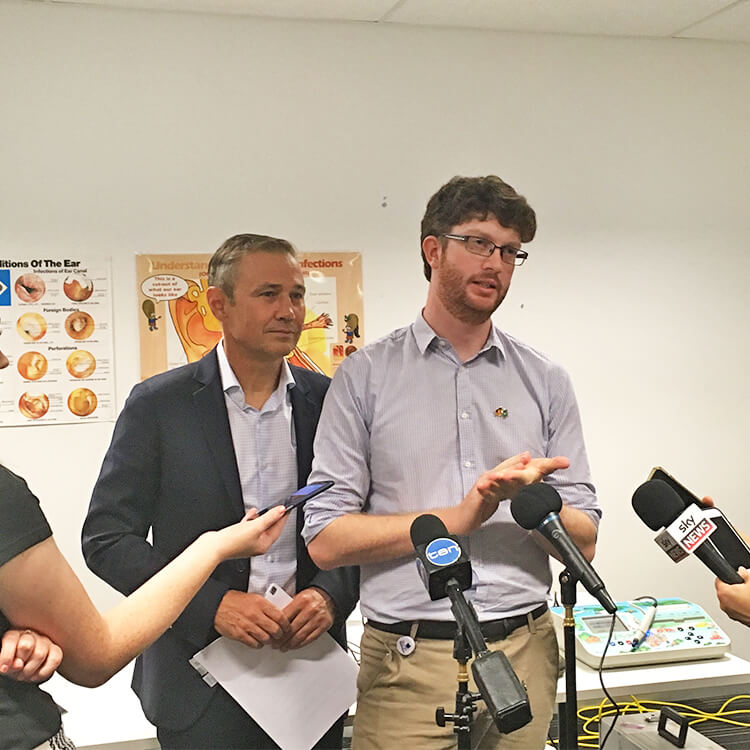
Wait times for Aboriginal children suffering ear infections could be reduced to less than four weeks thanks to a new The Kids Research Institute Australia research project
School-based social risk processes in the lives of young people with chronic health conditions are likely to contribute to risk of psychological problems
This Cochrane review shows that both hearing aids and sound generators may be beneficial for reducing tinnitus severity in some patients
Appointment attendance is influenced by some factors modifiable by the clinician, including providing better education