
Search
Showing results for "early lung health"
Andrew Videos Whitehouse Watch and listen to Andrew PhD Deputy Director (Research); Angela Wright Bennett Professor of Autism Research at The Kids
nfants with frequent viral and bacterial respiratory infections exhibit compromised immunity to routine immunizations. They are also more likely to develop chronic respiratory diseases in later childhood. This study investigated the feasibility of epigenetic profiling to reveal endotype-specific molecular pathways with potential for early identification and immuno-modulation.
Mild traumatic brain injury (mTBI) is a complex injury with heterogeneous physical, cognitive, emotional and functional outcomes. Many who sustain mTBI recover within 2 weeks of injury; however, approximately 10%-20% of individuals experience mTBI symptoms beyond this 'typical' recovery timeframe, known as persistent post-concussion symptoms (PPCS). Despite increasing interest in PPCS, uncertainty remains regarding its prevalence in community-based populations and the extent to which poor recovery may be identified using early predictive markers.
This project provides guidance to help school leaders review the evidence for different programs, as well as a review of universal, evidence-based pre-school and school-based social and emotional learning programs available in Australia.
Anxiety commonly co-occurs in autism. Exploring and understanding potential underpinning mechanisms contributing to and maintaining anxiety in the early years is important in managing anxiety. Intolerance of uncertainty (IU), a tendency to find uncertainty difficult, is a transdiagnostic mechanism contributing to anxiety, but little is known about how IU may be experienced in young children on the autism spectrum. This study investigated parental perspectives of children's experiences of uncertainty.

Head, Child Disability

We are honoured to bestow upon Fiona an Honorary Life Membership of this Institute as a reflection of our great respect, love and thanks.
CDKL5 deficiency disorder presents as a challenging condition with early-onset refractory seizures, severe developmental delays, and a range of other neurological symptoms. Our study aimed to explore the benefits and side effects of anti-seizure medications in managing seizures among individuals with CDKL5 deficiency disorder, drawing on data from the International CDKL5 Disorder Database.
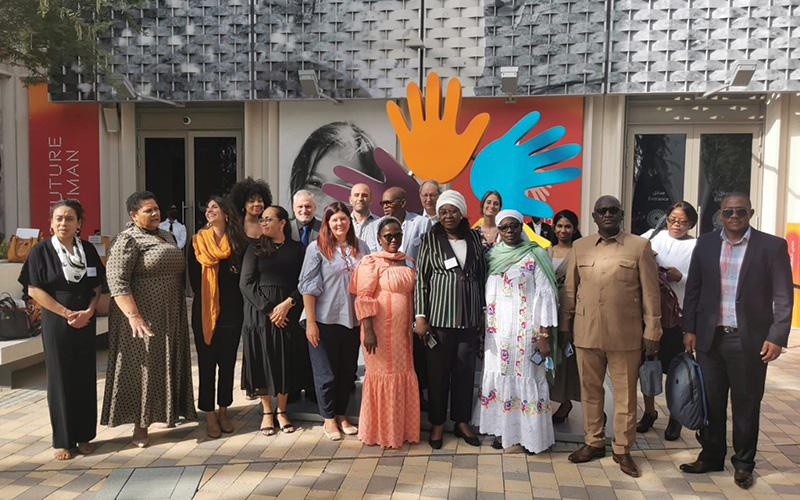
A powerful data tool developed by international child development researcher Professor Sally Brinkman and former research assistant Tom Brown could improve early childhood support for children around the world after being launched in Dubai this year.
Bullying is now regarded as a health problem and not just a disciplinary problem. Increasing evidence shows both traditional bullying (e.g. hitting, teasing) and cyberbullying have lasting effects on young people (both those who bully and those who are bullied), including damage to self-esteem, academic results and mental health.