
Search
Showing results for "aboriginal respiratory"
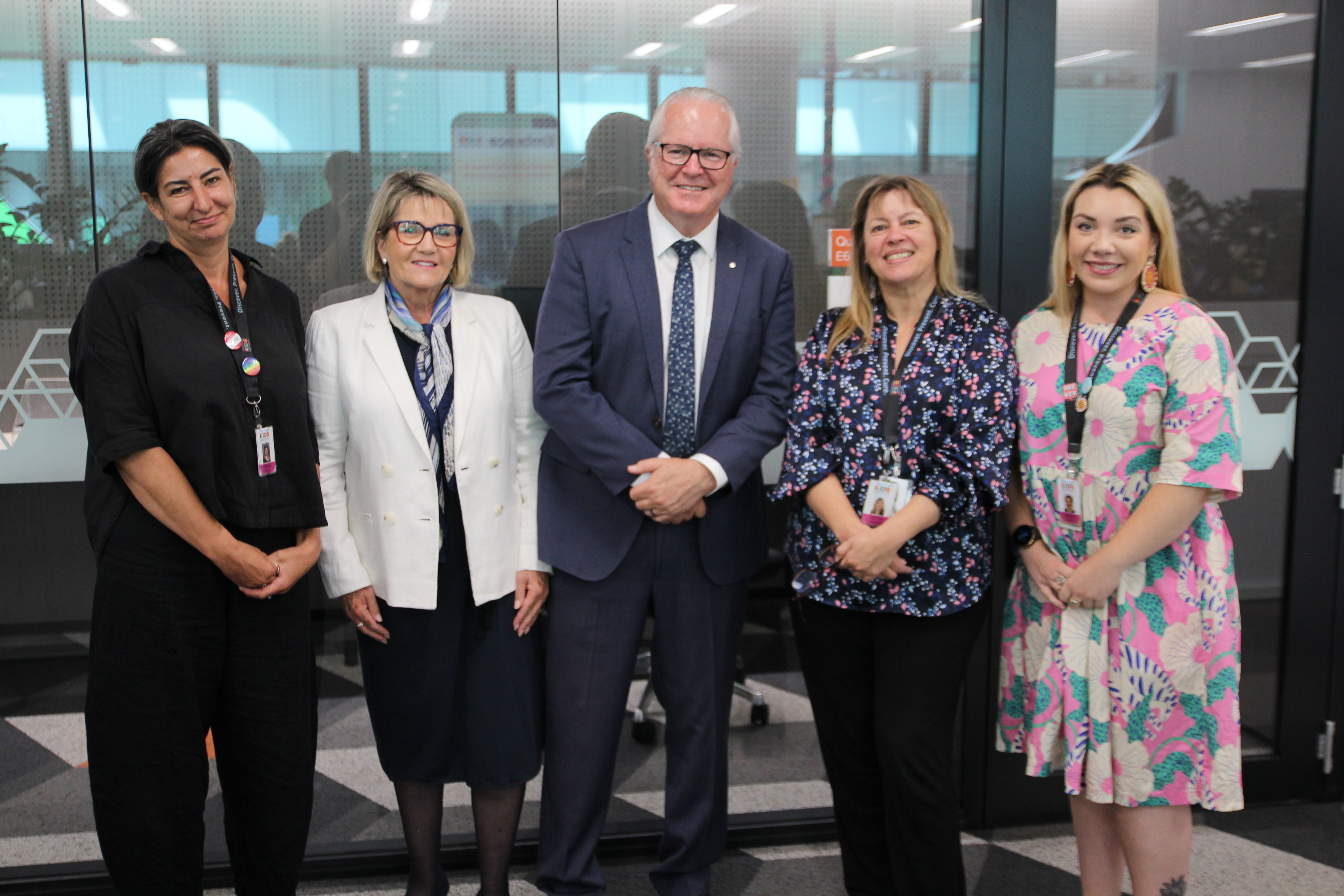
WA Governor Chris Dawson invites further youth mental health research
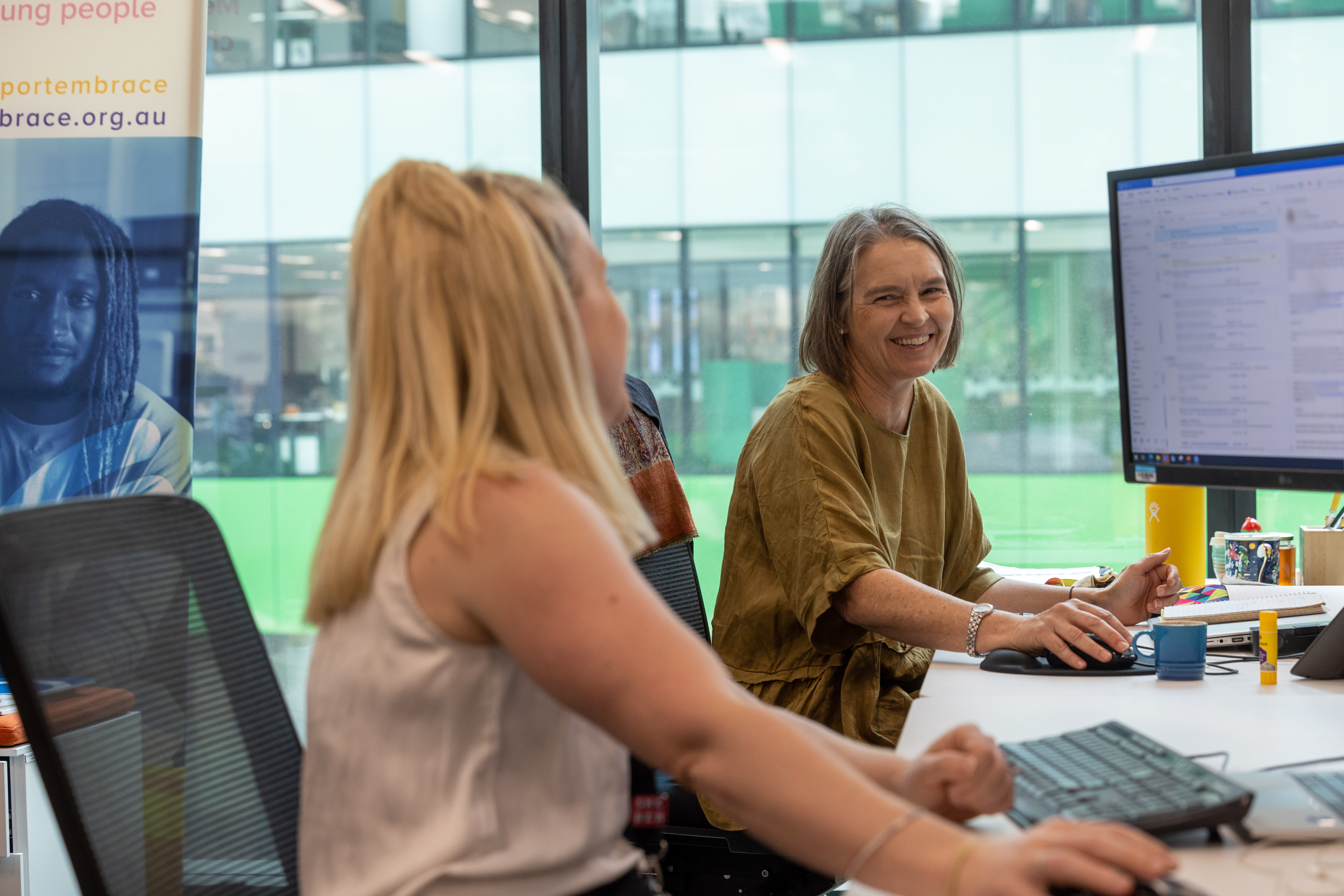
Embrace at The Kids Research Institute Australia has identified the top 10 unexplored infant, child and youth mental health research priorities in consultation with the Western Australian community.
At The Kids, every element that enables or facilitates researchers to focus on their important work, is part of the shared 'research platform'. Learn more.
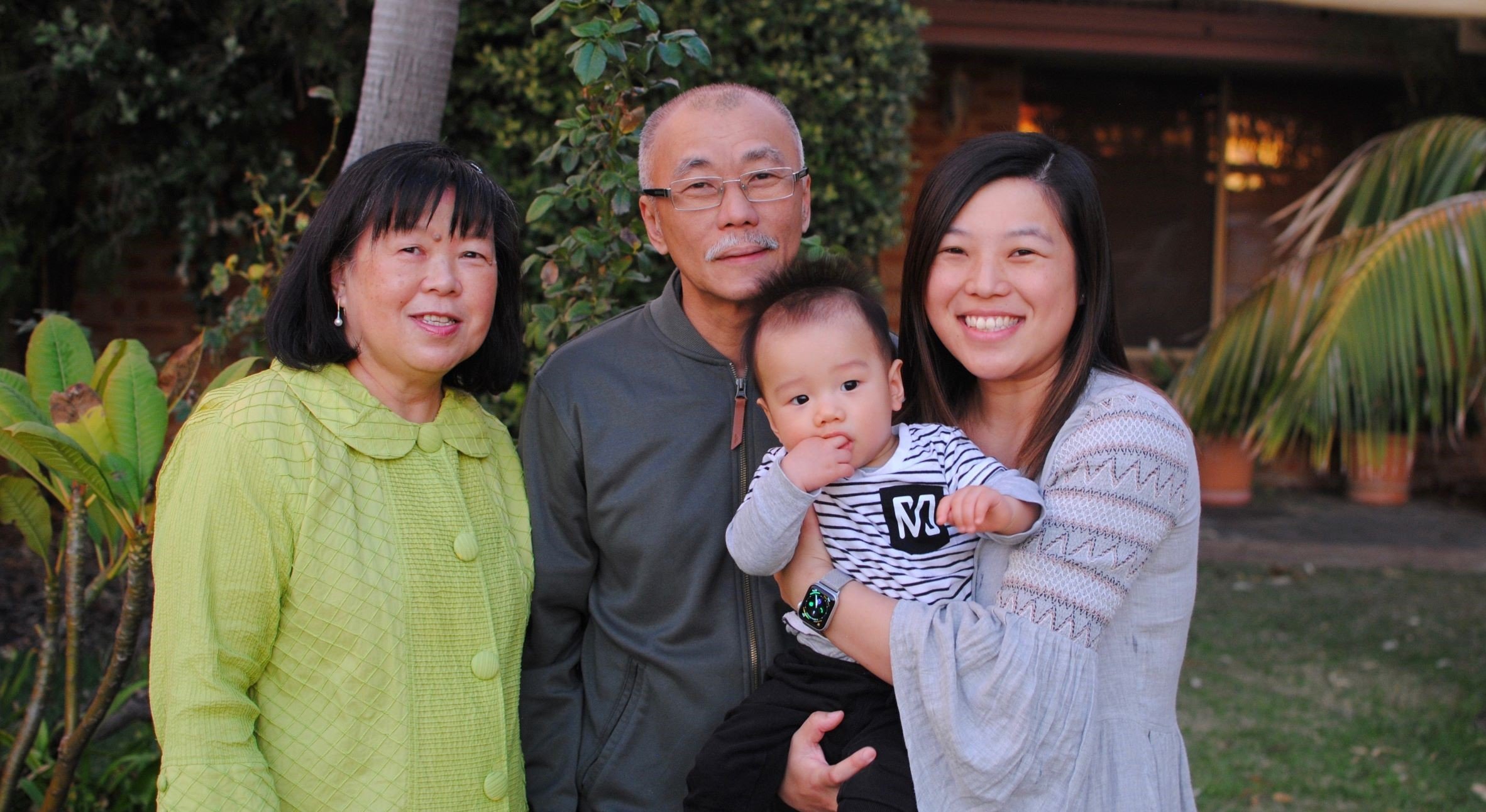
Between 1989 and 1991, almost 3,000 WA babies were recruited to the Raine Study - an ambitious research project which would yield a series of paradigm-shifting findings that changed scientific thinking. Three decades on, it has also changed the lives of those taking part.
Estimates were calculated for disease and injury incidence, prevalence, and YLDs using GBD 2010 methods with some important refinements.

We are pleased to announce latest recipients of the Stan and Jean Perron Awards, that recognise the work of exceptional postgraduate students who are undertaking their research projects at The Kids Research Institute Australia.
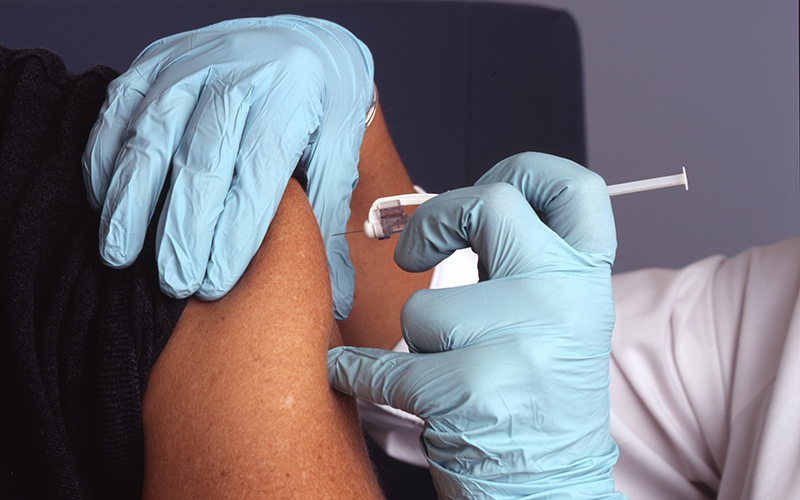
A world-leading international trial examining the immune boosting benefits of the tuberculosis vaccine, BCG, has found it does not protect healthcare workers against COVID-19.
Young men aged 18-25 years are at disproportionately increased risk for gambling problems compared to their older or female counterparts. The unique mechanisms that precipitate these problems in this group remain unclear. Data from the largest longitudinal cohort study on Australian men's health (the Ten to Men Study) were used to identify the psychosocial, health-related, and gambling-related behavioral predictors of problem gambling severity in 265 young men aged 18-25 years. Hierarchical multiple ordinal logistic regression analyses found these predictors to explain a moderate proportion of variance in problem gambling severity.
This study aims to understand the experience and impact of the initial COVID-19 lock-down in young families with children aged below 4 years. Free text questions were administered to participants in the ORIGINS (Australia) and Born in Bradford (UK) cohort studies to collect qualitative information on worries, concerns and enjoyable experiences during the pandemic.
Medulloblastoma is the most common malignant childhood brain tumor, and 5-year overall survival rates are as low as 40% depending on molecular subtype, with new therapies critically important. As radiotherapy and chemotherapy act through the induction of DNA damage, the sensitization of cancer cells through the inhibition of DNA damage repair pathways is a potential therapeutic strategy.