
Search
Showing results for "early lung health"
Little is known about how or when language and visuospatial processing lateralise in the brain, and if individual differences in lateralisation are related to early language or visuospatial abilities. We explored if patterns of language and visuospatial lateralisation are related to cognitive skills in young children.
Acute rheumatic fever (ARF) is a multiorgan inflammatory disorder that results from the body's autoimmune response to pharyngitis or a skin infection caused by Streptococcus pyogenes (Strep A). Acute rheumatic fever mainly affects those in low- and middle-income nations, as well as in indigenous populations in wealthy nations, where initial Strep A infections may go undetected.
Head lice is an ectoparasitic skin infection commonly seen in primary school-aged children. In remote Australia, where rates of other skin infections and downstream sequelae are endemic, the rate of head lice infestation is unknown.
Diarrhoeal disease is the second leading cause of death in children under 5 years globally, killing 525 000 annually. Australian Aboriginal and Torres Strait Islander (hereafter Aboriginal) children suffer a high burden of disease.

ORIGINS sub-projects investigating the impact of the physical environment and lifestyle on health, development and chronic conditions.
CDKL5 deficiency disorder (CDD) is a rare developmental and epileptic encephalopathy. Greater understanding of the smallest meaningful improvements for individuals with CDD in clinical trials and practice is needed for a person-centred approach to treatment efficacy. This study explored how parent/caregivers of people with CDD understood meaningful improvements and described change for priority functional domains including communication, gross motor, fine motor, feeding.
CDKL5 deficiency disorder is a rare and severe developmental and epileptic encephalopathy that has profound effects on communication. It is essential that communication be measured accurately for upcoming gene therapy trials. The Communication Inventory Disability-Observer Reported was developed from a framework of communication derived from parent/caregiver interview data in consultation with disability and communication experts, and after reviewing concepts in existing measures.
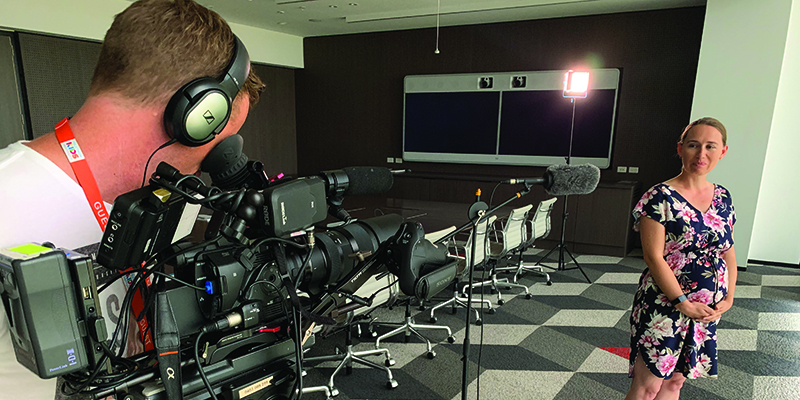
A screening tool to help midwives and other health professionals contribute to the prevention of FASD is changing maternity practice across WA public hospitals.
As families increase their use of mobile touch screen devices (smartphones and tablet computers), there is potential for this use to influence parent-child interactions required to form a secure attachment during infancy, and thus future child developmental outcomes. Thirty families of infants (aged 9-15 months) were interviewed to explore how parents and infants use these devices, and how device use influenced parents' thoughts, feelings and behaviours towards their infant and other family interactions.
Asha Jonathan Bowen Carapetis AM BA MBBS DCH FRACP PhD GAICD FAHMS OAM AM MBBS FRACP FAFPHM PhD FAHMS Head, Healthy Skin and ARF Prevention Co-Head,