
Search
Showing results for "mental health aboriginal"
Development of vaccines to prevent disease and death from Streptococcus pneumoniae, and nontypeable Haemophilus influenzae (NTHi), the main pathogens that cause otitis media, pneumonia, meningitis and sepsis, are a global priority.
Despite education about the risks of excessive sun exposure, teenagers in Australia are sun-seeking, with sunburn common in summer. Conversely, some regular (time-limited) exposure to sunlight (that avoids sunburn) is necessary for vitamin D and healthy bones and other molecules important for immune and metabolic health. New interventions are thus required to better support teenagers to make healthy and balanced decisions about their sun behaviors.
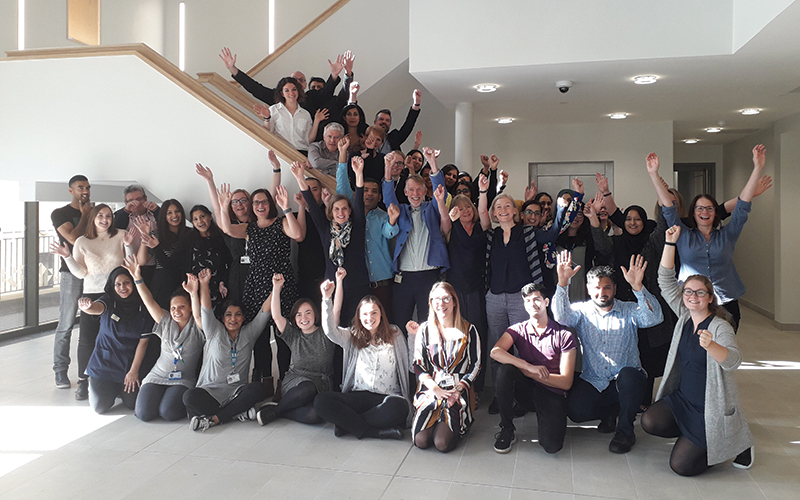
Researchers leading WA’s landmark ORIGINS Project have spearheaded a global network that will see them join forces with similar interventional cohort studies across the world to maximise data collection and learnings for
Engaging young people in sun safety messaging is important because they are vulnerable to the harmful long-term effects of too much sun exposure.

Browse the published work of the Centre's researchers
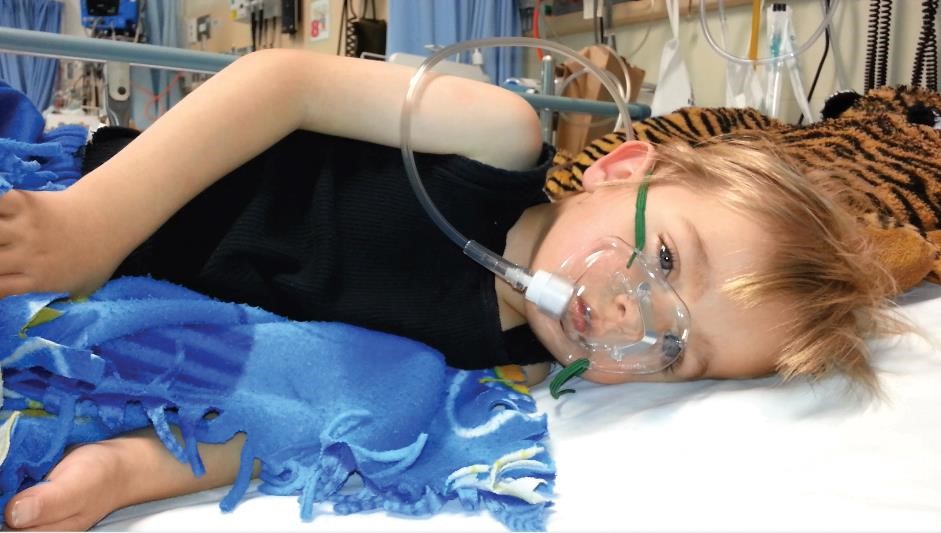
An ambitious project that could stop children developing asthma is the centrepiece of a new world-class respiratory research centre launched in Perth.
These data highlight the importance of recognising Sporotrichosis in children outside an outbreak setting
This map illustrates extensive consultations that have taken place with Aboriginal and Torres Strait Islander peoples on the topic of suicide.
On this Research Impact page, learn about our work that's actively translated as Government policy or in active practice. Learn how our research is making a difference in people's lives - not tomorrow, next week, or next year - but today!
Stopping Acute Rheumatic Fever Infections to Strengthen Health