
Search
Showing results for "Childhood interstitial lung disease "
The objective of this study was to estimate the overall and cause specific mortality of Aboriginal offenders in New South Wales (NSW), Australia.

The Kids Research Institute Australia supports calls from the Intergovernmental Panel on Climate Change (IPCC) for transformational action if we are to secure a liveable future.

Telethon Kids Institute-led research revealing that six out of 10 nicotine free e-cigarette liquids contained nicotine and other potentially harmful chemicals.
Post kala-azar dermal leishmaniasis (PKDL) is a cutaneous form of disease that develops at variable times after individuals have received treatment.
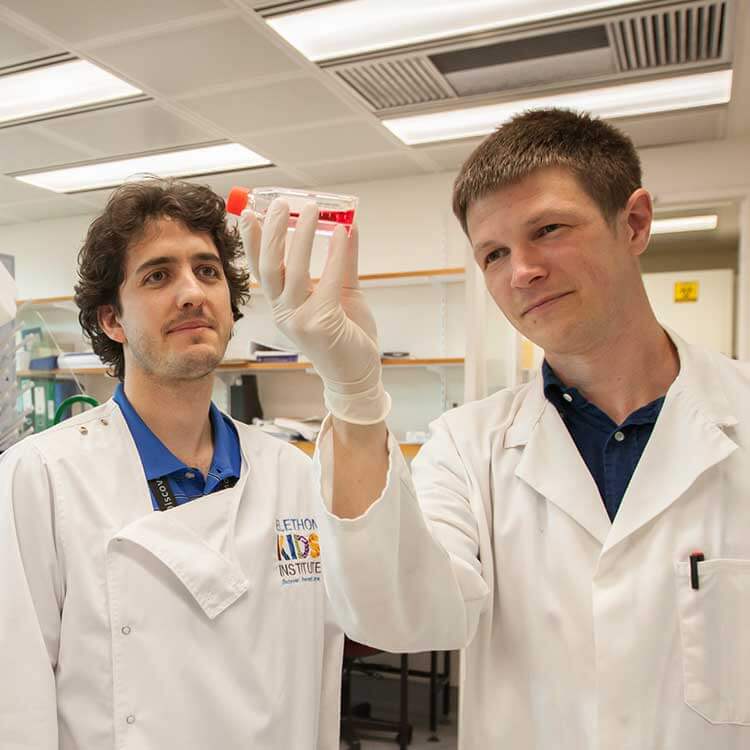
The Pregnancy and Early Life Immunology team's overall research vision is targeted towards understanding immunological development during early life.
Impetigo is a contagious skin disease caused by Staphylococcus aureus and Streptococcus pyogenes. Without treatment, impetigo may be recurrent, develop into severe disease, or have serious, life-threatening sequelae. Standard treatment consists of topical or systemic antibiotic therapy (depending on severity), however, due to antibiotic resistance some therapies are increasingly ineffective.
There is a growing need for early biomarkers that may predict the development of atopic dermatitis (AD). As alterations in skin barrier may be a primary event in disease pathogenesis, epithelial cell (EC) cytokines expression patterns may be a potential biomarker in early life to target allergy preventive strategies towards "at-risk" infants. The aim of this longitudinal investigation was to examine from birth over the course of infancy levels of the EC cytokines: thymic stromal lymphopoietin (TSLP), interleukin (IL)-33, IL-25, and IL-17 in infants at high-risk of AD due to maternal atopy.
The burden of cardiovascular diseases (CVDs) remains unclear in many regions of the world.
Study the innate immune function in ulcerative colitis patients who fail to respond to anti-tumor necrosis factor therapy
These results highlight how UNICORN can enable reliable, powerful, and convenient genetic association analyses without access to the individual-level data