

since the early 2000s. Participants have been studied during early childhood and mid-childhood, and are ... currently being recruited for their adole…
The experience of poverty early in the life course can have far-reaching impacts on ... success, well into adulthood. The timing of childhood poverty…
Early learning on the move: Play Active to boost kids’
Tele-dentistry can be useful to facilitate screening of children, especially those living in rural and remote communities, and during the COVID-19 pa…
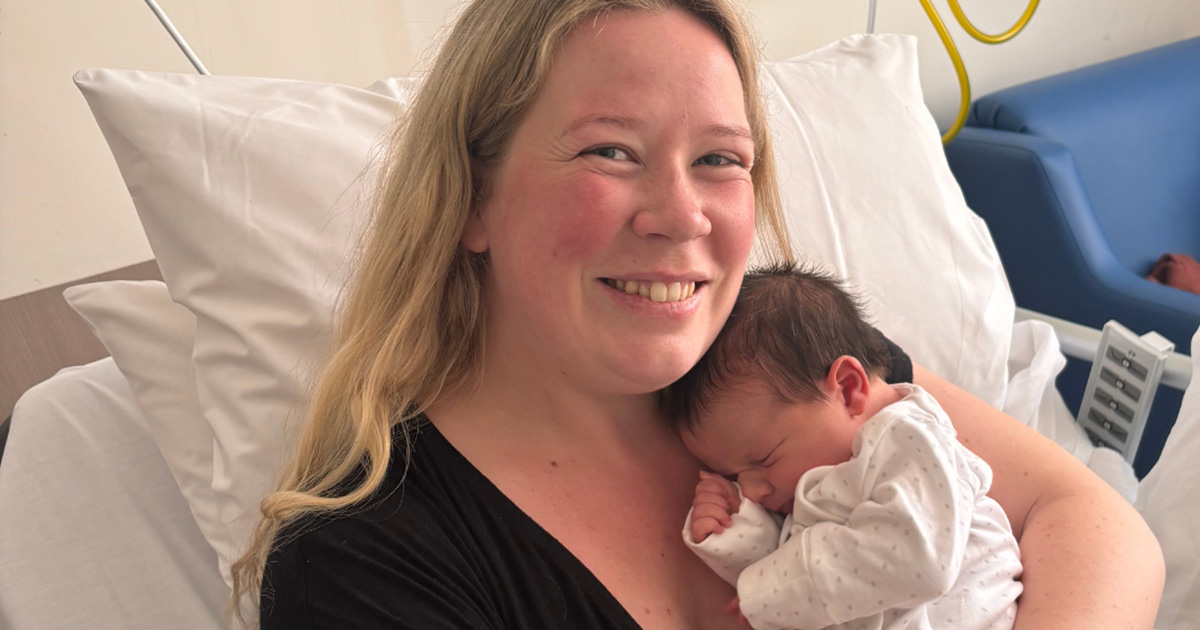
of children from their conception through to childhood, has welcomed its 10,000th and final participant ... Christian Hough was born at Joondalup Hea…
are dedicated to tackling the major causes of childhood disease, disability and disadvantage. Our research
When an infant is developmentally ready, a variety of nutritious foods should be introduced including the ‘more allergenic’ foods during infancy
Early childhood is a critical window for preventing obesity and chronic disease. Yet, 1 in 4 Australian children aged 5 years and under are affected…
Language development is one of the most important developmental accomplishments of early childhood and is the foundation for literacy, educational...
Early-life immune development is a critical factor in predicting the risk of childhood respiratory infections, asthma, and poor vaccine responses. Id…