
Search
Showing results for "early lung health"
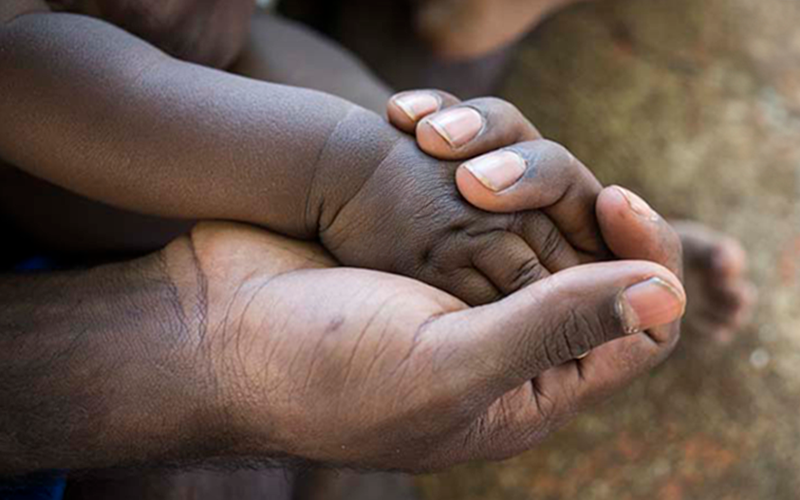
Experts are warning Aboriginal parents in Western Australia with newborn babies to be vigilant about Respiratory Syncytial Virus (RSV) as winter progresses.
The number of words children produce (expressive vocabulary) and understand (receptive vocabulary) changes rapidly during early development, partially due to genetic factors. Here, we performed a meta-genome-wide association study of vocabulary acquisition and investigated polygenic overlap with literacy, cognition, developmental phenotypes, and neurodevelopmental conditions, including attention-deficit/hyperactivity disorder.
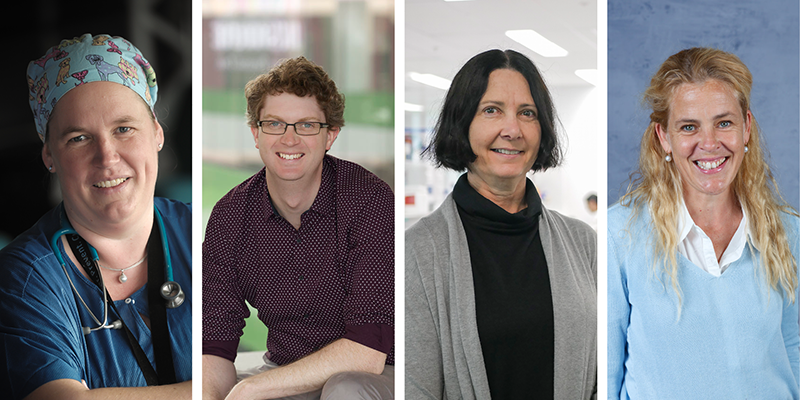
Research projects sharing in a $2.1 million funding boost will seek to translate research findings into changes that benefit patients and help the health system run more efficiently.
Approximately 13,000 children in Australia live with moderate to severe intellectual disability.
Features of the home-yard physical environment were positively associated with preschoolers’ outdoor play and physical activity
To evaluate the associations between complex hip surgery and subsequent hospitalizations in children with intellectual disability, including a subset of children with cerebral palsy.
We investigated parental observations to identify QOL domains in children with Down Syndrome and determined whether domains differed between children and teens.
This review discusses early brain development and the etiological factors that may give rise to atypical developmental trajectories, along with neuroimaging insights
The DETECT-Schools Study was launched in May 2020 as a partnership between the WA Government Departments of Education and Health with The Kids Research Institute Australia.
Deborah Lehmann AO, MBBS, MSc Honorary Emeritus Fellow Honorary Emeritus Fellow Clinical Associate Professor Deborah Lehmann is a medical