
Search
Showing results for "aboriginal respiratory"
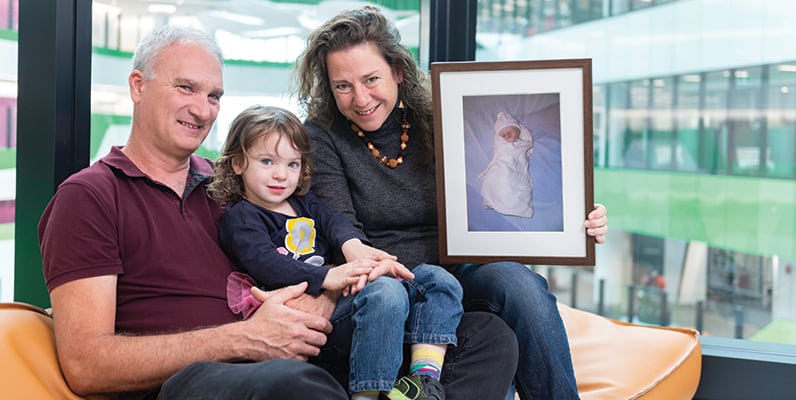
Telethon Kids Institute researchers believe a public education campaign, like the one SIDS, would help to reduce the number of babies who are stillborn.
The Kids Research Institute Australia is now part of an ambitious, yet achievable, global bid to produce such one-shot vaccines.
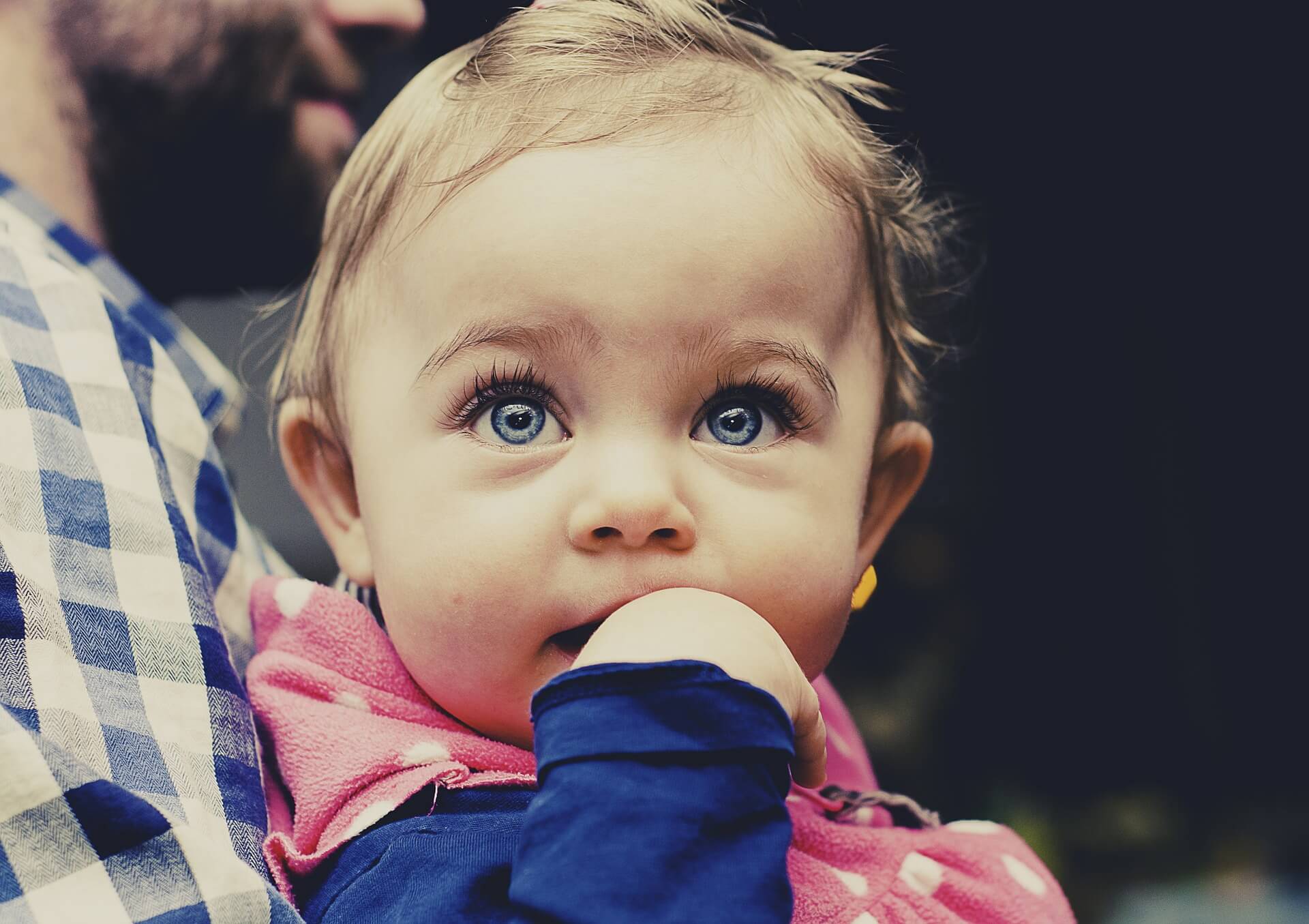
New research investigating the devastating impact of the 2017 flu season by PAEDS-FluCAN, a national collaboration observing influenza in children, confirmed it was time to take action after thousands of children were hospitalised with the virus last year.

As many as a quarter of Australian babies aren’t getting vaccinated on time, leaving them at risk of developing life-threatening illnesses such as whooping cough when they are most vulnerable.
Researchers working on the Developmental Pathways Project are determined to find out what makes families vulnerable to child abuse and neglect.
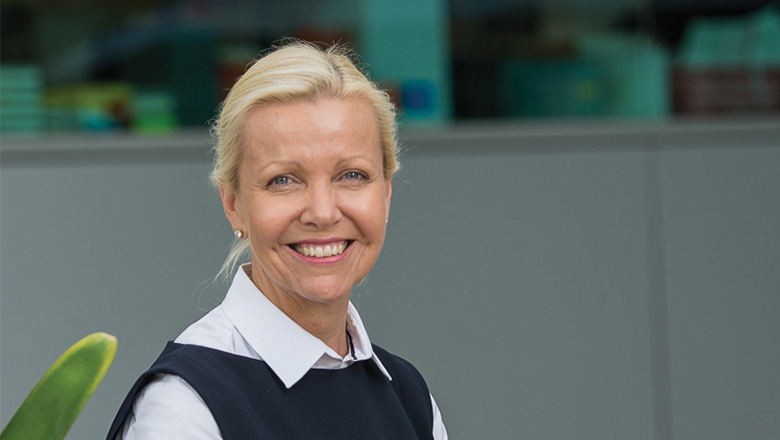
Leading child health researcher Professor Donna Cross has been appointed as Director of the new Early Childhood Development and Learning Collaboration, hosted b
A new study of child maltreatment over the last 20 years in developed countries has found no consistent decrease in rates despite a raft of policy initiatives.
Parental support is strongly correlated with protective factors for trans youth yet most experience parental rejection or ambivalence regarding their gender. Many parents report a desire to support their child but indicate lack of understanding and support as key barriers. We aimed to develop a nuanced understanding of the challenges and facilitators experienced by Australian parents in developing understanding, support and acceptance of their child’s gender and their needs to do so.
Parental support is strongly correlated with protective factors for trans youth, however, most experience unsupportive parental attitudes. We aimed to better understand how youth perceive parental reactions to their gender identity disclosure and what they consider to be barriers to, and facilitators of, support.
Language development is critical for children's life chances. Promoting parent-child interactions is suggested as one mechanism to support language development in the early years. However, limited evidence exists for a causal effect of parent-child interactions on children's language development.