
Search
Group A Streptococcus (GAS) is a major human pathogen responsible for superficial infections through to life-threatening invasive disease and the autoimmune sequelae acute rheumatic fever (ARF). Despite a significant global economic and health burden, there is no licensed vaccine available to prevent GAS disease. Several pre-clinical vaccines that target conserved GAS antigens are in development.
Vaccination to prevent infectious disease is one of the most successful public health interventions ever developed. And yet, variability in individual vaccine effectiveness suggests that a better mechanistic understanding of vaccine-induced immune responses could improve vaccine design and efficacy.
Transmissible vaccines have the potential to revolutionize how zoonotic pathogens are controlled within wildlife reservoirs. A key challenge that must be overcome is identifying viral vectors that can rapidly spread immunity through a reservoir population.
This study aimed to assess olfactory dysfunction in patients at six months after confirmed coronavirus disease 2019 infection. Coronavirus disease 2019 positive patients were assessed six months following diagnosis. Patient data were recoded as part of the adapted International Severe Acute Respiratory and Emerging Infection Consortium Protocol. Olfactory dysfunction was assessed using the University of Pennsylvania Smell Identification Test.

The Kids Research Institute Australia and The University of Western Australia are proud to announce the appointment of the inaugural Fiona Stanley Chair of Child Health Research, Professor Melissa Penny.
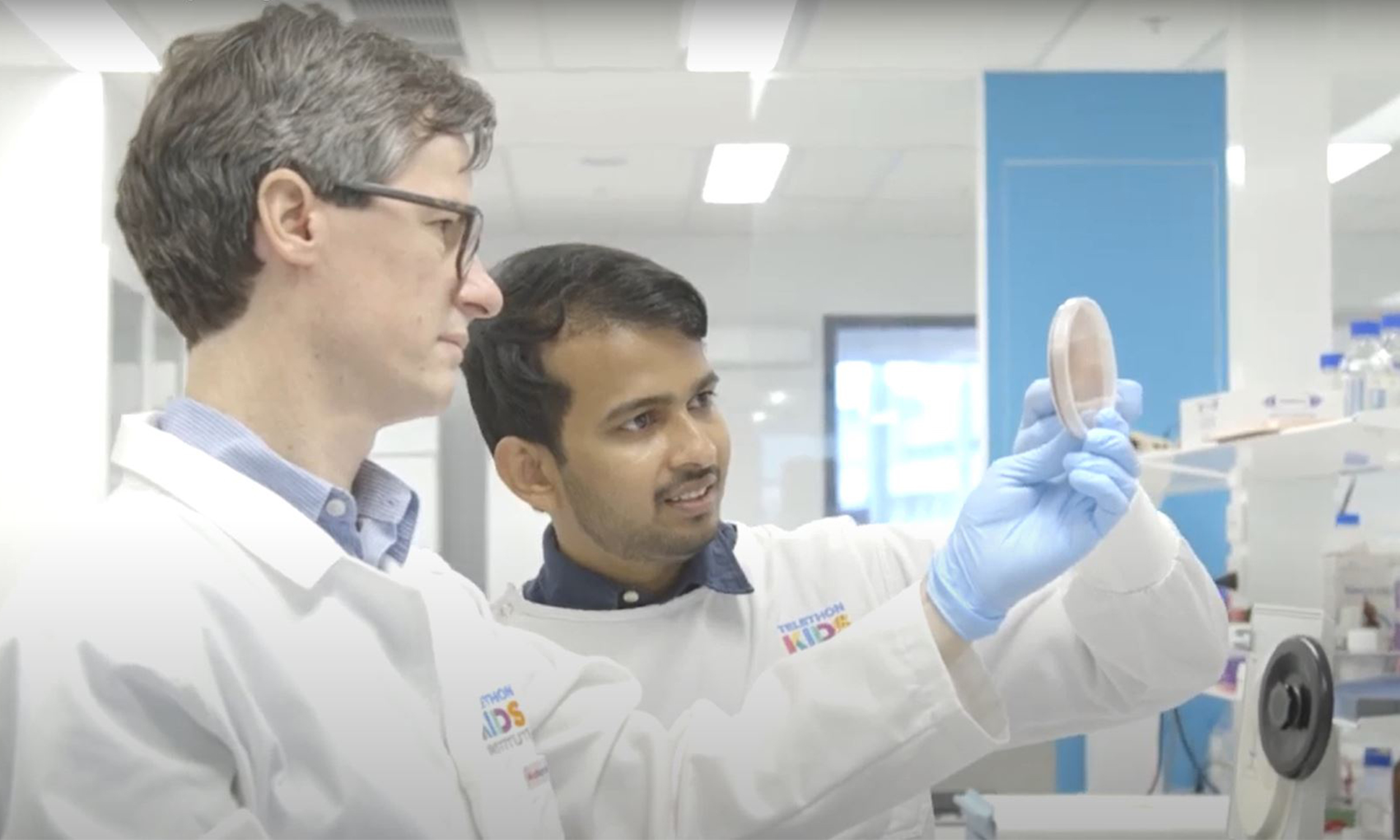
Australian researchers have uncovered a new form of antimicrobial resistance (AMR) – undetectable using traditional laboratory testing methods – in a discovery set to challenge existing efforts to monitor and tackle one of the world’s greatest health threats.

A global consortium of Group A Streptococcus (Strep A) researchers has launched a series of best practice surveillance protocols designed to unite international research efforts for a world-first Strep A vaccine.
The Kids Research Institute Australia, Perth Children’s Hospital (PCH) and the Peter Doherty Institute for Infection and Immunity (Doherty Institute) will spearhead the paediatric arm of a world-first global platform trial designed to uncover treatments for Staphylococcus aureus bloodstream infection.

Western Australian researchers advocate for a national newborn screening program for congenital CMV to prevent hearing loss and related disabilities in infants.

The Leducq Foundation has bolstered an Australian-led bid to develop a Strep A vaccine, committing USD4.3 million to fund critical scientific work.