
Search
Showing results for "mental health aboriginal"
Birth order effects have been linked to variability in intelligence, educational attainment and sexual orientation. First- and later-born children have been linked to an increased likelihood of an Autism Spectrum Disorder (ASD) diagnosis, with a smaller body of evidence implicating decreases in cognitive functioning with increased birth order.
Birth order effects have been linked to variability in intelligence, educational attainment and sexual orientation. First- and later-born children have been linked to an increased likelihood of an Autism Spectrum Disorder (ASD) diagnosis, with a smaller body of evidence implicating decreases in cognitive functioning with increased birth order. The present study investigated the potential association between birth order and ASD diagnostic phenotypes in a large and representative population sample.
Lung function trajectories are impaired in survivors of very preterm birth
The Siblings Project Gallery
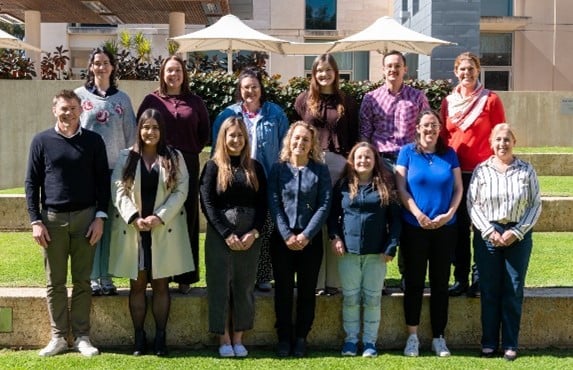
Community Involvement and Consumer Representatives are a really important part of our research. Find out what they have been working on.

The Rio Tinto Children’s Diabetes Centre; a JDRF Global Centre of Excellence announces $60,000 in new round of seed grants for researchers dedicated to type 1 diabetes. Three researchers from across Australia have received up to $20,000 to advance their research projects in type 1 diabetes (T1D).

While depression and anxiety can have similar signs and symptoms, they also have some distinct features.
The broad autism phenotype commonly refers to sub-clinical levels of autistic-like behaviour and cognition presented in biological relatives of autistic people. In a recent study, we reported findings suggesting that the broad autism phenotype may also be expressed in facial morphology, specifically increased facial masculinity.
Greater facial asymmetry has been consistently found in children with autism spectrum disorder (ASD) relative to children without ASD. There is substantial evidence that both facial structure and the recurrence of ASD diagnosis are highly heritable within a nuclear family. Furthermore, sub-clinical levels of autistic-like behavioural characteristics have also been reported in first-degree relatives of individuals with ASD, commonly known as the 'broad autism phenotype'.
There is increasing interest in the potential contribution of the gut microbiome to autism spectrum disorder (ASD). However, previous studies have been underpowered and have not been designed to address potential confounding factors in a comprehensive way.