
Search
Showing results for "early lung health"
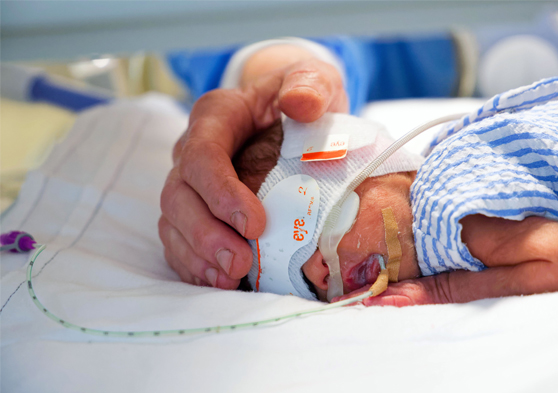
A sub-study is an ‘add-on’ study that helps to answer specific questions within a larger research project. If you decide to participate in the CIRCA DIEM study, you or your child may be invited to take part in one of the CIRCA DIEM sub-studies.
We recently ran a study to compare the traditional model of care with a family-friendly, slower-paced, home-based alternative.

One third of Australia’s children will be better supported at school, thanks to a The Kids Research Institute Australia evidence review of what works best to support student behaviour needs.
Find out more about Paediatric Occupational Therapy services at CliniKids.
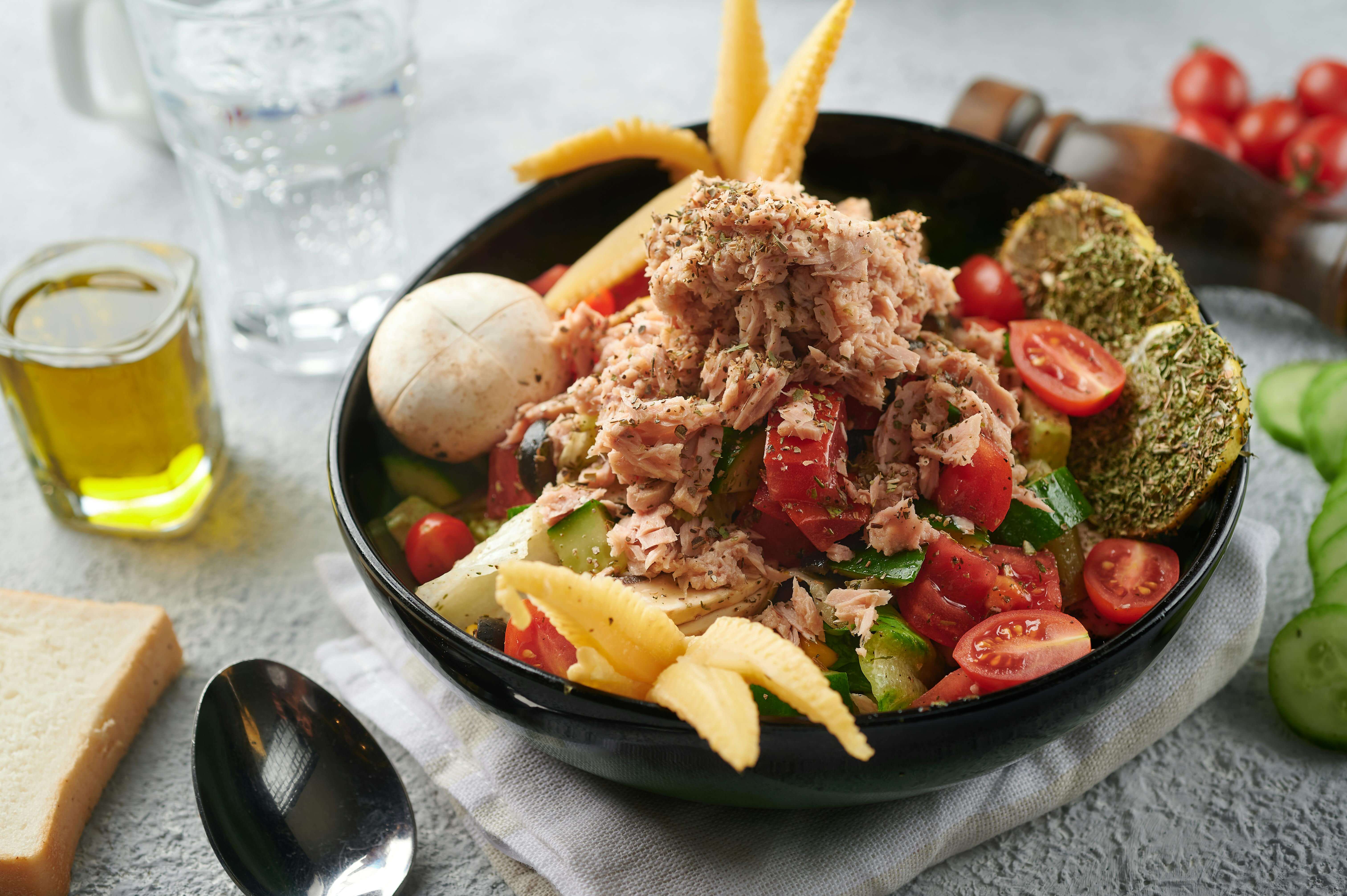
This study aims to examine how a Mediterranean diet and exercise in pregnancy impacts on neonatal body fat composition at birth and weight at one year of age.
The importance of supporting parent-child interactions has been noted in the context of prodromal autism, but little consideration has been given to the possible contributing role of parental characteristics, such as psychological distress. This cross-sectional study tested models in which parent-child interaction variables mediated relations between parent characteristics and child autistic behaviour in a sample of families whose infant demonstrated early signs of autism.
The aim of this study was to describe pubertal development in a population-based cohort of females with Rett syndrome.
Children with Developmental Coordination Disorder (DCD) often have difficulties running.
Whilst gastrostomy insertion was associated with lower survival rates than children without gastrostomy, survival improved with time
Gastrostomy was associated with health benefits including reduced all-cause and epilepsy hospitalizations, but was not protective against acute LRTI