
Search
Showing results for "mental health aboriginal"
Autism spectrum disorder (ASD) is a complex neurodevelopmental condition whose biological basis is yet to be elucidated. The Australian Autism Biobank (AAB) is an initiative of the Cooperative Research Centre for Living with Autism (Autism CRC) to establish an Australian resource of biospecimens, phenotypes and genomic data for research on autism.
Mothers of children with autism spectrum disorder or intellectual disability have higher rates of treatment episodes for psychiatric disorders
Dr Penelope Strauss will use a prestigious Post-Doctoral Fellowship from Suicide Prevention Australia to develop and trial a world-first intervention.
Have you ever wondered what impact the design of your backyard and the design of your neighbourhood is having on the health of your kids?
Findings from the world's largest study on language emergence have revealed that one in four late talking toddlers continue to have language problems at age 7
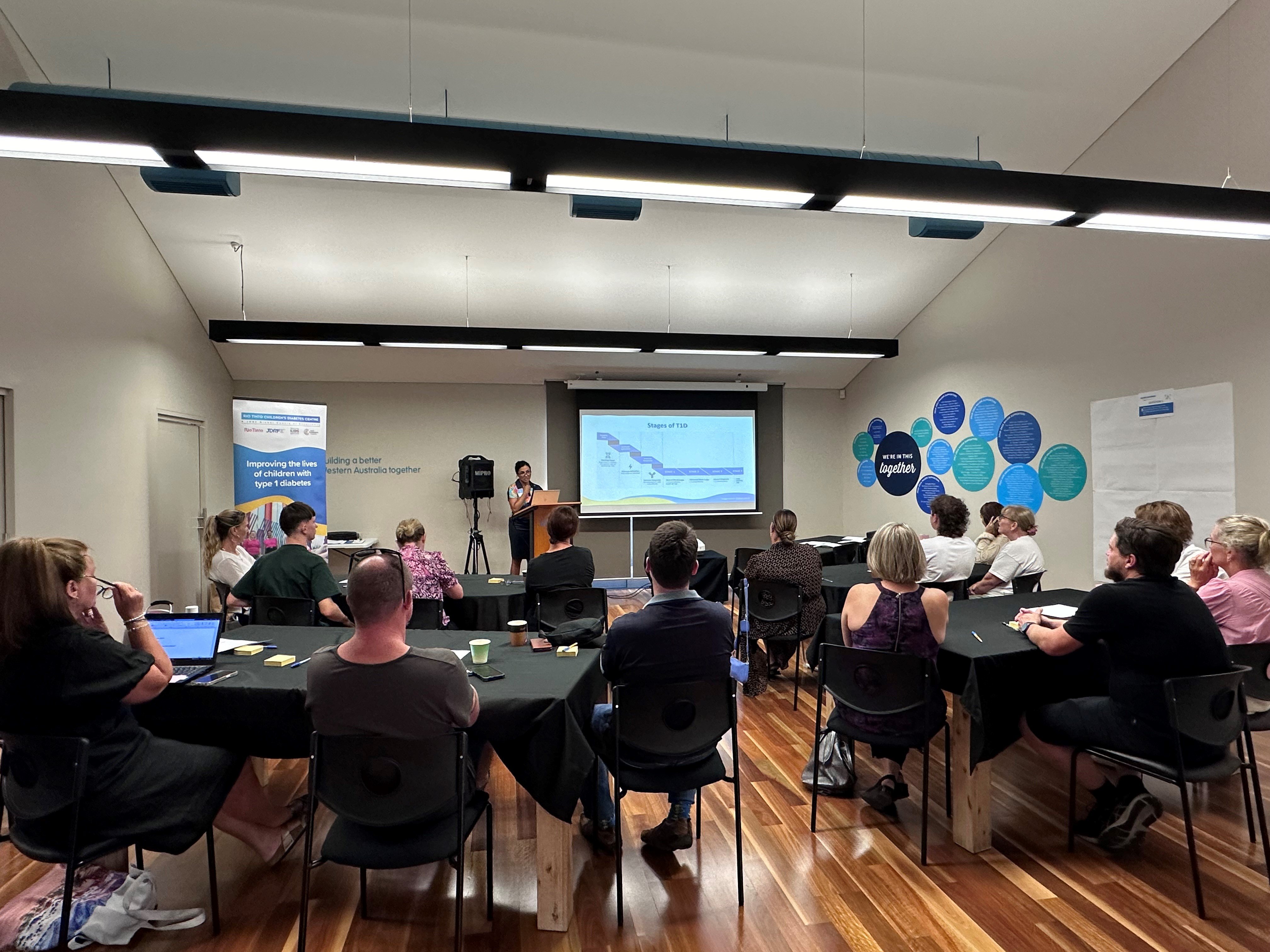
Find out how to participate in our research and community groups.
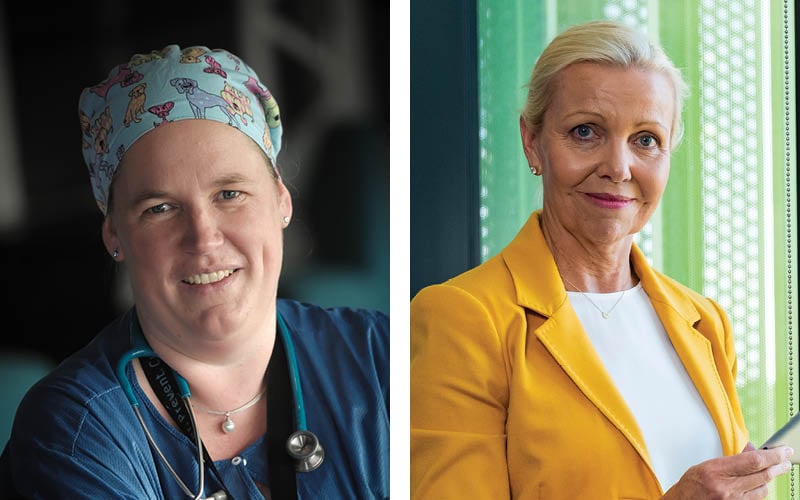
Congratulations to two of The Kids Research Institute Australia’s most respected female researchers – Professor Donna Cross and Professor Britta Regli-von Ungern-Sternberg – on being inducted into the Western Australian Women’s Hall of Fame.
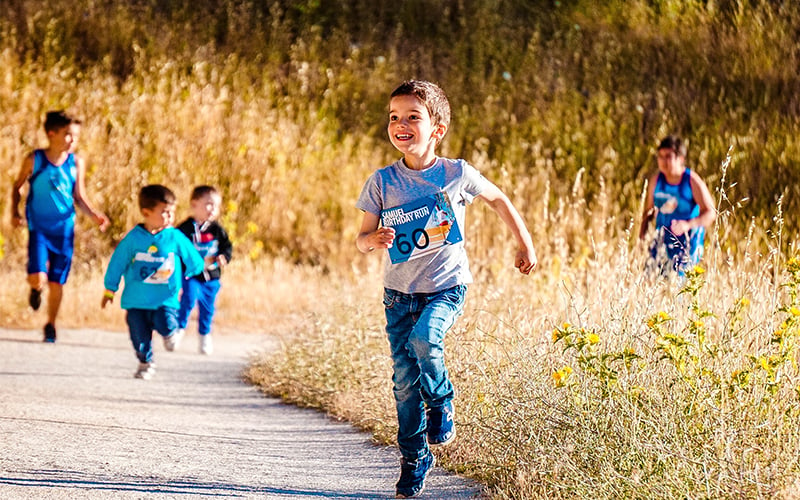
A The Kids Research Institute Australia study which looked at how Western Australian families coped with COVID-19 restrictions has shown many parents managed to find the silver lining in WA’s lockdown last year.
This work is the first step to develop safe treatments for pregnant mums to protect against preterm delivery and low birth weight caused by maternal infections.
Influenza and COVID-19 vaccine uptake among pregnant women is sub-optimal. We assessed the effectiveness of a multi-component behavioural nudge intervention to improve COVID-19 and influenza vaccine uptake among pregnant women.